Why Eye Health Starts in the Kitchen
Most people focus on skincare but forget that our eyes also age from within.
Blue-light exposure, stress, and nutrient-poor diets are quietly driving a rise in dry eyes, eye fatigue, and early vision decline (WHO, 2024).
The good news: you can protect your eyes naturally through daily nutrition.
“Your diet can literally shape the way you see the world.”
🌿 Here are eight science-backed foods that your eyes will thank you for — natural, simple, and proven by research.
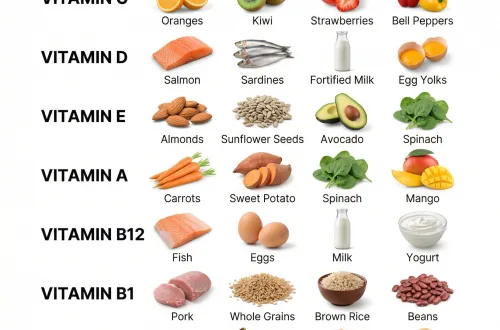
1. Salmon – The Omega-3 Protector

Why it matters:
Salmon is one of the most powerful sources of omega-3 fatty acids (DHA and EPA) — key nutrients for retinal structure, tear film stability, and anti-inflammatory balance.
A Harvard Health study (2016) found that individuals consuming omega-3–rich fish at least twice weekly had a 35% lower risk of developing dry-eye syndrome.
Nutritional highlights:
-
100g salmon = ~2.2g omega-3 (DHA + EPA)
-
High in vitamin D, which supports immune regulation for ocular tissue.
-
Contains B vitamins that improve microcirculation to the retina.
How to use it:
✅ Choose wild-caught or Alaskan salmon over farmed fish for cleaner fats.
✅ Bake, steam, or grill — avoid deep-frying.
✅ Combine with greens (like spinach or kale) for a synergy of omega-3 + lutein.
Mini takeaway:
“Two servings of salmon per week can do more for your eyes than any supplement shelf.”
2. Eggs – The Lutein & Zeaxanthin Booster

Why it matters:
Egg yolks are a powerhouse of lutein and zeaxanthin — natural carotenoids that act like internal sunglasses, filtering harmful blue light and reducing oxidative stress in the macula.
Science insight:
A 2020 Nutrients Journal review confirmed that dietary lutein enhances macular pigment optical density (MPOD), which correlates directly with sharper, more resilient vision.
Nutritional highlights:
-
2 eggs = ~250 µg lutein + zeaxanthin
-
Also contain vitamin A, choline, and selenium — key for night vision and brain-eye connection.
How to use it:
✅ Opt for pasture-raised or organic eggs for higher antioxidant levels.
✅ Pair with healthy fats (like avocado or olive oil) for better absorption.
✅ Avoid over-cooking yolks — soft-boiled or poached is best.
Mini takeaway:
“Bright yolks, bright eyes — lutein loves a little healthy fat.”
3. Sweet Potatoes – Nature’s Vitamin A Source

Why it matters:
The deep orange color of sweet potatoes signals beta-carotene, a precursor to vitamin A, which the body converts to retinol — essential for corneal integrity and low-light vision.
Science insight:
Vitamin A deficiency is the leading cause of preventable blindness in the developing world (WHO, 2023). Even mild insufficiency can trigger dry, irritated eyes and blurred night vision.
Nutritional highlights:
-
1 medium potato = >400% daily value of vitamin A
-
Rich in vitamin C and potassium, which aid eye micro-circulation.
How to use it:
✅ Bake or steam — boiling can leach beta-carotene.
✅ Add a drizzle of olive oil for better absorption (it’s fat-soluble).
✅ Combine with carrots or pumpkin for a carotenoid boost.
Mini takeaway:
“Color your plate orange, and your vision will thank you.”
4. Oranges – Vitamin C for Strong Capillaries

Why it matters:
Vitamin C supports collagen formation in the cornea and helps maintain strong capillary walls within the retina. It’s also a potent antioxidant, defending against UV and pollution-induced oxidative stress.
Science insight:
In the Blue Mountains Eye Study (Australia, 2019), participants with the highest vitamin C intake had a 33% lower risk of developing cataracts.
Nutritional highlights:
-
1 orange = 100% daily value of vitamin C
-
Also supplies bioflavonoids, which enhance antioxidant absorption.
How to use it:
✅ Eat whole fruit (not juice) to retain fiber and limit sugar spikes.
✅ Pair with almonds or walnuts for a balanced snack.
✅ Add orange zest to salads for extra flavonoids.
Mini takeaway:
“Vitamin C builds the tiny bridges that keep your vision clear.”
5. Spinach – Green Gold for Eye Protection

Why it matters:
Spinach is one of nature’s best sources of lutein and zeaxanthin, two pigments concentrated in the macula.
These compounds act as light filters, absorbing harmful wavelengths and preventing age-related macular degeneration (AMD).
Science insight:
A Harvard Nutrition Study found that people who ate leafy greens at least five times per week had up to 43% lower risk of AMD.
How to use it:
✅ Lightly steam or sauté — this breaks cell walls and boosts nutrient absorption.
✅ Add olive oil or nuts for healthy fats.
✅ Alternate with kale or collard greens for variety.
Mini takeaway:
“Your greens are your inner sunglasses — eat them daily.”
6. Chia Seeds – Tiny but Mighty for Hydration

Why it matters:
Chia seeds deliver plant-based omega-3s (ALA), zinc, and antioxidants that strengthen cell membranes and support moisture balance in ocular tissue.
Nutritional highlights:
-
1 Tbsp = ~5 g fiber + 2 g protein + 2 g omega-3s
-
Contains calcium and magnesium, aiding blood flow and nerve signaling for eye muscles.
How to use it:
✅ Soak overnight (to activate nutrients).
✅ Mix into smoothies, oatmeal, or yogurt bowls.
✅ Add a few lemon slices to aid iron absorption from plant foods.
Mini takeaway:
“Small seed, big impact — chia keeps your eyes calm and hydrated.”
7. Almonds – The Vitamin E Armor

Why it matters:
Vitamin E is your antioxidant shield, protecting retinal lipids from oxidative damage — one of the key drivers of age-related vision loss.
Science insight:
The Age-Related Eye Disease Study (AREDS, NIH, 2012) showed that vitamin E (along with C, beta-carotene, and zinc) significantly slowed AMD progression in high-risk individuals.
Nutritional highlights:
-
10–12 almonds = ~7 mg vitamin E (half daily requirement).
-
Also contain healthy monounsaturated fats for micro-circulation.
How to use it:
✅ Snack on raw or lightly roasted almonds (no salt, no sugar).
✅ Blend into smoothies or sprinkle over salads.
✅ Store in an airtight jar away from sunlight (vitamin E degrades with heat).
Mini takeaway:
“A handful of almonds a day keeps oxidative stress away.”
💧 8. Water – The Simplest Eye Care

Why it matters:
Hydration directly impacts the tear film, which protects the cornea and keeps the eye’s surface smooth.
Dehydration is one of the most common yet overlooked causes of dryness, fatigue, and blurred vision.
Nutritional highlights:
-
Water carries nutrients (vitamin A, E, C) to ocular tissues.
-
Supports detoxification and tear stability.
How to use it:
✅ Sip throughout the day — don’t wait until you’re thirsty.
✅ Add cucumber or lemon for trace electrolytes.
✅ Limit caffeine and alcohol, which dehydrate the eyes.
Mini takeaway:
“Hydration is your body’s easiest self-care habit — your eyes feel it first.”
🧠 FAQ: Eye Health & Nutrition
1. What vitamins are best for eye health?
A, C, E, B2, and B12 — plus lutein, zeaxanthin, zinc, and omega-3s.
2. Can food really improve eyesight?
Not refraction, but yes for protection — good nutrition slows degeneration.
3. How long until results?
3–4 weeks for dryness relief, 2–3 months for long-term resilience.
4. Are supplements needed?
Only if you lack access to fresh foods; follow AREDS2 formulas.
5. What foods harm eyes?
Refined sugar, trans fats, excess sodium, caffeine.
6. Does hydration help?
Absolutely — it supports tear film and nutrient transport.
7. Can aging eyes stay healthy?
Yes, with consistent antioxidant and omega-3 intake.
CONCLUSION
Your vision is one of the most valuable gifts — protect it daily with smart food choices.
💡 Small changes on your plate can create a big difference in how you see the world.