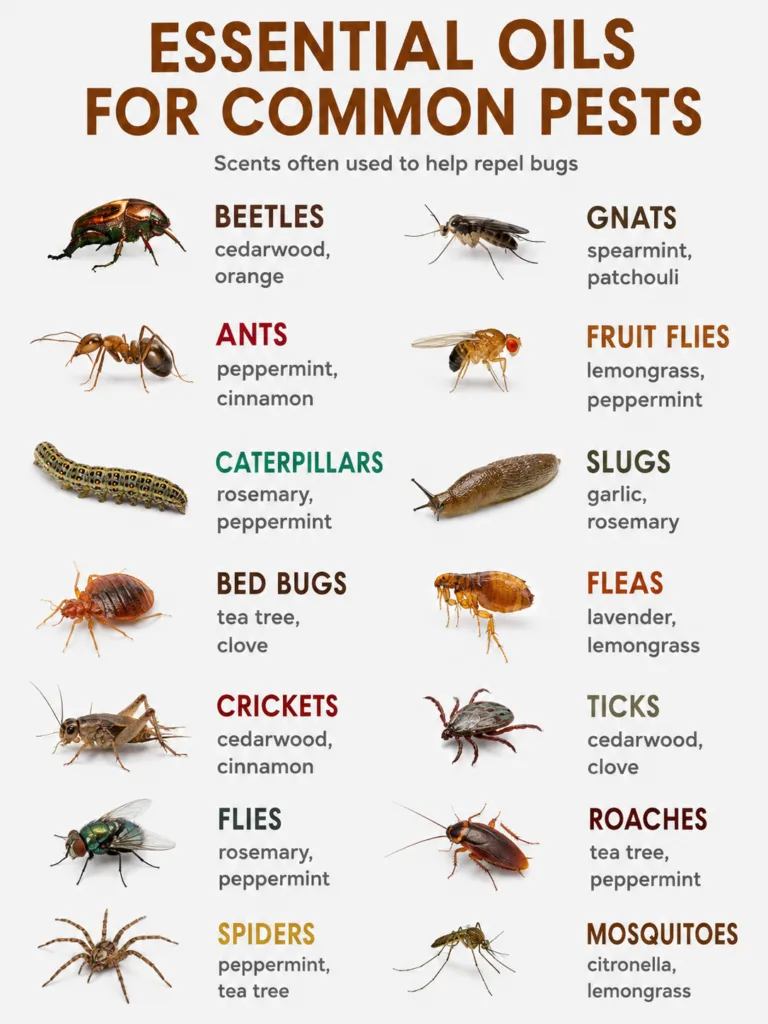
 Discover the power of essential oils for natural pest control in your home and garden.
There’s nothing quite as frustrating as stepping into your beautiful garden or finding your kitchen invaded by unwanted guests. Pests, whether they’re munching on your prized tomatoes or buzzing around your fruit bowl, can quickly dampen the joy of growing and living. While chemical solutions often come to mind, many gardeners and homeowners are seeking gentler, more eco-friendly approaches. What if you could harness the power of nature itself to deter these unwelcome visitors? This guide explores the incredible potential of essential oils as a natural defense, offering practical, chemical-free solutions for a healthier home and a thriving garden.
The Power of Essential Oils in Pest Management
Essential oils are concentrated plant extracts known for their potent aromas and therapeutic properties. But beyond aromatherapy, these powerful botanical compounds can also act as natural repellents for a wide range of pests. Many essential oils contain terpenes, phenols, and other compounds that pests find irritating, disorienting, or that simply mask the scents they use to find food sources or mates. When used correctly, essential oils can be a valuable tool in an integrated pest management strategy, reducing reliance on synthetic pesticides.
However, it’s crucial to remember that essential oils are highly concentrated and must always be diluted before use, especially when applying to plants, surfaces, or near pets and children. Proper application and safety precautions are key to their effective and responsible use.
Your Essential Oil Guide for Common Pests
Let’s dive into specific essential oils that can help deter some of the most common home and garden pests:
Beetles
Beetles, from Japanese beetles to cucumber beetles, can wreak havoc on garden foliage. Their strong sense of smell can be overwhelmed by certain aromatic oils.
- Suggested Oils: Peppermint, Rosemary, Thyme
- Practical Tip: Mix 10-15 drops of chosen oil(s) with 1 ounce of water and a few drops of dish soap (as an emulsifier) in a spray bottle. Lightly mist affected plant leaves, ensuring good coverage. Reapply after rain or every few days. Always test on a small, inconspicuous part of the plant first to ensure no adverse reaction.
Ants
Ants are often a nuisance indoors, marching in trails across countertops and floors in search of food. Essential oils can disrupt their scent trails.
- Suggested Oils: Peppermint, Citrus (lemon, orange), Tea Tree Oil
- Practical Tip: For indoor use, soak cotton balls in undiluted peppermint or citrus oil and place them near ant entry points, along trails, or directly into cracks and crevices. You can also create a spray (15-20 drops per 4 oz water) to clean countertops, wiping away existing trails and leaving a repelling scent.
Gnats
Fungus gnats are common houseplant pests, while biting gnats can be outdoor nuisances. Their small size makes them particularly annoying.
- Suggested Oils: Peppermint, Lemongrass, Citronella, Geranium
- Practical Tip: For houseplant gnats, add 5-10 drops of peppermint or lemongrass oil to a small spray bottle of water and mist the top layer of soil (avoid soaking plants) and surrounding air. For outdoor areas, a diffuser with citronella or lemongrass can help keep biting gnats away from seating areas.
Fruit Flies
Attracted to ripening fruits and fermenting organic matter, fruit flies are a common kitchen pest.
- Suggested Oils: Lemongrass, Peppermint, Lavender
- Practical Tip: Place a few drops of lemongrass or peppermint oil on a cotton ball near fruit bowls, trash cans, or other areas where fruit flies gather. You can also clean surfaces with an essential oil-infused spray (10-15 drops per 1 oz water).
Caterpillars
Leaf-eating caterpillars can quickly defoliate plants in your garden. Strong aromatic oils can make plants less appealing to them.
- Suggested Oils: Peppermint, Lavender, Spearmint
- Practical Tip: Create a diluted spray (10-15 drops per 1 oz water with dish soap) and lightly mist the foliage of affected plants. Reapply regularly, especially after rain. Monitor plants closely for effectiveness and reapply as needed.
Slugs
Slugs can devastate young plants and tender leaves overnight. Creating a scented barrier can deter them.
- Suggested Oils: Cedarwood, Pine
- Practical Tip: Mix 15-20 drops of cedarwood or pine oil with 1 tablespoon of rubbing alcohol and 1 cup of water. Spray this solution around the base of vulnerable plants, creating a fragrant repellent barrier on the soil. Avoid direct application to very young or sensitive plants without testing first.
Bed Bugs
These notoriously difficult pests require persistent and multifaceted control, but essential oils can be part of a broader strategy.
- Suggested Oils: Lavender, Eucalyptus, Tea Tree Oil, Peppermint, Lemongrass
- Practical Tip: Dilute oils (20 drops per 1 cup water) and lightly mist mattress seams, bed frames, cracks, and crevices. Be extremely cautious and always test on an inconspicuous area first. This is a deterrent, not a standalone solution for a bed bug infestation, which typically requires professional intervention.
Fleas
Fleas are a common problem for pet owners, infesting carpets and pet bedding. Certain essential oils can help repel them.
- Suggested Oils: Lavender, Lemongrass, Peppermint, Eucalyptus
- Practical Tip: For pet bedding and carpets, mix 20-30 drops of a chosen oil with 1 cup of baking soda. Sprinkle this mixture over carpets and pet bedding, let it sit for a few hours, then vacuum thoroughly. Always consult your veterinarian before using essential oils directly on or near pets, as some can be toxic.
Crickets
Crickets can be noisy and damaging to fabrics or plants. They often seek out dark, damp areas.
- Suggested Oils: Peppermint, Rosemary, Thyme
- Practical Tip: Place cotton balls soaked in peppermint oil in areas where crickets are present, such as basements, garages, or behind appliances. Reapply the oil to the cotton balls every few days to maintain the scent.
Ticks
Ticks pose a health risk, and repellents are crucial in outdoor settings.
- Suggested Oils: Eucalyptus, Lemongrass, Citronella, Tea Tree Oil
- Practical Tip: Create a body spray by diluting 5-10 drops of oil per 1 oz of a carrier oil (like jojoba or almond oil) or witch hazel. Apply to exposed skin and clothing before going outdoors. Always perform a patch test first. For yard perimeters, use a stronger diluted spray (20 drops per 1 cup water with dish soap).
Flies
Common house flies are annoying and can carry pathogens. Their dislike for strong scents makes essential oils a good deterrent.
- Suggested Oils: Lavender, Peppermint, Rosemary, Clove
- Practical Tip: Diffuse these oils indoors, especially near open windows or doors. You can also make a surface spray (15-20 drops per 4 oz water) for countertops and windowsills. Hang ribbons or strips of cloth soaked in oil near entry points.
Roaches
Cockroaches are resilient and often hide in dark, moist places. Strong scents can disrupt their habitat.
- Suggested Oils: Peppermint, Cedarwood, Eucalyptus, Tea Tree Oil
- Practical Tip: Place essential oil-soaked cotton balls or apply a diluted spray (20 drops per 1 cup water) into cracks, crevices, behind appliances, and under sinks where roaches are suspected to hide. Consistency is key for deterrence.
Spiders
While generally beneficial, spiders can be unwelcome indoors. They dislike certain strong aromas.
- Suggested Oils: Peppermint, Tea Tree Oil
- Practical Tip: Spray a diluted solution (15-20 drops per 4 oz water) into corners, around windows and doors, and in any dark areas where spiders are commonly found. Soaked cotton balls can also be placed in these areas.
Mosquitoes
Perhaps the most common outdoor nuisance, mosquitoes are repelled by several well-known essential oils.
- Suggested Oils: Citronella, Lemongrass, Lavender, Eucalyptus
- Practical Tip: For outdoor gatherings, diffuse these oils or light citronella candles. For a personal repellent, dilute 5-10 drops of oil in 1 oz of carrier oil or witch hazel and apply to exposed skin. Always reapply every few hours, especially if sweating or after swimming.
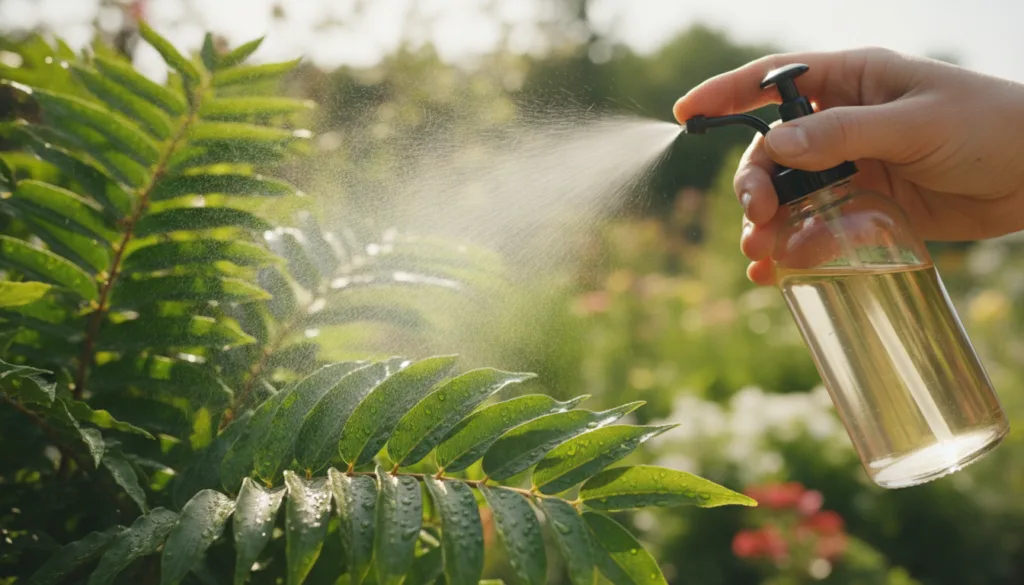 Creating your own essential oil sprays is a simple and effective way to apply natural pest repellents.
General Application Tips for Success
To maximize the effectiveness of essential oils while ensuring safety, keep these guidelines in mind:
- Dilution is Key: Never use essential oils undiluted, especially on skin or plants. A general guideline for sprays is 10-20 drops per 1 ounce (30 ml) of water. For skin application, dilute in a carrier oil like jojoba, almond, or coconut oil (typically 2-5 drops per teaspoon of carrier oil).
- Emulsify for Sprays: When mixing oils with water for sprays, add a few drops of unscented liquid dish soap or a dispersant to help the oil mix rather than floating on top.
- Reapply Regularly: Essential oils evaporate, so their repellent effect is not permanent. Reapply sprays and refresh cotton balls every few days, or after rain for outdoor applications.
- Patch Test: Before applying to a large area of skin or a sensitive plant, always perform a small patch test to check for adverse reactions.
- Consider Pets and Children: Be extremely cautious when using essential oils around pets and young children, as some oils can be toxic if ingested or absorbed. Always research pet-safe oils and consult a veterinarian.
- Integrated Pest Management: Essential oils are best used as part of a holistic approach to pest control. Combine them with good sanitation, proper plant care, companion planting, and physical barriers for the best results.
Common Mistakes to Avoid
Even with good intentions, mistakes can happen when using essential oils for pest control. Here’s what to watch out for:
- Using Undiluted Oils: This is the most common and potentially harmful mistake. Undiluted oils can cause skin irritation, plant burn, and can be toxic to pets.
- Expecting Miracles: Essential oils are repellents and deterrents, not instant exterminators. They help manage pest populations but may not eliminate severe infestations entirely.
- Ignoring the Source: If you’re constantly battling pests, an essential oil spray is a band-aid if you’re not addressing the underlying cause – be it poor sanitation, overgrown plants, or excessive moisture.
- Not Reapplying: The efficacy of essential oils diminishes as they evaporate. A single application won’t provide long-term protection.
- Improper Storage: Light and heat can degrade essential oils. Store them in dark glass bottles in a cool, dark place to maintain their potency.
Cultivate a Healthier Environment, Naturally
Embracing essential oils for pest management is a wonderful step towards creating a more sustainable and chemical-free environment in your home and garden. By understanding how these natural compounds work and applying them thoughtfully, you empower yourself with effective, aromatic tools to deter unwanted guests. Remember, gardening and home care are ongoing journeys of learning and adaptation. Start with small applications, observe the results, and enjoy the process of nurturing a thriving, naturally protected space. Your plants, your family, and the planet will thank you!