Essential Herb Trimming Tips for a Bountiful Garden
Welcome, fellow garden enthusiasts! If you’ve ever dreamt of a lush, fragrant herb garden bursting with flavor, then you’re in the right place. Trimming your herbs might seem counterintuitive – cutting away what you want to grow – but it’s one of the most vital steps to ensure a prolific and healthy harvest. Think of it as giving your plants a mini-haircut that encourages them to grow even more vibrant and flavorful!
Many gardeners, especially beginners, often wonder how to get their herbs to thrive. The secret often lies in understanding the art of trimming. This practice not only keeps your plants tidy but also stimulates new growth, prevents premature flowering (bolting), and concentrates those precious essential oils that give herbs their distinct taste and aroma.
Why Trimming Your Herbs is Crucial for Success
Before we dive into the ‘how-to,’ let’s understand the ‘why.’ Knowing the benefits will motivate you to grab those pruners with confidence!
- Encourages Bushier Growth: When you trim the top of an herb plant, you’re essentially telling it to send energy to its side shoots. This results in a fuller, bushier plant with more leaves, rather than a tall, spindly one.
- Prevents Bolting: ‘Bolting’ is when an herb plant prematurely flowers and goes to seed. While flowering can be beautiful, it often signals the end of the plant’s leafy production cycle, and the leaves can become bitter. Regular trimming delays bolting, extending your harvest.
- Boosts Flavor and Aroma: Trimming stimulates the production of essential oils in the leaves, which are responsible for the intense flavors and aromas we love. More trimmings often mean more potent herbs!
- Improves Air Circulation: Removing excess foliage, especially from the inner parts of the plant, improves air circulation. This can significantly reduce the risk of fungal diseases and pest infestations.
- Renews Older Plants: For perennial herbs, a good trim can rejuvenate older, woody growth, encouraging fresh, tender new shoots.
When to Trim Your Herbs
Timing is everything when it comes to trimming. Here’s a general guide:
- Young Plants: Start trimming your herbs when they are young and have established themselves, usually when they are 6-8 inches tall and have several sets of true leaves. Don’t be shy; even a small trim can make a big difference!
- Throughout the Growing Season: For most annual and perennial herbs, regular light trimming every 2-4 weeks throughout the growing season is ideal. Think of it as continuous harvesting.
- Before Flowering: If your goal is to harvest leaves for culinary use, try to trim regularly and prevent your herbs from flowering. If you see flower buds forming, snip them off immediately.
- Fall Pruning: For perennial herbs, a more substantial prune in late summer or early fall can help prepare them for winter dormancy.
Essential Trimming Tools
Having the right tools makes the job easier and prevents damage to your plants:
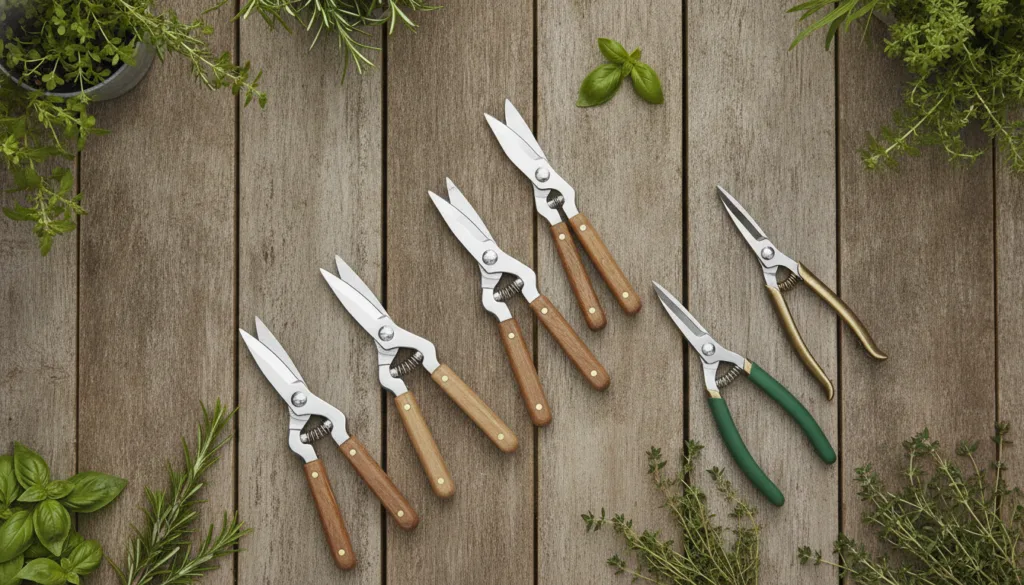
- Sharp Pruning Shears or Scissors: Essential for making clean cuts. Dull tools can crush stems, making them susceptible to disease.
- Herb Snips: Smaller, more delicate snips are perfect for precise trimming of individual stems or leaves.
- Cleanliness: Always ensure your tools are clean to prevent the spread of diseases between plants. You can wipe them with rubbing alcohol between uses.
How to Trim Different Types of Herbs
While the general principle is similar, some herbs have specific trimming needs:
Basil and Mint (Bushy Growers)
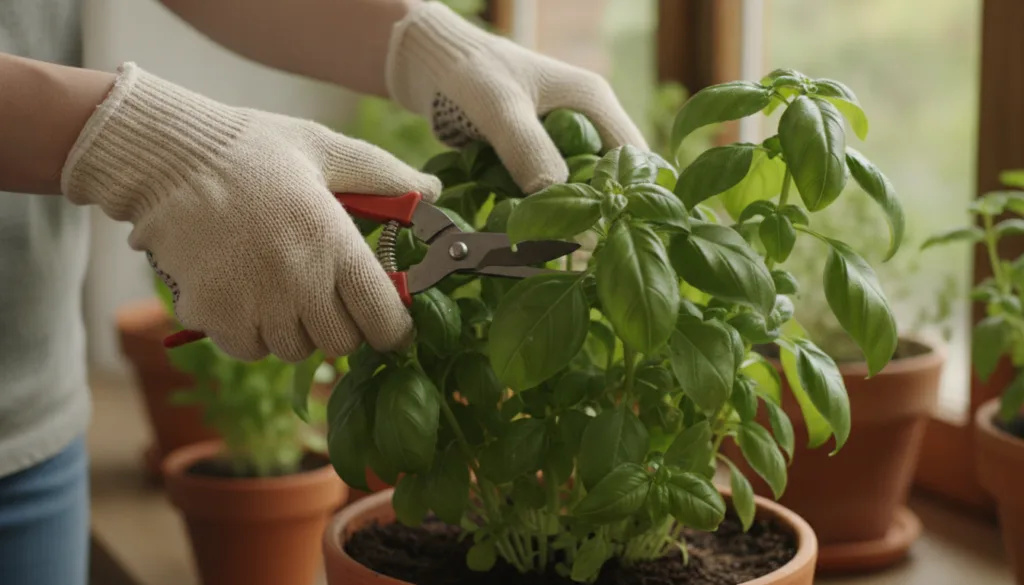
For herbs that grow opposing sets of leaves along a stem, like basil and mint, the goal is to encourage lateral branching.
- Locate a node (where leaves or branches emerge) on the stem.
- Using clean, sharp shears, cut just above a set of healthy leaves or new side shoots. Aim to leave at least two sets of leaves on the main stem.
- For basil, pinch off flower buds as soon as they appear to extend the harvest.
- For mint, you can be quite aggressive with trimming, especially if it’s spreading rapidly.
Rosemary, Thyme, and Sage (Woody Perennials)
These herbs tend to get woody over time. Regular trimming keeps them productive and prevents them from becoming leggy.
- Avoid cutting into the woody, leafless base, as new growth may not emerge from old wood.
- Trim stems back by about one-third, focusing on the green, leafy parts.
- Snip just above a set of leaves or a new side shoot.
- For rosemary, you can shape it into a small bush. For thyme and sage, regular harvesting is often enough to keep them bushy.
Parsley and Cilantro (Leafy Annuals)
These herbs are often harvested from the outside in.
- Cut the outer, mature leaves at the base of the plant, near the soil line.
- Leave the inner, younger leaves to continue growing.
- Harvest regularly to encourage new growth and prevent bolting.
- If cilantro bolts, let it go to seed to harvest coriander seeds!
Using Your Trimmed Herbs
Don’t let those fresh trimmings go to waste! Use them immediately in your cooking, make pesto, infused oils, or dry them for future use. Harvesting regularly means you’ll always have a fresh supply of herbs at your fingertips.
Happy Trimming, Happy Harvesting!
Trimming your herbs is more than just a chore; it’s an act of care that transforms your garden from good to magnificent. By following these simple tips, you’ll be well on your way to enjoying a bountiful harvest of fragrant and flavorful herbs all season long. So grab your pruners, head out to your garden, and start cultivating that abundant herb haven!
Do you have a favorite herb trimming tip? Share it with us in the comments below!