Oats are often seen as a healthy breakfast staple.
They’re warm, simple, and easy to prepare.
But many people notice the same pattern:
oatmeal alone doesn’t always keep you full for long.
That’s because fiber, on its own, isn’t enough.
Oats work best when paired with the right protein and fat sources.
This guide explains why oats need a protein partner and how to build a more balanced bowl using simple, familiar foods.
Protein Oats: Why Oatmeal Needs a Protein Partner
Oats are rich in beta-glucan, a type of soluble fiber known for slowing digestion.
Fiber helps — but without protein or fat, blood sugar may rise and fall more quickly.
That can lead to hunger returning sooner than expected.
This is why many nutrition habits now focus on pairing oats with protein anchors instead of eating them alone.
Best Protein Options to Add to Oats
Protein helps slow digestion and supports longer-lasting satiety.
When combined with oats, protein creates a steadier energy curve and a more satisfying meal.
That’s why adding even one protein source can change how your body responds to oatmeal.
Below are common protein and balance partners often paired with oats.
Greek Yogurt: A Simple Protein Anchor
Greek yogurt adds creaminess and a concentrated source of protein.
When mixed into oats or served on the side, it helps anchor the meal and slow digestion.
Many people find this combination keeps them full longer than oats alone.
Eggs: Satiety Support
Eggs provide complete protein and are often paired with oats in savory or mixed breakfasts.
Adding eggs alongside oats can boost satiety and help prevent mid-morning hunger.
Cottage Cheese: Slow-Digesting Protein
Cottage cheese is known for its slower digestion compared to other dairy options.
Paired with oats, it supports a more gradual release of energy and helps balance carbohydrate intake.
Milk: Balanced Macros
Milk adds both protein and fat, helping create a more balanced macronutrient profile.
Using milk instead of water can make oatmeal more filling and nutritionally complete.
Nut Butter: A Fat Brake
Nut butter adds healthy fats that slow digestion.
Even a small amount can help stabilize energy and reduce rapid blood sugar swings when eating oats.
Seeds: Digestion Support
Seeds contribute fiber and fat, both of which help slow digestion.
They’re often added to oatmeal for texture and longer-lasting fullness.
Fruits and Flavor Add-Ins
Some ingredients add flavor without disrupting balance when paired correctly.
-
Berries add light sweetness and volume
-
Banana offers quick energy when used in moderation
-
Cinnamon is often used for flavor and response control
-
Salt enhances appetite cues and taste
-
Honey adds sweetness when needed
These work best after protein and fat are present, not on their own.
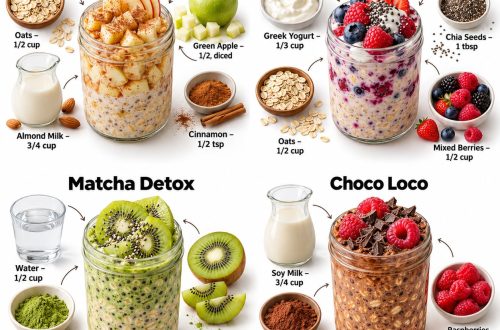
How to Build a More Balanced Oatmeal Bowl
A simple structure many people follow:
-
Start with oats
-
Add one protein partner (Greek yogurt, eggs, milk, or cottage cheese)
-
Include a fat source (nut butter or seeds)
-
Finish with fruit or spices for taste
This approach focuses on balance, not restriction.
Common Questions About Oats and Protein Pairing
Is oatmeal unhealthy on its own?
No. It simply works better when paired with protein and fat.
Do oats cause blood sugar spikes?
Responses vary. Pairing oats with protein and fat can help smooth the response.
What’s the best protein to add to oats?
There’s no single best option. Greek yogurt, eggs, milk, and cottage cheese are all commonly used.
A Slow Habit Approach to Breakfast
Oats don’t need to be avoided — they just need support.
When you pair fiber with protein and fat, breakfast becomes calmer, steadier, and more satisfying.
Small adjustments often matter more than changing foods completely.
This content is for general wellness and educational purposes only. Individual responses vary, and it is not intended as medical advice.