If you’re reading this, chances are you’ve already tried doing “the right thing.”
You eat oats instead of pastries.
You add chia seeds, yogurt, vegetables.
You avoid junk food.
Yet your stomach still feels tight, heavy, or swollen — sometimes even worse than before.
That’s why so many people quietly search things like “why am I still bloated after eating healthy” or “foods that help digestion but cause bloating.”
Here’s the part most articles skip:
👉 Digestion isn’t just about food quality. It’s about digestive capacity.
The Hidden Problem: Your Gut Can Be Overworked, Not Underfed
Most “digestive foods” work by:
-
adding fiber
-
feeding gut bacteria
-
slowing digestion
That’s great only if your digestive system can handle it.
When digestion is already slow, inflamed, or stressed, adding more fiber is like adding traffic to a busy road.
That’s when people start wondering:
-
Do I need digestive enzymes?
-
Why does fiber make me bloated?
-
Is my gut bacteria out of balance?
Oats & Chia Seeds: When Fiber Becomes a Burden
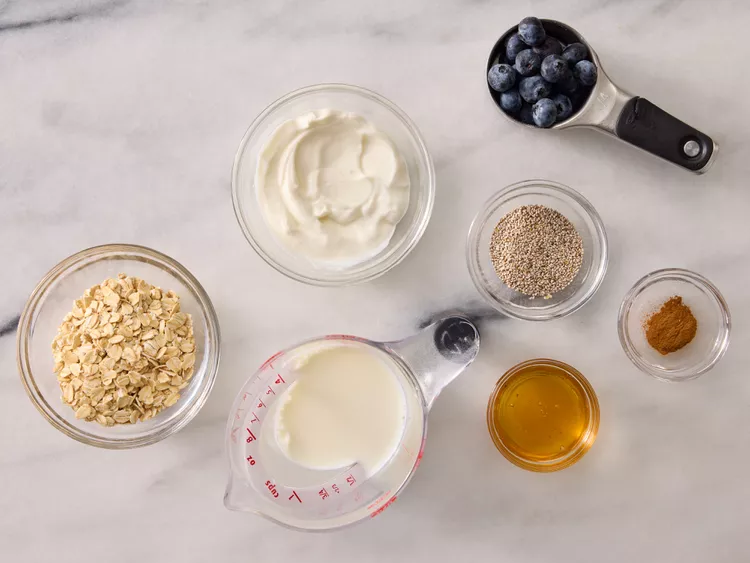
Oats and chia seeds are praised for gut health — but both absorb water and swell.
For someone with low stomach acid or slow gut motility:
-
food sits longer
-
fermentation increases
-
gas builds up
This explains why searches like “oats bloating stomach” or “chia seeds cause bloating” are so common.
👉 At this point, many people naturally start looking into digestive enzyme supplements — not because food is bad, but because digestion needs support.
Yogurt & “Good Bacteria”: Too Much, Too Fast
Probiotics are helpful — until they aren’t.
If your gut is sensitive or inflamed:
-
adding more bacteria can increase gas
-
lactose can irritate digestion
-
symptoms worsen before they improve
That’s why people jump from yogurt to searching “best probiotics for digestion” or “probiotics vs digestive enzymes.”
They’re not confused — they’re reacting to feedback from their body.
Raw Vegetables & Smoothies: Healthy, But Demanding
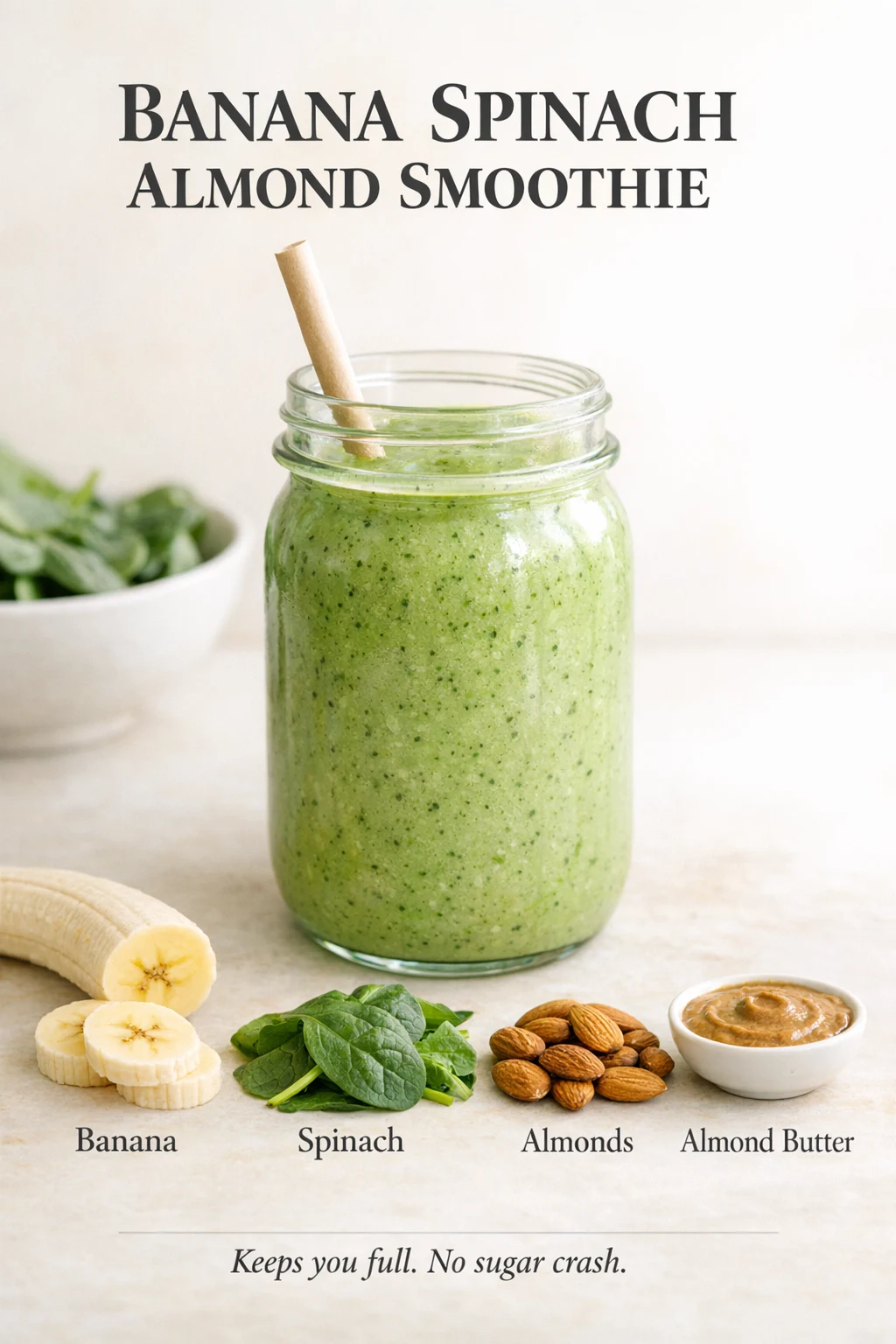
Raw vegetables and smoothies require:
-
strong stomach acid
-
efficient enzyme release
-
good gut motility
Without that, digestion struggles — leading people to search “why do smoothies make me bloated” or “foods to reduce gas and bloating.”
At this stage, many realize that how food is prepared matters just as much as what it is.
Why Many People Eventually Look Beyond Food Alone
When someone has already cleaned up their diet and still feels bloated, it’s natural to explore:
-
digestive enzymes
-
gut health supplements
-
products for bloating relief
Not as shortcuts — but as tools to restore digestive function, so healthy food can actually do its job.
Food is fuel.
Digestion is the engine.
If the engine is weak, even premium fuel won’t run smoothly.
What This Means for You
If “digestive foods” keep making you bloated:
-
it doesn’t mean you’re eating wrong
-
it means your gut may need support, not restriction
For many people, relief comes from:
-
smaller portions
-
better preparation
-
supporting digestion so fiber doesn’t overload the system
That’s when bloating finally starts to ease — not because food changed, but because digestion caught up.
Sources
-
Harvard Health – Fiber, fermentation, and bloating
-
Cleveland Clinic – Digestive enzymes and gut function
-
Mayo Clinic – Functional bloating and digestive sensitivity