Eating oats at night sounds healthy, but many people notice the opposite: bloating, heaviness, or poor sleep.
The truth is, oats at night can support weight loss or disrupt digestion — depending on how, when, and how much you eat.
This is why searches like “is it bad to eat oats at night”, “oats at night bloating”, and “can oats cause gas” keep trending.
Below is how to eat oats at night the right way, based on digestion science — not guesswork.
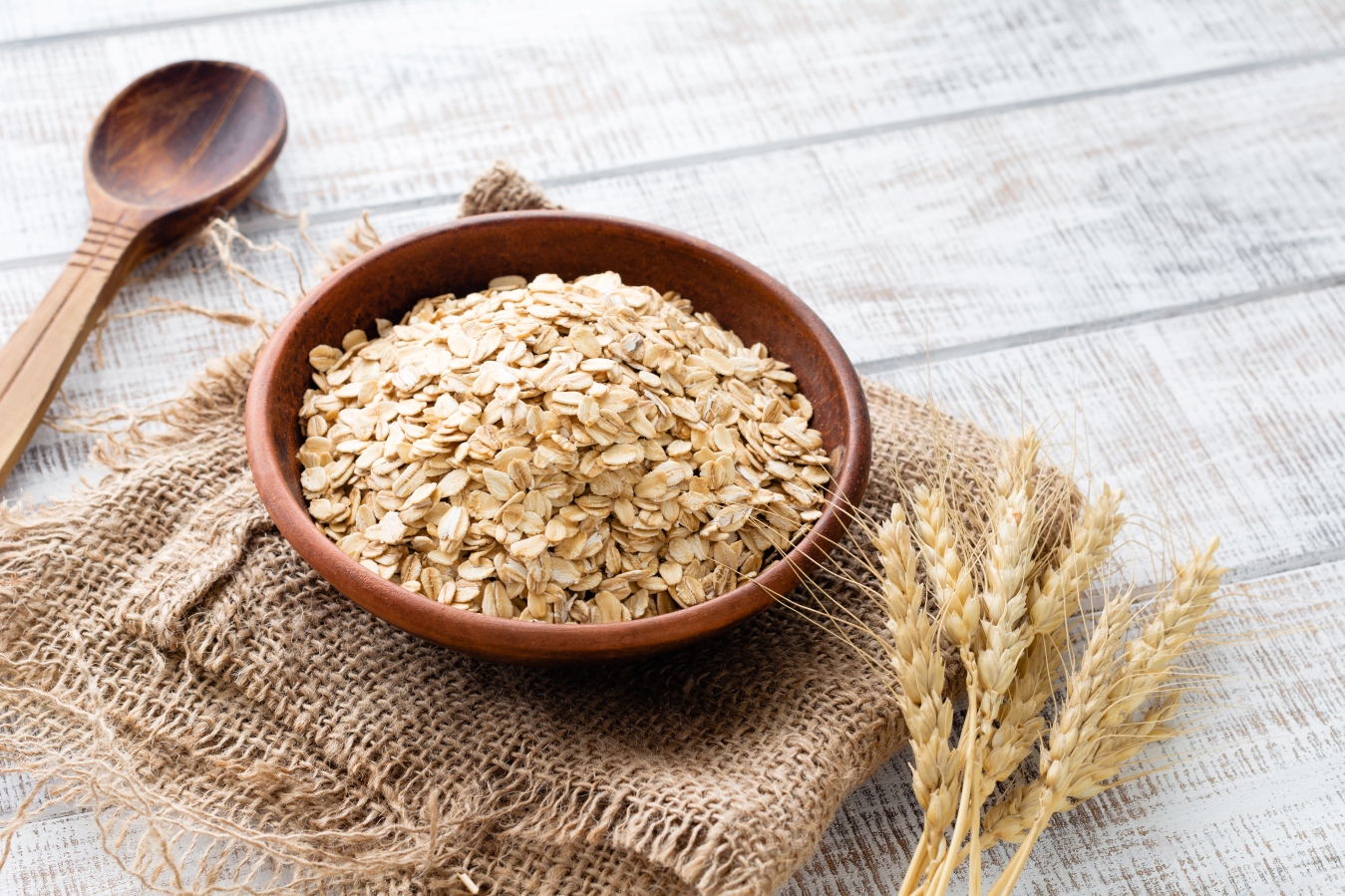
When Eating Oats at Night Actually Helps
1. Early evening (6–7:30 PM)
Eating oats too late is a common reason people search for oats cause bloating at night.
Your digestion naturally slows after sunset, so oats work best 2–3 hours before sleep.
✔ Supports steady blood sugar
✔ Prevents late-night cravings
✔ Helps weight control without sleep disruption
2. Small portions only
Large bowls are the fastest way to turn oats into a “heavy food.”
Ideal portion:
-
30–40g dry oats (about ⅓ cup)
This aligns with recommendations often mentioned in portion control for weight loss and low-calorie night snacks.
3. Add protein to slow fermentation
Plain oats ferment quickly in the gut, which explains why many people search “why do oats make me bloated”.
Add one of these:
-
Greek yogurt
-
Protein powder
-
Eggs or cottage cheese
Protein helps slow digestion and reduce gas production, a common tip in gut health and digestive enzyme discussions.

When Oats at Night Cause Bloating
1. Too much fiber, too fast
Oats are high in soluble fiber (beta-glucan).
At night, this fiber can ferment before digestion finishes — leading to gas, pressure, and bloating.
This is especially common in people researching:
-
digestive issues at night
-
fiber causing bloating
-
sensitive gut foods
2. Added sugar or sweet toppings
Honey, dates, syrups, or dried fruit feed gut bacteria rapidly.
If you notice bloating, this is often why people look into:
-
low FODMAP diets
-
foods that ferment in the gut
3. Eating oats too close to bedtime
Eating oats after 9 PM increases the chance of:
-
Incomplete digestion
-
Gut fermentation
-
Poor sleep quality
This explains why oats are sometimes linked with nighttime bloating and sleep-related digestion issues.
Best Way to Eat Oats at Night (Digestive-Friendly Formula)
Base
-
Rolled or steel-cut oats (not instant)
Portion
-
⅓ cup dry oats
Protein
-
Greek yogurt, protein powder, or eggs
Calming toppings
-
Blueberries
-
Almonds
-
Chia seeds (small amount, soaked)
Avoid
-
Added sugar
-
Large portions
-
Eating right before bed
This approach mirrors advice often paired with digestive supplements, fiber balance, and gut health support products.
Who Should Be Extra Careful
You may want to limit or modify oats at night if you:
-
Experience frequent bloating or gas
-
Have IBS or sensitive digestion
-
Are researching digestive enzyme supplements or gut repair diets
In these cases, some people find better results by combining oats with digestive enzymes or probiotic support, especially during diet changes.
Final Thought
Oats aren’t “bad” at night — but timing, portion, and pairing decide whether they help weight loss or cause bloating.
If oats feel heavy, it’s not your fault — it’s digestion timing.
Sometimes, eating healthy isn’t about what you eat — but how your body processes it.
Sources
-
Harvard Health – Oats, fiber & digestion
https://www.hsph.harvard.edu/nutritionsource/food-features/oats/
-
Cleveland Clinic – Fiber, bloating & digestion timing
https://health.clevelandclinic.org/why-does-fiber-cause-bloating/
-
Mayo Clinic – Fiber intake, portion size & gut health
https://www.mayoclinic.org/healthy-lifestyle/nutrition-and-healthy-eating/in-depth/fiber/art-20043983