If you’ve ever searched for superfoods you can grow at home, plants richer than meat, or natural omega-3 vegetables, chances are purslane quietly appeared—then got ignored.
That’s a mistake.
Purslane (rau sam) is one of the most nutrient-dense edible plants on earth, yet many people still think of it as a weed. In reality, purslane offers benefits that rival—and in some ways outperform—meat, especially for gut health, inflammation, and muscle recovery.
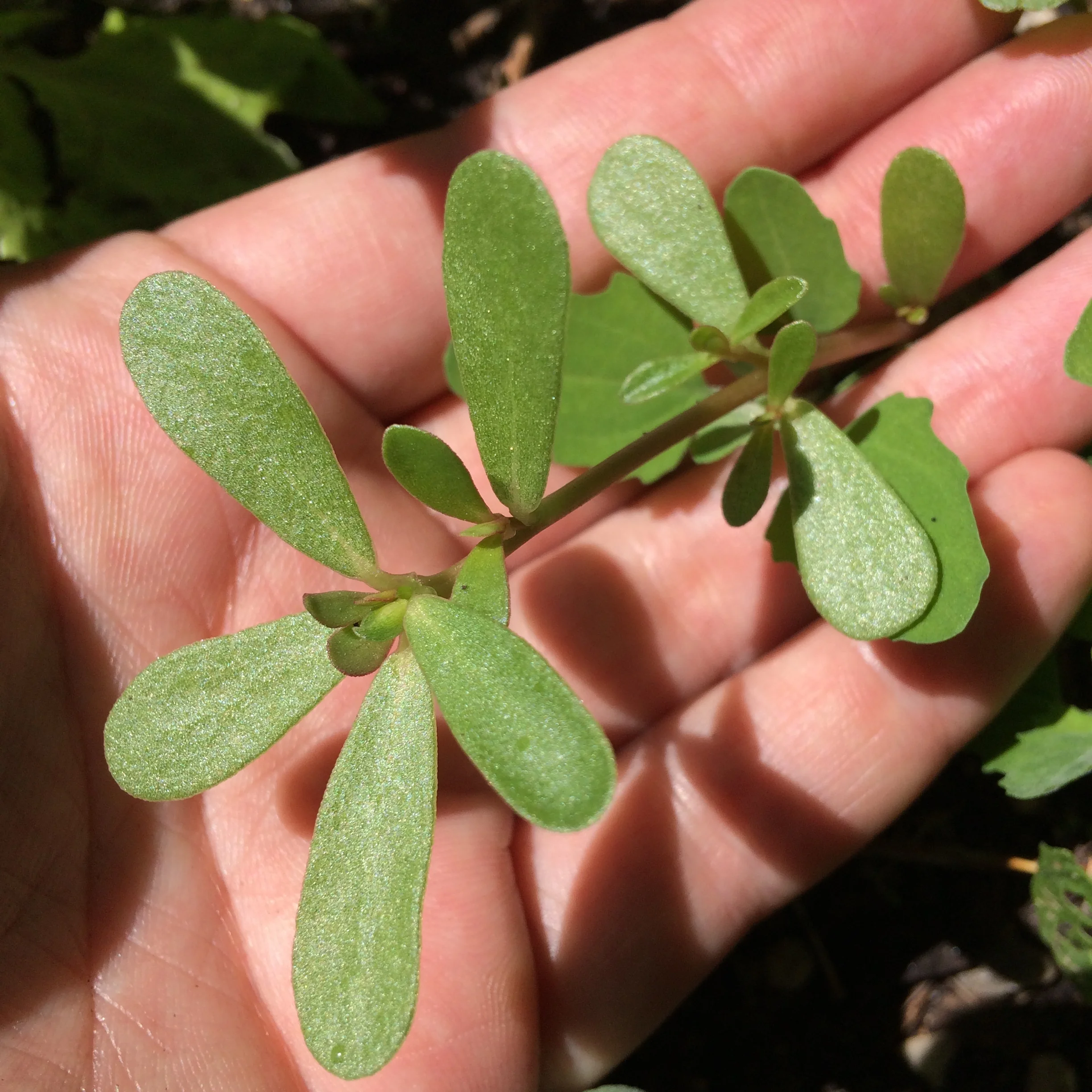
What Is Purslane ?
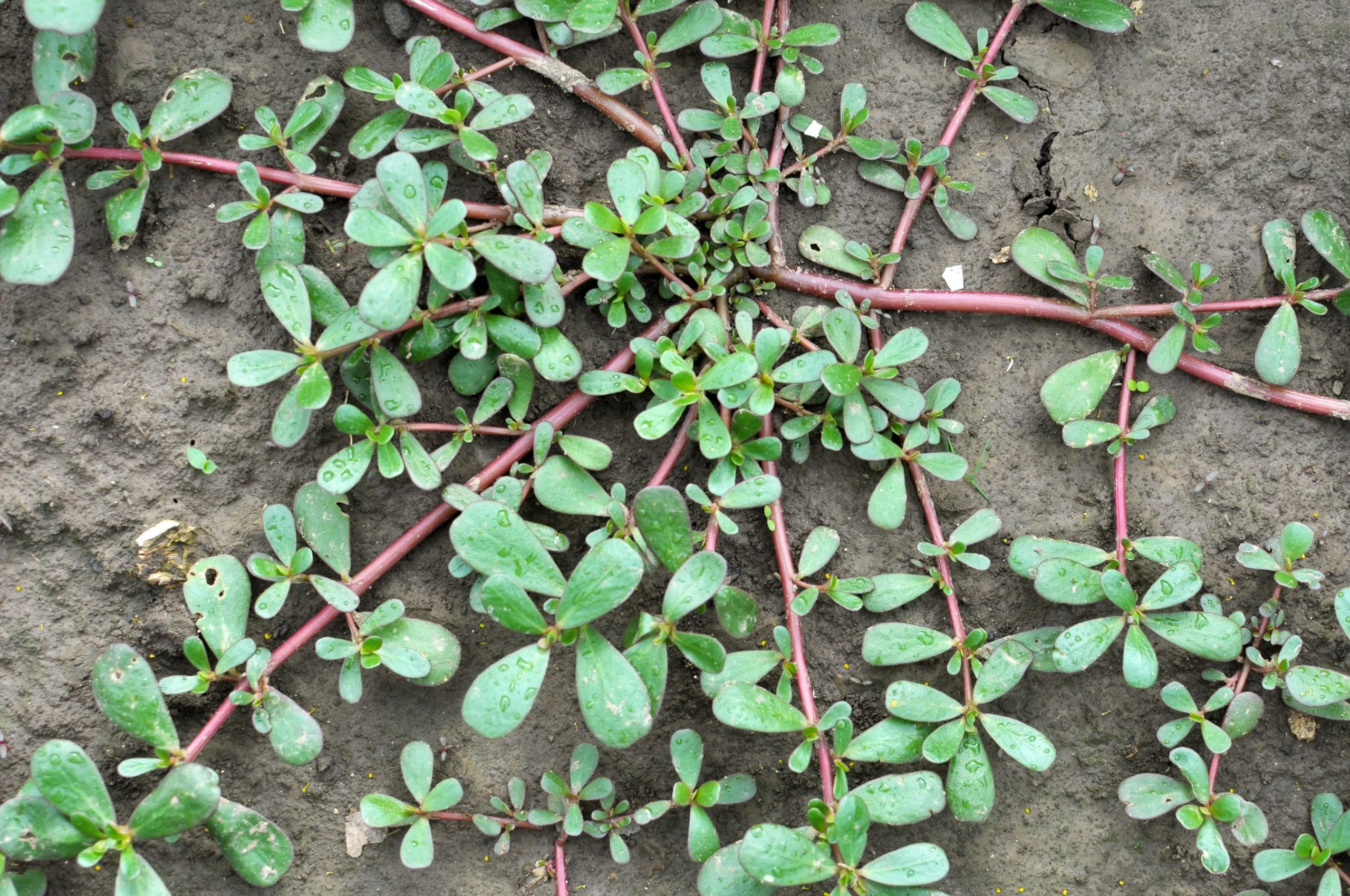
Purslane is a succulent leafy green with a slightly tangy, lemony taste. It grows easily in warm climates, requires almost no care, and has been used in traditional medicine across Asia, the Mediterranean, and the Middle East.
People researching edible wild plants, anti-inflammatory greens, or plant-based omega-3 sources often rediscover purslane for this reason.
7 Surprising Purslane Benefits Most People Don’t Know
1. Richer in Omega-3 Than Most Vegetables
Purslane contains more alpha-linolenic acid (ALA) than spinach or kale, making it popular among people searching for plant-based omega-3 foods.
This supports:
-
Heart health
-
Brain function
-
Joint comfort
2. Supports Muscle Recovery (Without Meat)
Despite being a plant, purslane provides magnesium, potassium, and amino acids that support muscle function.
This explains why it appears in searches like natural muscle recovery foods and vegetables for athletes.
3. Naturally Anti-Inflammatory
Purslane is rich in antioxidants like betalains and vitamin E, which help calm low-grade inflammation—often linked to bloating, joint stiffness, and fatigue.
4. Helps Gut Health and Digestion
Its mucilaginous texture supports the gut lining, making it useful for people searching foods that soothe digestion or natural gut healing plants.
5. Supports Blood Sugar Balance
Purslane has been studied for its role in glucose regulation, which connects it to searches like foods that lower blood sugar naturally.
6. High in Iron (Plant-Based)
Combined with vitamin C, purslane supports iron absorption—important for people exploring iron-rich vegetables or plant-based nutrition.
7. Easy to Grow, Hard to Kill
Purslane thrives in poor soil, heat, and drought. This makes it ideal for anyone interested in homegrown superfoods or low-maintenance edible plants.
How People Use Purslane Daily
-
Fresh in salads
-
Lightly sautéed with garlic
-
Blended into green juice or smoothies
-
Added to soups or omelets
Some people even look into purslane supplements when fresh access is limited—but whole plant use remains the most traditional.
Why People Compare Purslane to Meat
Meat is often associated with protein and strength.
Purslane challenges that idea by offering:
-
Omega-3 fats
-
Muscle-supporting minerals
-
Anti-inflammatory compounds
That’s why searches like plants better than meat and vegetables with protein benefits often lead here.
Final Thought
Purslane isn’t trendy. It doesn’t need marketing.
It survives, nourishes, and heals quietly—exactly why cultures kept it close for centuries.
If you’re serious about growing food that actually supports your body, purslane deserves a place in your garden and your diet.
Sources
-
Healthline – Purslane nutrition & benefits
https://www.healthline.com/nutrition/purslane
-
Medical News Today – Omega-3 plant sources
https://www.medicalnewstoday.com/articles/omega-3-foods
-
National Institutes of Health – Anti-inflammatory plant compounds
https://www.ncbi.nlm.nih.gov/pmc/