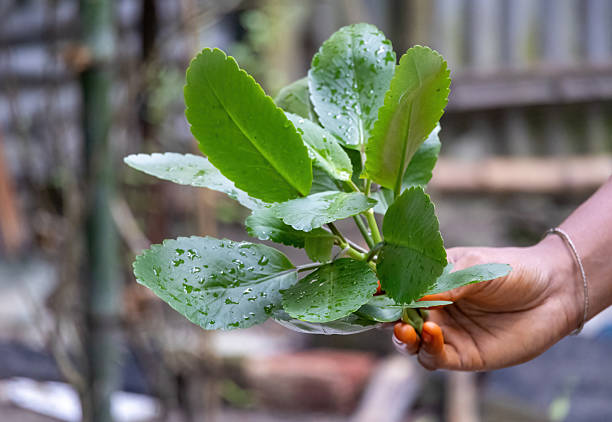
Many people walk past this thick-leaf backyard plant every day without realizing it has been used for generations in folk wellness routines. Known as miracle leaf, this plant is commonly brewed as a light herbal tea for joint stiffness, back discomfort, and body heaviness, especially among older adults.
Unlike strong herbal remedies, miracle leaf tea is traditionally used gently and consistently — not as a quick fix.
What Is Miracle Leaf and Why Do People Use It?
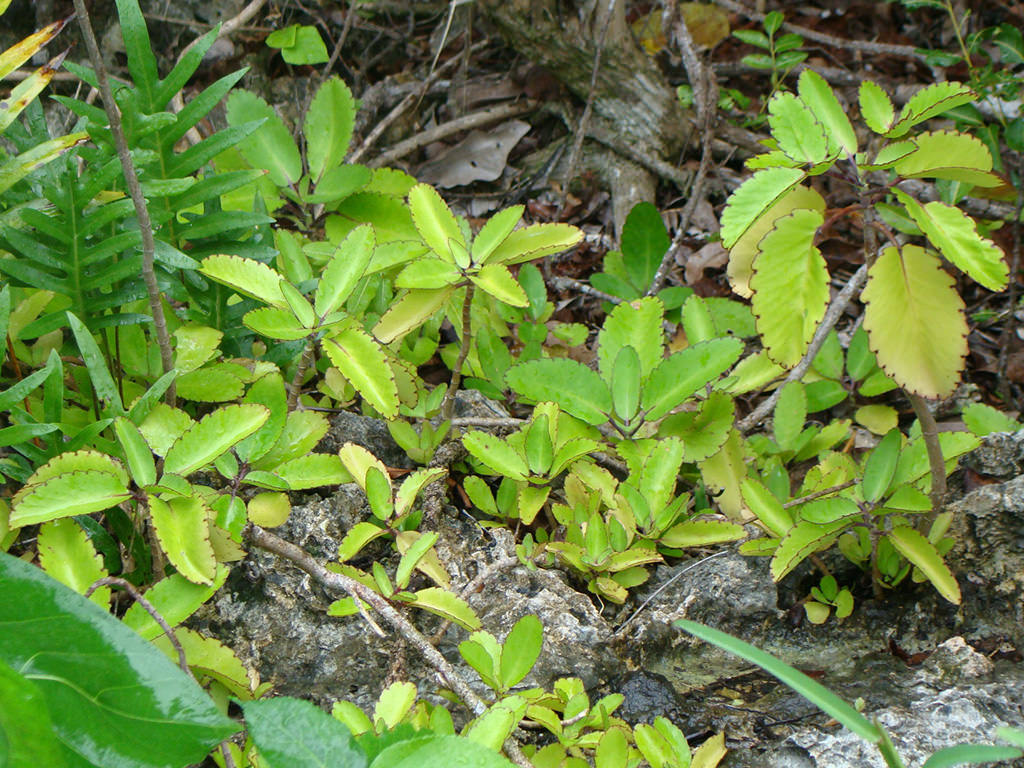
Miracle leaf (Bryophyllum pinnatum) is a succulent plant with thick, fleshy leaves. In traditional practices across Asia, Africa, and the Caribbean, the leaves are often infused in warm water and consumed as a mild daily support tea.
People searching for miracle leaf tea benefits for joint pain often turn to it because it’s:
-
Easy to grow at home
-
Naturally caffeine-free
-
Traditionally associated with inflammation balance and muscle relaxation
This is why it’s frequently mentioned alongside herbal teas for joint and back comfort rather than medical treatments.
How Miracle Leaf Tea May Support the Body
1. Joint & Back Comfort
Miracle leaf contains plant compounds studied for their anti-inflammatory and soothing properties. This explains why it’s commonly used when the lower back or joints feel stiff after long periods of sitting or physical work.
People researching natural remedies for back pain often encounter miracle leaf tea as a supportive option.
2. Muscle Relaxation & Circulation
Traditionally, the tea is used when the body feels tense or heavy. The warmth of the infusion combined with the plant’s bioactive compounds may help promote gentle circulation and relaxation.
3. Digestive Ease (Indirect Benefit)
Some users report feeling lighter overall after regular use, which may be linked to mild digestive support — a common theme in searches like herbal teas for inflammation and digestion.
Important: This tea is not medicine and should not replace medical care for chronic pain.
How to Prepare Miracle Leaf Tea (Traditional Method)
Ingredients
-
2–3 fresh miracle leaf leaves
-
2 cups (500 ml) water
Instructions
-
Wash the leaves thoroughly.
-
Lightly crush or tear them to release the juices.
-
Add to boiling water, then reduce heat.
-
Simmer gently for 5–7 minutes.
-
Strain and drink warm.
How often:
Once daily, preferably in the evening when the body is resting.
This preparation method is commonly referenced in guides about how to use miracle leaf safely.
What Most People Don’t Realize About This Plant
The real value of miracle leaf tea isn’t intensity — it’s consistency. Traditional use emphasizes:
-
Light brewing (not concentrated)
-
Regular use over time
-
Listening to how your body responds
This is why it’s often grouped with daily herbal teas for joint health, not fast-acting pain remedies.
Who Should Be Careful?
People who are:
-
Pregnant or breastfeeding
-
Taking blood pressure or heart medications
should consult a healthcare professional before regular use. This aligns with general guidance around herbal teas and medication interactions.
Why Interest in Miracle Leaf Tea Is Growing
As more people search for plant-based wellness support, interest in backyard herbs is rising. Queries like:
-
miracle leaf tea benefits
-
herbal tea for joint pain
-
natural remedies for back discomfort
are increasingly common — especially among those looking for gentle, non-synthetic options.
Final Thought
Miracle leaf tea isn’t a miracle cure — but it’s a quiet, traditional support that fits naturally into daily life. When used correctly and consistently, it reflects an older approach to wellness: simple plants, light preparation, and patience.
Sometimes, the most powerful habits grow right in your backyard.
Sources
-
National Center for Complementary and Integrative Health (NCCIH) – Herbal safety
-
Journal of Ethnopharmacology – Bryophyllum pinnatum traditional use
-
Cleveland Clinic – Herbal teas & inflammation support