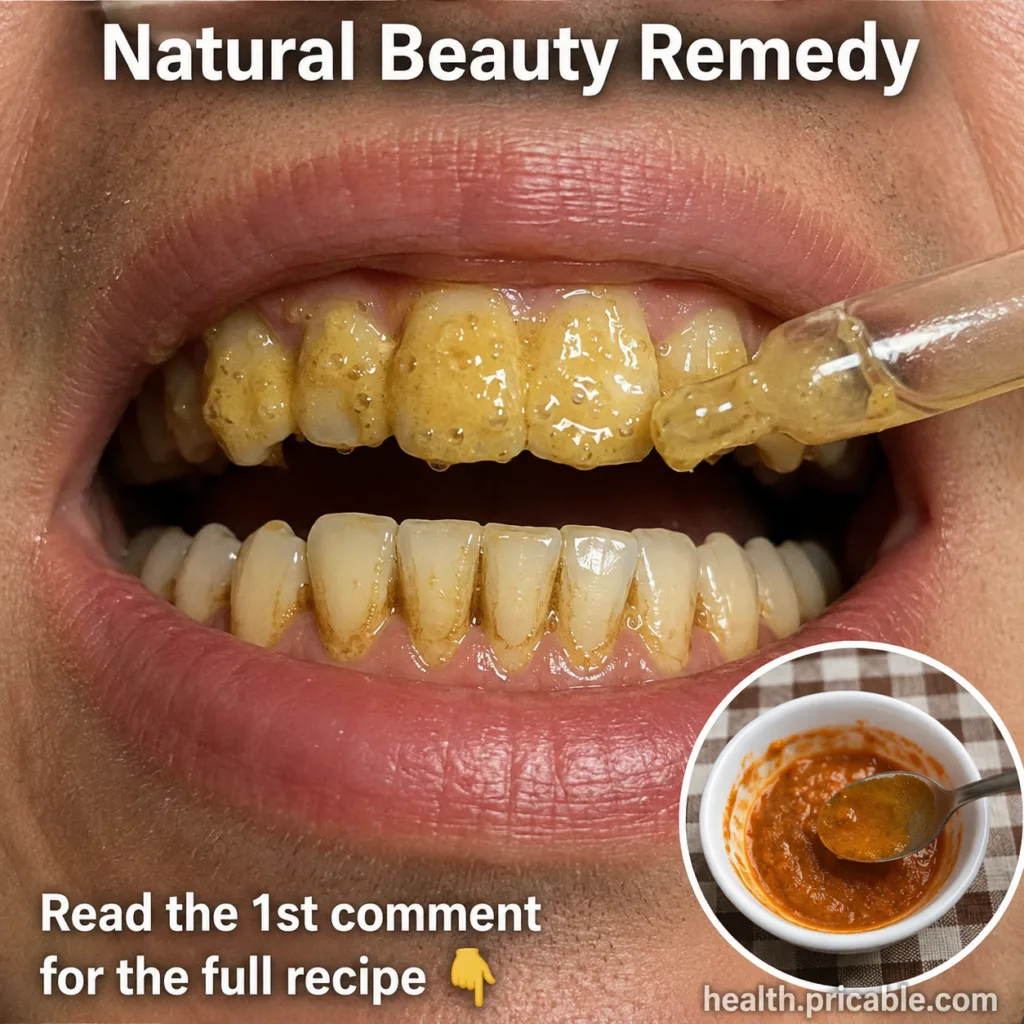
Achieve a visibly brighter smile using a simple, accessible ingredient from your kitchen. This easy DIY paste is designed to help reduce the appearance of surface stains, giving your teeth a fresher look.
Quick Recipe
Prep time: 2 minutes
Best for: Mild surface tooth stains
Use type: Paste
Main ingredients:
- Baking soda
- Lemon juice or water
Ingredients
- 1 teaspoon baking soda
- ½ teaspoon fresh lemon juice (or water for a gentler option)
How to Make It
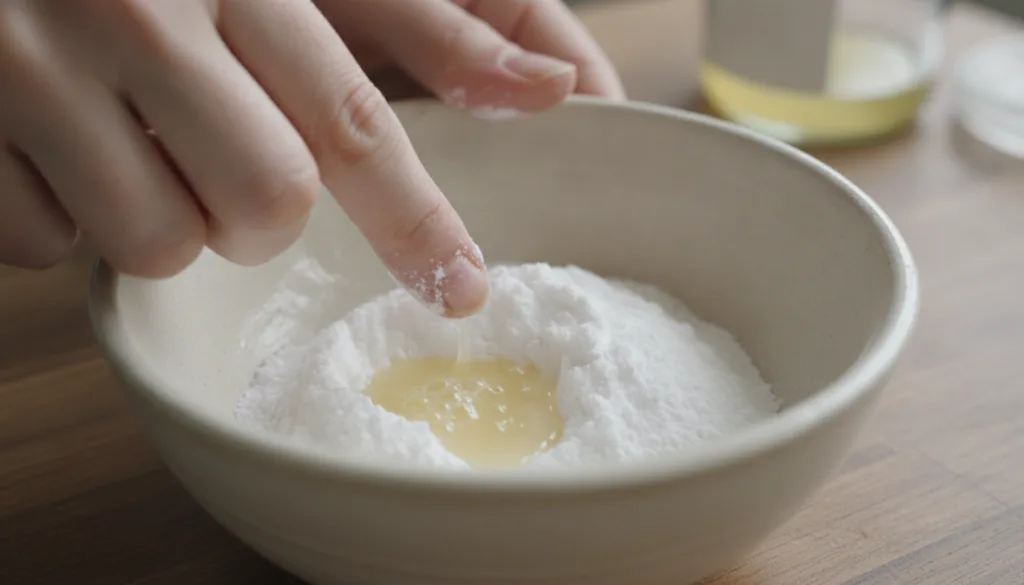
- In a small, clean bowl, combine the baking soda and fresh lemon juice (or water).
- Stir well until a smooth paste forms. Adjust the liquid amount slightly if needed to reach a good consistency – it should be thick enough to stay on your teeth but not too dry.
How to Use It
- Rinse your mouth with water before application.
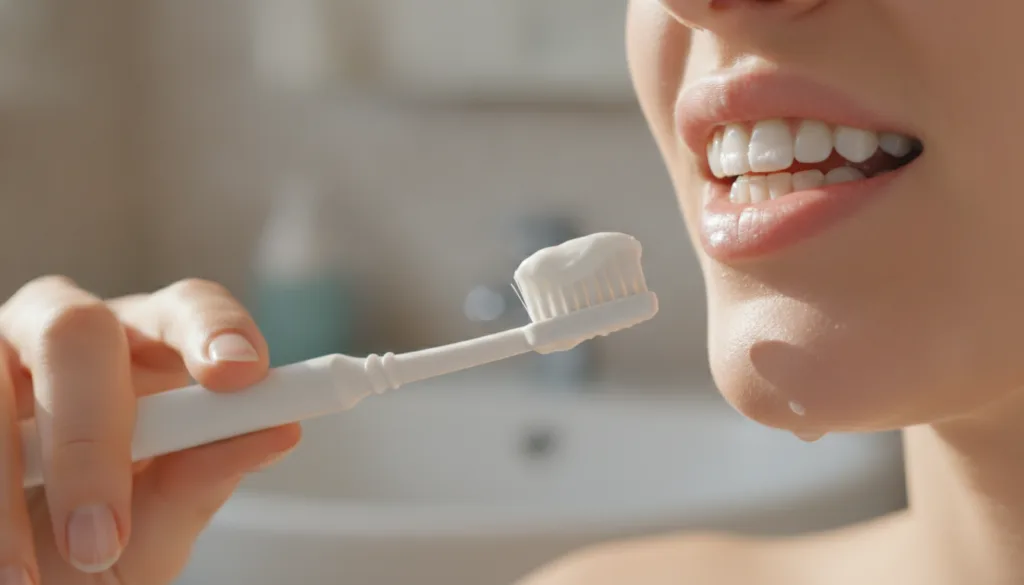
- Using a clean finger or a very soft-bristled toothbrush, carefully apply a thin layer of the paste onto your teeth. Avoid scrubbing vigorously.
- Let the paste sit on your teeth for no more than 1-2 minutes.
- Rinse your mouth thoroughly with water until all residue is gone. Do not swallow the paste.
How Often to Use It
Due to the abrasive nature of baking soda and the acidity of lemon juice, this remedy should be used sparingly. We recommend using it no more than once or twice a week, and for short durations, to protect your tooth enamel.
Why These Ingredients Are Used
Baking Soda
Baking soda (sodium bicarbonate) is a mild abrasive that can help gently scrub away surface stains on teeth without being overly harsh. It’s also alkaline, which can help neutralize acids in the mouth, contributing to a cleaner feeling.
Lemon Juice
Lemon juice contains citric acid, which is a natural bleaching agent. While it can help lift stains, its acidity also poses a risk to tooth enamel, which is why we suggest using it in moderation or opting for water as a gentler alternative. Always rinse thoroughly after use.
What Results to Expect
With consistent and cautious use, you may notice an improvement in the appearance of surface stains, leading to teeth that look brighter and feel cleaner. This remedy is best for superficial discoloration and may not change the natural shade of your teeth.
Safety Notes
- Consult Your Dentist: Before trying any new home teeth-whitening remedy, it’s always best to consult your dentist, especially if you have sensitive teeth, gum issues, or dental work.
- Enamel Protection: Overuse of abrasive or acidic ingredients can potentially erode tooth enamel, leading to sensitivity and other dental problems. Use this remedy strictly as directed and sparingly.
- Avoid if Sensitive: If you experience any tooth sensitivity, gum irritation, or discomfort, discontinue use immediately.
- Not for All Stains: This remedy is primarily for surface stains and will not affect stains beneath the enamel or change the intrinsic color of your teeth.
- Do Not Swallow: Always rinse your mouth thoroughly to ensure no paste is ingested.
FAQ
Is this safe for tooth enamel?
Used sparingly and correctly, baking soda is considered a mild abrasive. However, combining it with acidic lemon juice increases the risk of enamel erosion. Opting for water instead of lemon juice makes it a gentler option. Always follow usage instructions carefully.
How quickly will I see results?
Results can vary depending on the severity of the stains and individual tooth composition. Some people may notice a slight brightening after a few uses, while for others, it may take longer. Consistency with caution is key.
Can I use this daily?
No, this remedy is not recommended for daily use. The abrasive nature of baking soda and the acidity of lemon juice can harm tooth enamel and irritate gums if used too frequently. Stick to once or twice a week at most.
Final Thoughts
Embracing natural beauty solutions can be a wonderful way to care for yourself. This simple kitchen ingredient offers a practical approach to supporting a brighter-looking smile. Remember to always prioritize your dental health and use home remedies with care. Share your experiences in the comments below!