Why oats work for some people — and backfire for others — has less to do with calories, and more to do with digestion, timing, and structure.
Oatmeal is often labeled a “healthy breakfast,” yet many people feel hungry, bloated, or sluggish shortly after eating it.
The difference isn’t oats themselves.
It’s how oats are prepared, when they’re eaten, and how the body receives them.
This guide explains why oats sometimes work — and why they sometimes backfire, based on digestion speed, nervous system signaling, and metabolic timing.
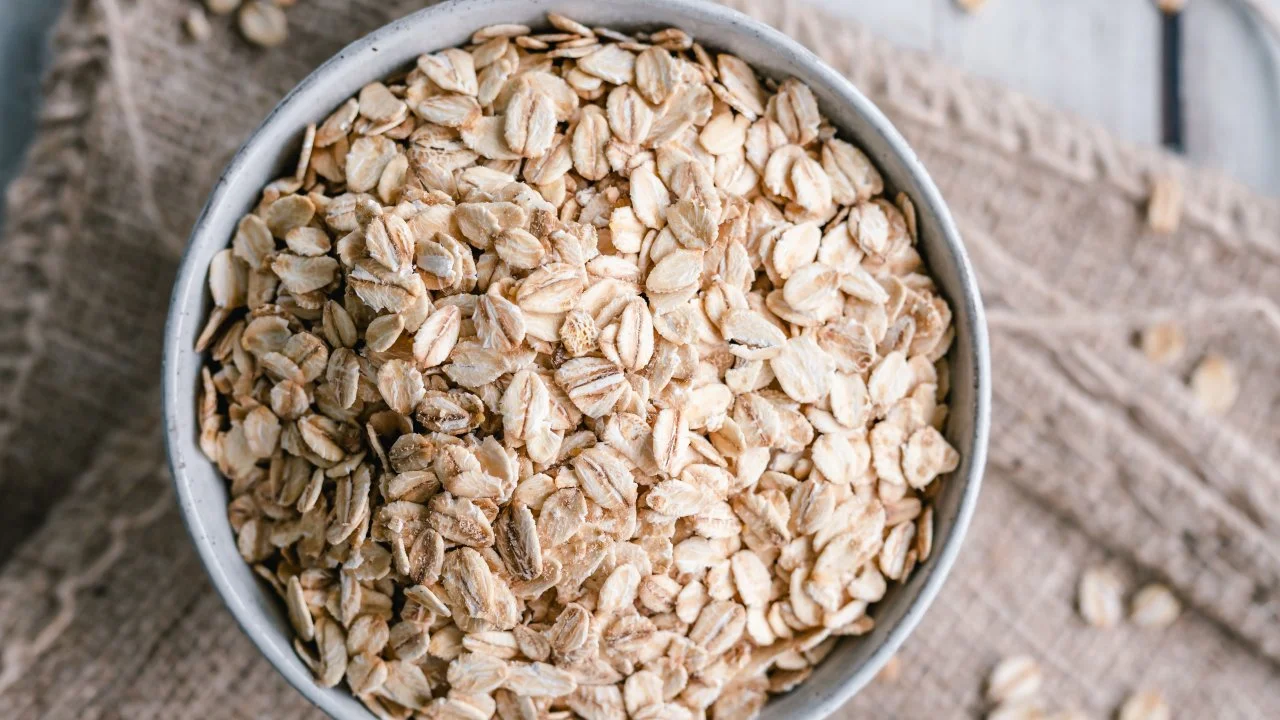
Why Cooked Oats Work Better Than Blended Oats
Cooked oats (chewed):
When oats are cooked and eaten with chewing, digestion slows naturally.
-
Chewing activates satiety hormones
-
Stomach emptying becomes steadier
-
Glucose enters the bloodstream more gradually
This often results in stable energy and longer fullness.
Blended oats (smoothies):
When oats are blended into drinks, chewing is removed.
-
Less oral signaling to the brain
-
Faster gastric emptying
-
Weaker satiety response
Even if calories are the same, blended oats often lead to hunger rebound, because the body doesn’t register the meal as “complete.”
👉 Structure matters more than ingredients.
When Oats Work Best: Morning vs Night
Morning oats:
In the morning, insulin sensitivity is naturally higher.
When oats are eaten earlier in the day:
-
Glucose is handled more efficiently
-
Appetite regulation improves
-
Energy feels steadier across the morning
This is why oats often work best as a breakfast or early meal.
Night oats:
At night, the body shifts toward rest and repair.
Large carbohydrate loads late in the evening may:
-
Disrupt circadian insulin rhythm
-
Increase fat storage signals
-
Interfere with sleep quality
For some people, nighttime oats can feel heavy, bloating, or overly stimulating, even if the same meal felt fine earlier.
Warm Oats vs. Cold Oats: Nervous System Response
Warm oats:
Warm foods activate the parasympathetic (“rest-and-digest”) nervous system.
-
Digestion feels calmer
-
Gut tension reduces
-
Fullness signals register more clearly
This is why warm oatmeal often feels comforting and grounding.
Cold oats (overnight oats):
Cold, fermented oat mixtures can increase digestive workload for sensitive systems.
-
Higher fermentation load
-
More gas and gut pressure for some people
-
Reduced digestive comfort
Cold oats aren’t bad — but they don’t suit every nervous system equally.

Why Warm Oats Work Better for Digestion Than Cold Oats
Oats are primarily carbohydrates.
Without buffering, they digest quickly.
Oats tend to backfire when:
-
Eaten alone without protein or fat
-
Blended into liquids
-
Consumed cold by sensitive digestion
-
Eaten at night in large portions
In these cases, the body experiences:
-
Rapid glucose rise
-
Quick energy drop
-
Early return of hunger
This isn’t a failure of discipline — it’s physiology.
How to Make Oats Work (Instead of Backfire)
To support steadier digestion and appetite regulation, oats work best when paired with buffers:
-
Protein: yogurt, milk, eggs, cottage cheese
-
Fat: nuts, seeds, nut butter, olive oil
-
Fiber structure: chia seeds or whole fruit
These additions slow digestion and strengthen the body’s “meal complete” signal.
A Simple Rule of Thumb
Oats work best when they are:
-
Cooked, not blended
-
Warm, not ice-cold
-
Eaten earlier in the day
-
Paired with protein and fat
When these conditions are met, oats support:
-
Stable energy
-
Reduced cravings
-
Calmer digestion
When they’re not, oats can feel surprisingly unsatisfying.
Final Takeaway
Oats aren’t universally good or bad.
They’re context-dependent.
The same bowl of oats can either:
-
Support steady energy and appetite
-
Or trigger hunger and discomfort
Understanding how and when oats are eaten matters more than labeling them as “healthy” or “unhealthy.”
Eating well isn’t about food rules.
It’s about matching food structure to how the body actually works.


One comment on “Why Oats Work — Or Backfire: 6 Science-Backed Reasons Your Oatmeal Helps or Hurts”