Welcome back to Garden – L. Quyên! Today, we’re diving into one of the most fascinating and effective techniques for a thriving garden: companion planting. Imagine a garden where plants work together, helping each other grow stronger, deter pests, and even improve flavors. It’s not magic; it’s smart gardening, and it’s easier than you think!
Companion planting is the practice of planting different species of plants close together for mutual benefit. This age-old method harnesses nature’s wisdom to create a balanced ecosystem right in your backyard, leading to healthier plants and a more abundant harvest without relying on harsh chemicals.
The Wonderful Benefits of Companion Planting
Why should you consider companion planting? The advantages are numerous and impactful for any gardener, from beginner to expert.
Natural Pest Control
One of the biggest headaches for gardeners is dealing with pests. Companion planting offers a natural, eco-friendly solution. Certain plants, often called ‘trap crops’ or ‘repellent plants,’ can either lure pests away from your prized vegetables or emit scents that deter them entirely.
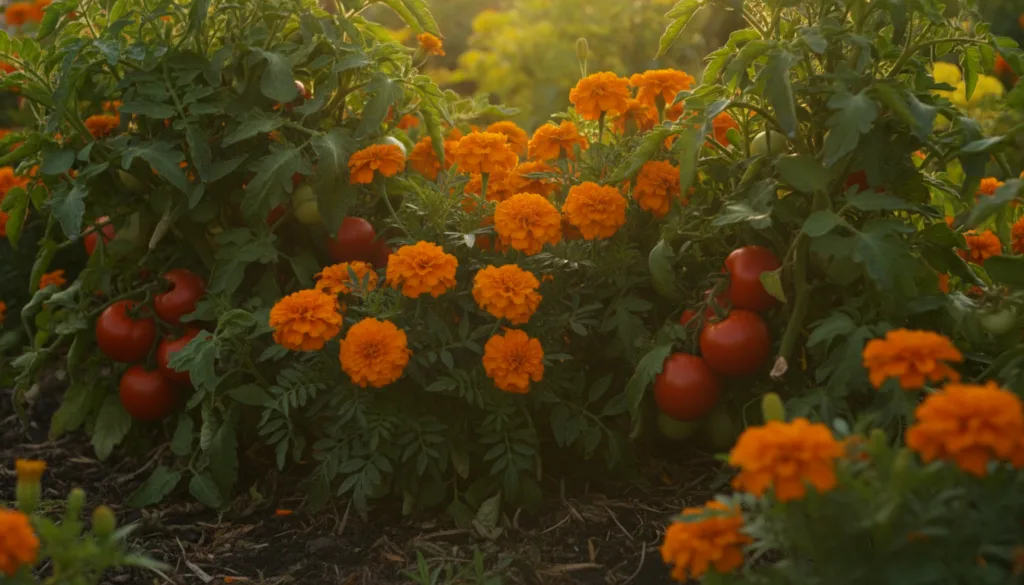
- Marigolds: Known for repelling nematodes and other harmful soil pests. Plant them near tomatoes, potatoes, and roses.
- Nasturtiums: Act as a trap crop for aphids, drawing them away from beans and broccoli.
- Garlic & Onions: Their strong scent deters many pests, including aphids, slugs, and Japanese beetles, making them great companions for carrots, lettuce, and tomatoes.
Improved Growth and Flavor
Beyond pest control, some plant combinations can actually help each other grow better and even taste better!
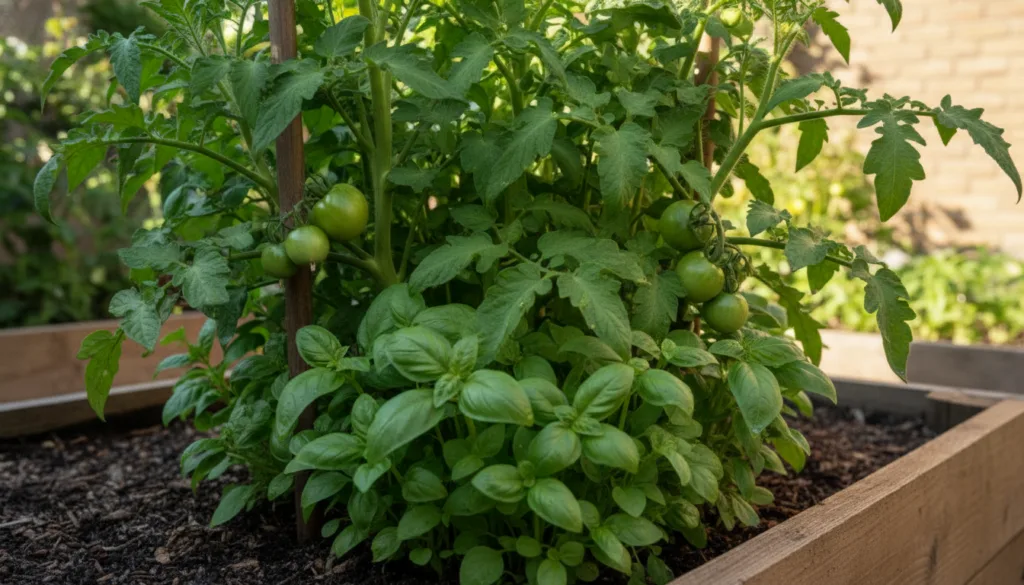
- Basil & Tomatoes: A classic pairing! Basil is believed to improve the flavor of tomatoes and also deter tomato hornworms and flies.
- Carrots & Rosemary: Rosemary is thought to deter the carrot rust fly, while carrots benefit from the protection.
- Beans & Corn: This is part of the famous ‘Three Sisters’ planting. Beans fix nitrogen in the soil, which benefits corn, a heavy nitrogen feeder. Corn, in turn, provides a trellis for the beans to climb.
Enhanced Soil Health
Certain companion plants can contribute to healthier soil, reducing the need for external fertilizers.
- Legumes (Beans, Peas): These plants have a special ability to ‘fix’ nitrogen from the air into the soil, making it available for other plants.
- Deep-rooted plants: Plants with deep taproots can break up compacted soil and bring up nutrients from deeper layers, making them accessible to shallow-rooted companions.
Popular Companion Planting Pairs to Try
Ready to get started? Here are a few tried-and-true combinations you can implement in your garden today:
The Three Sisters: Corn, Beans, and Squash
This ancient Native American method is a fantastic example of synergistic planting:
- Corn: Provides a natural pole for the beans to climb.
- Beans: Fix nitrogen in the soil, enriching it for the corn and squash.
- Squash: Its large leaves spread across the ground, shading the soil, preventing weeds, and retaining moisture.
Tomatoes & Friends
Tomatoes are incredibly popular and have many helpful companions:
- Basil: Enhances flavor and deters pests.
- Chives: Deters aphids and improves growth.
- Marigolds: Repel nematodes and other soil pests.
Cabbage & Broccoli Companions
Brassicas like cabbage and broccoli can be prone to certain pests, but companions can help:
- Dill: Attracts beneficial insects like ladybugs and predatory wasps that feed on cabbage worms.
- Rosemary: Deters cabbage moths.
- Chamomile: Believed to improve the growth and flavor of cabbage and broccoli.
Tips for Successful Companion Planting
- Observe and Learn: Pay attention to your garden. What works well? What doesn’t? Keep a garden journal to track your findings.
- Start Small: You don’t have to overhaul your entire garden at once. Try a few companion pairs and expand as you gain confidence.
- Consider Plant Needs: Ensure companion plants have similar requirements for sunlight, water, and soil type to thrive together.
- Avoid Bad Companions: Just as some plants help each other, others can hinder. For example, avoid planting fennel near most vegetables, and keep beans away from onions and garlic.
Harvest Your Best Garden Yet!
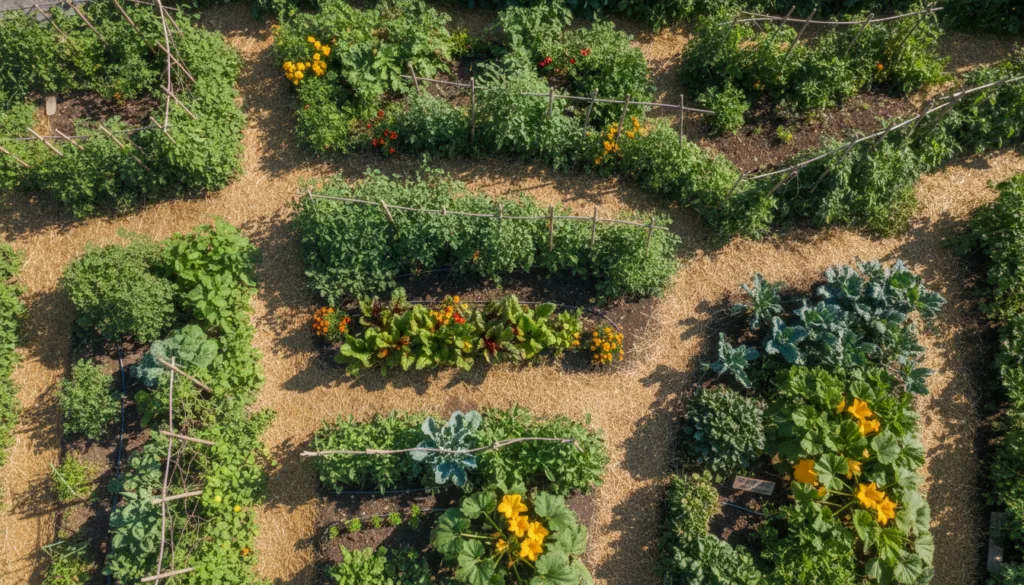
Embracing companion planting is a wonderful way to work with nature, not against it. It’s an empowering technique that leads to healthier plants, fewer pest problems, improved soil, and ultimately, a more bountiful and delicious harvest. We hope this inspires you to try out some new pairings in your garden!
Do you have a favorite companion planting secret? Share your tips and experiences in the comments below! Happy gardening!