Are you dreaming of a lush, productive garden overflowing with fresh vegetables and beautiful climbing flowers? Many gardeners discover that one simple tool can dramatically transform their space and boost their yield: the trellis! Far more than just a decorative element, trellises are essential for vertical gardening, helping your plants thrive and delivering an abundant harvest.
Whether you have a sprawling backyard or a small patio, incorporating the right trellis can save space, improve plant health, and make harvesting a breeze. Let’s explore how to select the perfect trellis to unlock your garden’s full potential.
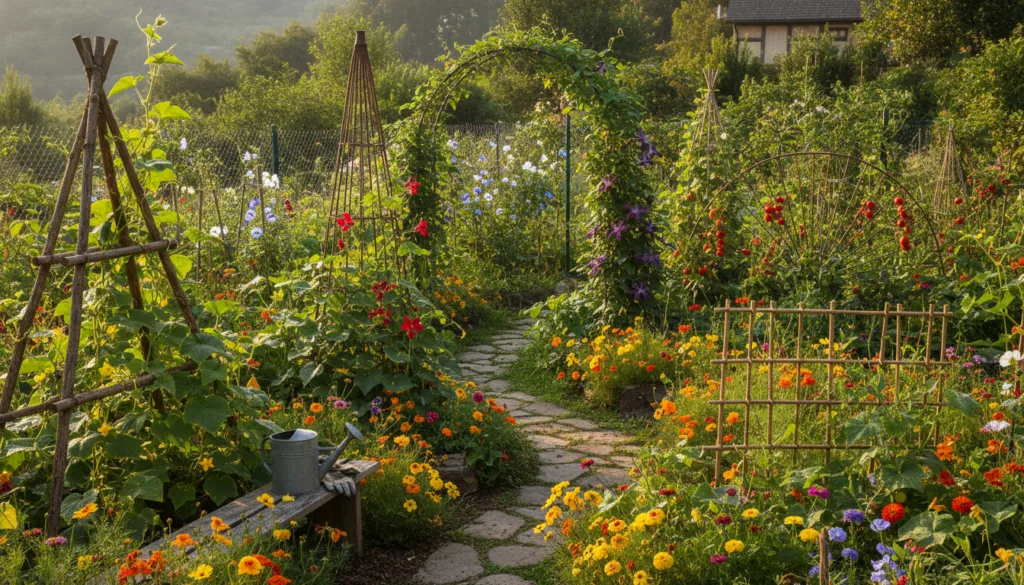
Why Trellises Are a Game Changer for Your Garden
Before diving into specific types, let’s understand why trellises are so beneficial:
- Space Saving: By encouraging plants to grow upwards, trellises allow you to maximize your growing area, especially in small gardens or raised beds.
- Improved Air Circulation: Lifting plants off the ground helps prevent fungal diseases and pest infestations by promoting better airflow around foliage.
- Easier Harvesting: No more bending and searching! Fruits and vegetables are more visible and accessible when grown vertically.
- Cleaner Produce: Keeping fruits and vegetables off the soil reduces their contact with pests and soil-borne diseases, leading to cleaner, healthier produce.
- Aesthetic Appeal: Trellises can add architectural interest and beauty to your garden, creating stunning visual displays with vining plants.
Choosing the Right Trellis for Your Plants
The best trellis depends on the type of plant you’re growing and the space you have. Here are some popular options:
1. Netting Trellises
- Description: Made of strong nylon or plastic mesh, these are lightweight and affordable.
- Best for: Lightweight vining plants like peas, pole beans, cucumbers, and small gourds.
- Pros: Easy to install, flexible, and can be draped over various structures.
- Cons: Can sometimes tangle delicate vines, and not sturdy enough for heavy plants.
2. A-Frame Trellises
- Description: Two panels hinged at the top, forming an A-shape.
- Best for: Cucumbers, squash, and other medium-weight vining vegetables.
- Pros: Provides ample support, allows for growth on both sides, and is often portable.
- Cons: Takes up more ground space than vertical flat trellises.
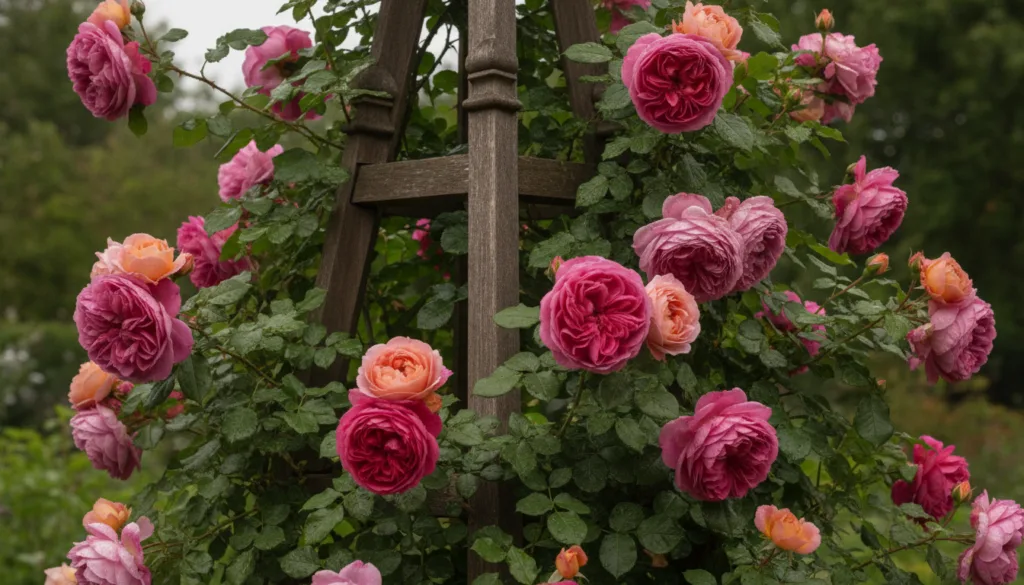
3. Obelisk Trellises
- Description: A tall, often conical or pyramidal structure, usually made of wood or metal.
- Best for: Flowering vines like clematis, morning glories, and small climbing roses, as well as determinate tomato varieties.
- Pros: Highly ornamental, creates a focal point, and offers all-around support.
- Cons: Can be more expensive; less practical for large-scale vegetable production.
4. Garden Cages/Tomato Cages
- Description: Cylindrical or square structures, typically made of metal wire.
- Best for: Bushy plants that need all-around support, most famously tomatoes, but also peppers and eggplants.
- Pros: Easy to set up, provides immediate support, and contains bushy growth.
- Cons: May not be tall enough for indeterminate tomato varieties, can be flimsy if not well-made.
5. Panel Trellises (Grid or Lattice)
- Description: Flat panels with a grid or lattice pattern, often made of wood, metal, or plastic.
- Best for: Heavy vining plants like indeterminate tomatoes, winter squash, melons (with slings for fruit), and espalier fruit trees.
- Pros: Very sturdy, versatile for wall-mounted or freestanding use, and can support significant weight.
- Cons: Can be more permanent, requires secure installation.
Installation and Maintenance Tips
- Install Early: Place your trellis when plants are young to avoid disturbing roots later.
- Secure Properly: Ensure your trellis is firmly anchored in the ground or attached to a sturdy structure to withstand wind and the weight of mature plants.
- Guide Growth: Gently train young vines to climb the trellis. Some plants will grasp on their own, while others might need a little help with soft ties.
- Clean Annually: At the end of the season, clean your trellises to remove any lingering pests or disease spores before storing them or preparing for the next season.
Ready to Elevate Your Garden?
Selecting the right trellis is a simple yet impactful decision that can transform your gardening experience. By providing optimal support, you’ll witness healthier plants, enjoy easier harvesting, and achieve a more bountiful yield. Experiment with different types to see what works best for your garden’s layout and your favorite climbing plants. Your garden – and your future harvests – will thank you!
What’s your go-to trellis type for a successful harvest? Share your tips in the comments below!