Welcome to the Wonderful World of Companion Planting!
Imagine stepping into your garden, where every plant thrives, pests are naturally deterred, and your harvest tastes even more incredible. This isn’t a dream – it’s the magic of companion planting! By strategically placing certain vegetables and herbs together, you can create a harmonious ecosystem that benefits all its inhabitants, especially your palate.
At Garden – L. Quyên, we’re all about making gardening easy, enjoyable, and bountiful. Today, we’re diving deep into the art of pairing your favorite veggies and herbs to unlock a new level of flavor and health in your kitchen garden. Get ready to transform your backyard into a vibrant, delicious paradise!
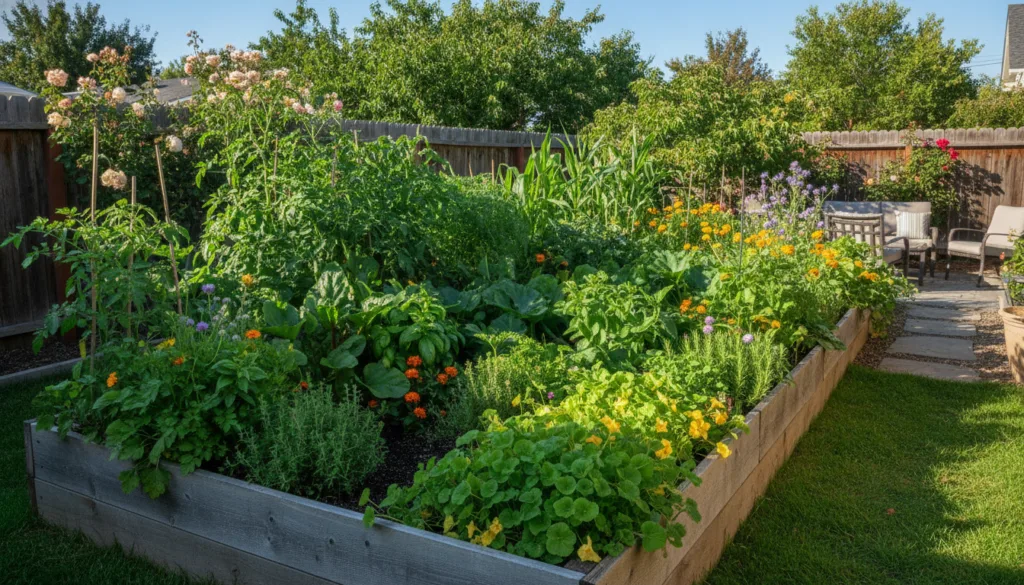
Why Companion Planting Matters for Flavor and Beyond
Companion planting is more than just good neighbors; it’s a symbiotic relationship that enhances the overall health and productivity of your garden. Here’s how it works wonders:
Natural Pest Control
Many herbs and certain vegetables emit scents that confuse or repel common garden pests. Planting them strategically can reduce the need for harsh chemicals, keeping your garden organic and healthy.
Enhanced Growth and Health
Some plants release compounds into the soil that benefit their neighbors, improving nutrient uptake, discouraging disease, or even altering soil pH. Others provide physical benefits, like shade for sun-sensitive plants or a trellis for climbers.
Boosted Flavor Profiles
This is where the magic truly happens for your kitchen! Certain plant pairings are known to enhance the flavor of their companions, making your homegrown produce taste even better. Think of it as a natural seasoning right from the soil!
Top Vegetable and Herb Pairings for Your Kitchen Garden
Ready to get started? Here are some of our favorite, tried-and-true pairings that will bring flavor harmony to your garden:
The Dynamic Duos: Classics You Can’t Miss
- Tomatoes & Basil: A match made in culinary heaven! Basil is believed to improve the flavor of tomatoes and deter tomato hornworms and flies.
- Carrots & Rosemary: Rosemary’s strong scent can deter carrot rust flies, while carrots break up the soil, benefiting rosemary’s root system.
- Cucumbers & Dill: Dill attracts beneficial insects like predatory wasps, which prey on cucumber pests. It’s also said to improve cucumber growth and flavor.
- Lettuce & Mint: Mint can deter slugs and snails that love to munch on leafy greens. Just make sure to plant mint in a container, as it can be very invasive!
- Potatoes & Beans: Beans fix nitrogen in the soil, which benefits heavy feeders like potatoes. Avoid planting beans with onions or garlic, which can stunt their growth.
The Power Trios and More: Advanced Strategies
- The Three Sisters (Corn, Beans, Squash): An ancient Native American companion planting technique. Corn provides a stalk for beans to climb, beans fix nitrogen for the corn and squash, and squash leaves provide ground cover, deterring weeds and keeping the soil moist.
- Leafy Greens (Spinach, Lettuce) & Onions/Garlic: Onions and garlic deter many common pests that target leafy greens, thanks to their pungent smell. They also take up minimal space.
- Broccoli/Cabbage & Chamomile/Dill: Chamomile is known to improve the growth and flavor of brassicas, while dill attracts beneficial insects that help control cabbage worms.
- Peppers & Radishes: Radishes can help loosen the soil for pepper roots, and both enjoy similar growing conditions. Avoid planting peppers near beans, as they can inhibit each other’s growth.
General Tips for Successful Companion Planting
To maximize your success with companion planting, keep these tips in mind:
- Know Your Plants: Understand the specific needs of each plant, including sun, water, and soil requirements, before pairing them.
- Observe Your Garden: Pay attention to how your plants interact. What works well in one garden might need slight adjustments in another.
- Rotate Crops: Even with companion planting, it’s good practice to rotate your crops annually to prevent nutrient depletion and disease buildup.
- Good Soil is Key: Healthy, well-draining soil rich in organic matter will always be the foundation for a thriving garden, regardless of your planting strategy.
- Don’t Be Afraid to Experiment: Gardening is a journey of discovery! Try new combinations and see what works best for your specific garden environment.
Cultivate a Garden Full of Flavor!
Embracing companion planting is a wonderful way to connect with your garden on a deeper level, encouraging a natural balance and bringing an extra layer of flavor to your harvest. We hope these pairings inspire you to experiment and create a vibrant, productive kitchen garden!
What are your favorite veggie and herb pairings? Share your tips and triumphs with us in the comments below – we’d love to hear from you!