Galium aparine, commonly known as cleavers, goosegrass, or sticky weed, is a fast-growing wild plant found across Europe, North America, and Asia. Often overlooked or pulled from gardens as a nuisance, cleavers has a long history in traditional herbal practices – particularly those focused on kidney comfort, urinary balance, and gentle internal cleansing.
For centuries, herbalists have turned to cleavers as a cooling, soothing herb, especially during seasonal transitions when the body feels sluggish or overloaded. Today, cleavers continues to appear in teas, fresh infusions, and traditional preparations aimed at supporting fluid balance and elimination.
⚠️ This article is for educational purposes only and does not diagnose, treat, or cure any disease.
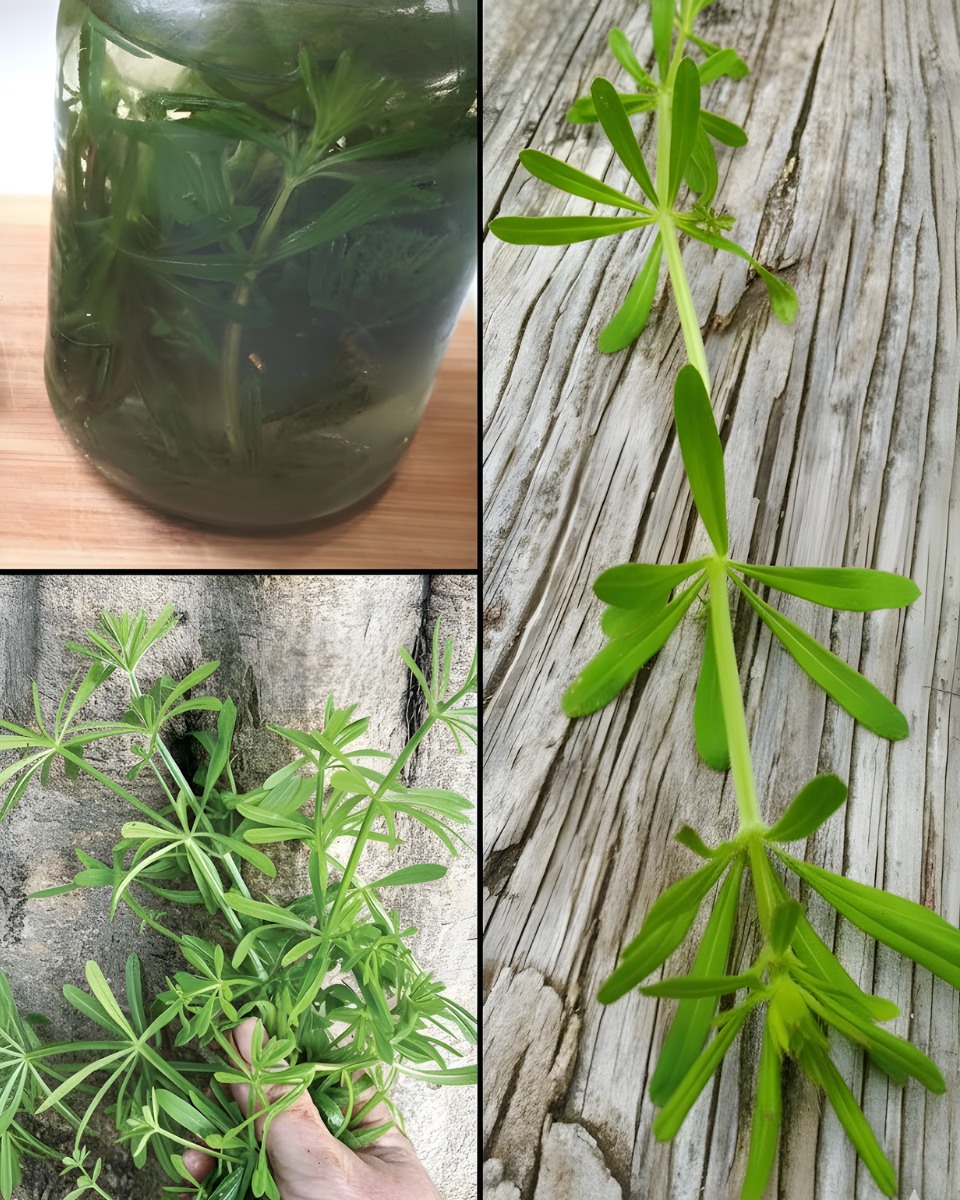
What Is Galium Aparine?
Galium aparine is an annual climbing herb from the Rubiaceae family. It is easily recognized by its ability to cling to clothing, skin, and animal fur due to tiny hooked hairs along its stems and leaves.
Common Names: Cleavers, Goosegrass, Sticky weed, Catchweed, Clivers
Key Identification Features
- Thin, square stems
- Narrow leaves arranged in whorls (circles) of 6–8
- Tiny hooked hairs that make the plant “sticky”
- Small white flowers (late spring to summer)
Correct identification is essential before any traditional use.
A Brief History of Traditional Use
Cleavers has been used in:
- European folk herbalism
- Traditional Western herbal medicine
- Spring tonic and “cleansing” traditions
- Lymphatic and urinary-focused remedies
Historically, cleavers was valued as a gentle mover of fluids – an herb believed to support the body’s natural elimination pathways rather than force them.
Traditional uses often focused on:
- Supporting kidney and urinary comfort
- Encouraging gentle fluid balance
- Seasonal cleansing routines
- Cooling excess internal heat

Traditional Preparations of Galium Aparine
1. Fresh Galium Aparine (Cleavers) Infusion (Most Traditional)
Cleavers is often used fresh, as drying may reduce some traditional properties.
Ingredients
- A handful of fresh cleavers (cleaned)
- 1–2 cups cool or room-temperature water
How to Prepare
- Rinse the plant thoroughly.
- Chop lightly or bruise stems.
- Soak in water for 4–8 hours (cold infusion).
- Strain and drink within 24 hours.
This method is commonly preferred for its gentle nature.
2. Galium Aparine (Cleavers) Tea (Dried Herb Option)
Ingredients
- 1–2 teaspoons dried cleavers
- 1 cup hot water
Instructions
- Pour hot (not boiling) water over herb.
- Steep for 10–15 minutes.
- Strain and sip.
Taste is mild, grassy, and slightly sweet.
3. Tinctures and Liquid Extracts
Used in small amounts, often diluted in water. These preparations are more concentrated and should be used cautiously.
Understanding “Kidney Support” in Traditional Herbalism
In traditional herbal language, kidney support does not mean treating kidney disease or improving lab values. Instead, it refers to:
- Supporting normal urine flow
- Encouraging healthy fluid balance
- Reducing feelings of heaviness or stagnation
- Supporting the body’s natural waste-removal processes
Cleavers is traditionally classified as a mild diuretic herb, meaning it may gently encourage urination without harsh stimulation.
Why Cleavers Is Associated With Urinary Balance
1. Gentle Diuretic Action (Traditional Use)
Cleavers has historically been used to support:
- Normal urine output
- Comfort during mild water retention
- Seasonal fluid balance
Unlike stronger diuretic herbs, cleavers is considered cooling and mild, making it suitable for short-term traditional use.
2. Cooling and Soothing Properties
In traditional systems, cleavers is described as:
- Cooling
- Moistening
- Soothing to irritated tissues
This is why it was often used in warm weather or during spring “reset” routines.
3. Traditional Lymphatic Support
Cleavers is one of the most well-known herbs associated with lymphatic comfort in Western herbalism. Since lymphatic flow and urinary elimination are closely connected, cleavers was often included in formulas supporting overall fluid movement.
Nutritional and Phytochemical Profile
Cleavers contains:
- Flavonoids
- Iridoid glycosides
- Tannins (small amounts)
- Minerals from fresh plant material
Its value lies not in calories or vitamins, but in its functional plant compounds traditionally associated with fluid balance.
When Cleavers Is Traditionally Used
Cleavers is often used:
- In early spring
- During times of mild fluid retention
- As part of short-term herbal routines
- Alongside hydration and light diets
It is not traditionally used long-term without breaks.
Safety, Precautions, and Who Should Avoid Cleavers
Cleavers is generally considered safe for most people when used appropriately, but caution is still important.
Avoid or consult a professional if you:
- Are pregnant or breastfeeding
- Have kidney disease or are on dialysis
- Take diuretic medications or lithium
- Have chronic urinary conditions
Possible Side Effects
- Increased urination
- Mild digestive upset
- Allergic reactions (rare)
Always start with small amounts.
Foraging and Harvesting Tips
If harvesting cleavers yourself:
- Harvest young plants before flowering
- Choose clean, pesticide-free areas
- Avoid roadsides and polluted soil
- Use gloves if skin is sensitive (plant can cling)
Fresh cleavers spoils quickly—use soon after harvesting.
Frequently Asked Questions
Is cleavers good for kidneys?
Traditionally, cleavers is used to support kidney comfort and urinary balance—not to treat kidney disease.
Can cleavers detox the kidneys?
There is no scientific evidence that cleavers detoxes organs. Traditionally, it supports normal elimination.
How often can I drink cleavers tea?
Traditionally used short-term, often for days or weeks, not continuously long-term.
Can I use cleavers daily?
Short-term daily use is common in folk traditions, but long-term use should be guided by a professional.
Final Thoughts: A Gentle Herb for Fluid Balance
Galium aparine (cleavers) is a classic example of an herb that works with the body rather than forcing change. Its reputation in traditional herbalism comes from its gentle nature, cooling energy, and long-standing association with urinary and lymphatic comfort.
When used mindfully, correctly identified, and in moderation, cleavers can be a valuable part of a holistic wellness routine focused on hydration, balance, and seasonal support.