Collagen is one of the most talked about proteins in beauty and healthy aging. It helps support skin firmness, elasticity, joints, blood vessels, and connective tissues. But here is what many people miss: your body does not just need “collagen powder.” It also needs the nutrients involved in collagen synthesis and protection.
That is why certain whole foods matter so much.
Some provide vitamin C, which is essential for collagen formation. Others provide protein, zinc, copper, sulfur compounds, antioxidants, and healthy fats that help protect collagen from everyday stress.
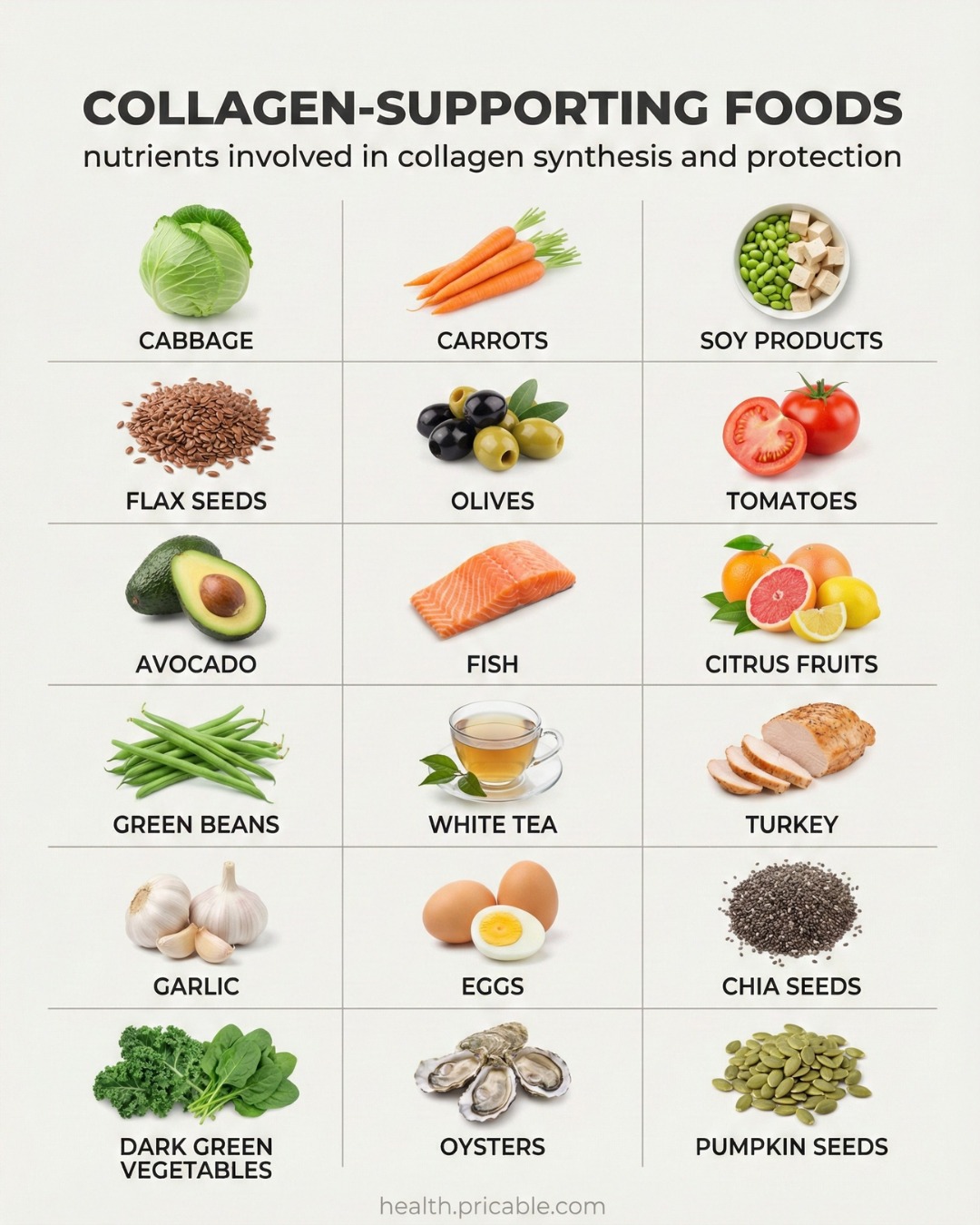
Why Collagen-Supporting Foods Matter
Collagen production naturally changes with age. Sun exposure, smoking, poor sleep, high sugar intake, and chronic stress can also speed up collagen breakdown.
That does not mean food can stop aging.
But it can help support the raw materials and protective nutrients your body uses every day.
A simple rule is this:
- Vitamin C helps build collagen
- Protein provides amino acids
- Zinc and minerals support repair
- Antioxidants help protect existing collagen
1. Cabbage
Cabbage provides vitamin C and plant antioxidants, both important for collagen support.
It is also rich in fiber, which supports gut health and overall nutrient absorption.
Easy ways to use it:
Add to slaws, soups, stir-fries, or lightly sauté with garlic.
2. Carrots
Carrots are rich in beta-carotene, which the body can convert into vitamin A. Healthy vitamin A status supports skin renewal and helps the skin barrier stay strong.
Easy ways to use it:
Eat raw, roast with olive oil, or blend into soups.

3. Soy Products
Soy foods such as tofu, tempeh, and edamame provide plant protein, which helps supply amino acids your body uses to build structural proteins.
They may also support skin health as part of a balanced diet.
Easy ways to use it:
Add tofu to stir-fries, edamame to bowls, or tempeh to salads.
4. Flax Seeds
Flax seeds provide omega-3 fats and antioxidants, which can help support skin hydration and reduce oxidative stress that may damage collagen over time.
Easy ways to use it:
Add ground flax to oatmeal, smoothies, or yogurt.
5. Olives
Olives contain healthy fats and polyphenols. These compounds help support skin barrier function and protect tissues from oxidative stress.
Easy ways to use it:
Add to salads, grain bowls, or snack plates.
6. Tomatoes
Tomatoes are known for vitamin C and lycopene. Vitamin C is directly involved in collagen formation, while lycopene acts as an antioxidant.
Easy ways to use it:
Eat fresh, roast, or cook into sauces.
7. Avocado
Avocado provides healthy monounsaturated fats, vitamin E, and fiber. These nutrients support skin moisture and help protect cells from damage.
Easy ways to use it:
Add to toast, salads, or smoothies.
8. Fish
Fish provides high-quality protein and, in many cases, omega-3 fats. Protein helps provide the amino acids needed for collagen production.
Fatty fish also support skin hydration and inflammation balance.
Easy ways to use it:
Bake, grill, or add to bowls and salads.

9. Citrus Fruits
Citrus fruits are some of the best foods for collagen support because they are rich in vitamin C.
Without enough vitamin C, the body cannot make collagen efficiently.
Easy ways to use it:
Eat oranges, grapefruit, or lemon with meals, or add citrus to water and salads.
10. Green Beans
Green beans provide vitamin C, plant compounds, and fiber. They are not the most famous collagen food, but they fit well into a skin-supportive eating pattern.
Easy ways to use it:
Steam, roast, or sauté with olive oil.
11. White Tea
White tea contains polyphenols, which may help protect collagen and elastin from oxidative stress.
It is best seen as a supportive habit, not a miracle drink.
Easy ways to use it:
Sip warm in the morning or afternoon.
12. Turkey
Turkey is a strong source of protein, which helps provide amino acids needed for tissue repair and collagen building.
Easy ways to use it:
Use in soups, wraps, salads, or simple roasted meals.

13. Garlic
Garlic contains sulfur compounds, which help support collagen formation and protect tissues from breakdown.
It also adds strong flavor without needing processed sauces.
Easy ways to use it:
Use fresh in stir-fries, soups, roasted vegetables, and marinades.
14. Eggs
Eggs provide protein, sulfur-containing amino acids, and supportive nutrients for skin and tissue repair.
They are also easy to include regularly.
Easy ways to use it:
Boiled, scrambled, poached, or in omelets.
15. Chia Seeds
Chia seeds provide omega-3 fats, fiber, and antioxidants. These nutrients help support hydration, gut health, and skin resilience.
Easy ways to use it:
Add to puddings, yogurt, overnight oats, or smoothies.
16. Dark Green Vegetables
Dark green vegetables like spinach and kale provide vitamin C, carotenoids, and antioxidants that help support collagen production and skin protection.
Easy ways to use it:
Add to salads, soups, smoothies, or sautéed side dishes.
17. Oysters
Oysters are rich in zinc, one of the most important minerals involved in skin repair and collagen support.
Zinc helps wound healing and tissue maintenance.
Easy ways to use it:
Eat occasionally as part of a varied diet if you enjoy shellfish.
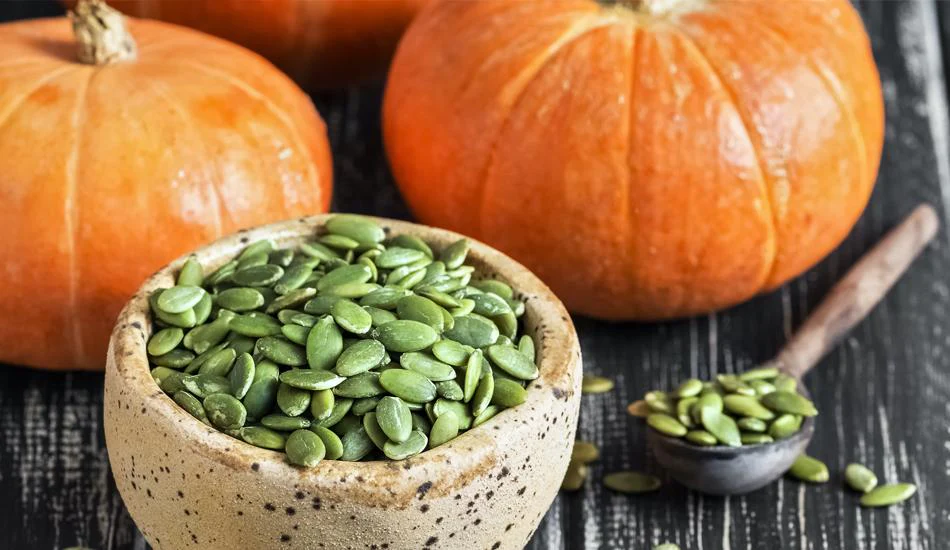
18. Pumpkin Seeds
Pumpkin seeds provide zinc, healthy fats, and antioxidants. They are one of the easiest plant foods to add for skin-supportive minerals.
Easy ways to use it:
Sprinkle on salads, yogurt, or oatmeal.
How to Build a Simple Collagen-Supporting Plate
A practical meal can look like this:
- Protein: fish, turkey, eggs, or soy products
- Vitamin C food: citrus fruits, tomatoes, cabbage, or dark green vegetables
- Healthy fat: avocado, olives, flax seeds, chia seeds, or pumpkin seeds
This gives your body a better mix of nutrients involved in collagen synthesis and protection.
When Will You Notice a Difference?
Food supports collagen slowly.
- Within 2 to 4 weeks: skin may feel less dry if your overall diet improves
- Within 1 to 3 months: better consistency in hydration, recovery, and skin appearance may become more noticeable
- Long term: whole-food habits help protect skin quality better than quick fixes
Final Takeaway
Collagen-supporting foods do not work like magic.
They work by giving your body the vitamin C, protein, zinc, antioxidants, and healthy fats it needs to build and protect collagen naturally.
If you want a strong starting point, focus on this combination: fish or eggs + citrus or tomatoes + avocado or seeds + dark green vegetables.
That is a simple, realistic way to support your skin from the inside out.