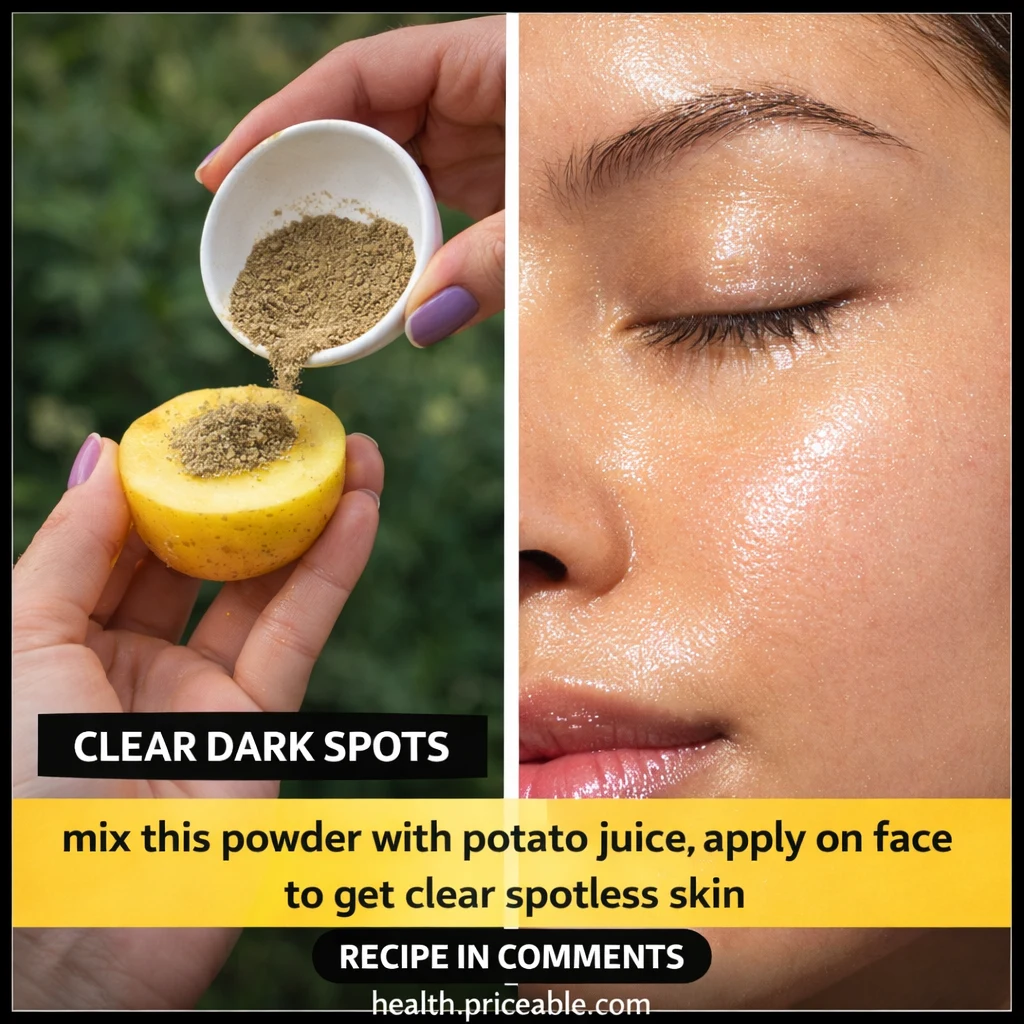
The viral potato juice face mask for dark spots is getting attention because it looks simple, cheap, and easy to make at home. The idea is straightforward: fresh potato juice is mixed with a fine powder to create a paste that may help the skin look brighter and more even with consistent use.
It is not an overnight fix, and it should not replace a gentle skincare routine, a fragrance-free moisturizer, and daily broad-spectrum sunscreen. Still, some people like it as a low-cost option for post-acne marks, dullness, and uneven-looking tone.
Here is a practical version you can actually make, plus the safest way to use it and what to buy if you want a more reliable dark spot routine.
Potato Juice Face Mask for Dark Spots: What to Mix and Why
The social post does not clearly name the powder, so the safest approach is to use a powder that is gentle, easy to find, and meant for topical use.
Here are the most common options people use with potato juice:
1. Oat flour
This is the best starter option for most skin types, especially if your skin leans dry or sensitive. It helps thicken the juice into a soft paste and feels less harsh than scrubbier powders.
2. Rice flour
This is popular in DIY skincare because it creates a smoother mask and can help absorb a little excess oil. It may feel too drying for some people, so use a small amount.
3. Kaolin clay
This works better for oily skin, but it can be too strong if your barrier is already irritated. Look for cosmetic-grade clay, not craft powder.
If you are new to DIY skincare, start with oat flour. It is the gentlest option and easier to patch test.
Easy DIY Recipe
Ingredients
-
1 small raw potato
-
1 to 2 teaspoons oat flour
-
1 teaspoon plain aloe vera gel, optional
-
1 small glass bowl
-
1 fine strainer, cheesecloth, or clean cotton cloth
How to make potato juice
Peel and rinse the potato well.
Grate it finely, then press the pulp through a strainer or cloth into a bowl. You only need about 1 tablespoon of fresh juice for one application.
How to make the mask
Add 1 teaspoon of oat flour to 1 tablespoon of fresh potato juice.
Mix until it forms a smooth, spreadable paste. If it feels too runny, add a little more oat flour. If it feels too thick, add a few drops of potato juice or aloe vera gel.
Let it sit for 1 minute so the powder fully absorbs the liquid.
How to Apply It
Clean your face with a gentle, non-stripping cleanser.
Apply a thin layer to the areas where you notice dark spots or uneven tone. You can also apply it all over the face if your skin tolerates DIY masks well.
Leave it on for 10 to 15 minutes.
Rinse with lukewarm water and pat dry. Follow with a simple moisturizer.
Use it 2 times a week at first. If your skin stays comfortable, you can increase to 3 times a week, but more is not always better.
What This Mask May Help With
This kind of mask may help support a brighter-looking complexion because potato juice contains natural starches and enzymes that some people find soothing. The powder also changes how the mask sits on the skin, making it easier to spread and less messy than juice alone.
What it may help with:
-
Mild-looking dullness
-
Uneven-looking skin tone
-
Post-acne marks that are not actively inflamed
-
A temporary smoother, fresher feel after rinsing
What it will not do:
-
Remove deep pigmentation quickly
-
Treat melasma
-
Replace sunscreen or proven brightening ingredients
-
Fix dark spots if you keep getting sun exposure without protection
Common Mistakes and How to Fix Them
Using too much powder
Too much powder turns the mask into a dry, crumbly paste that can tug on the skin.
Fix: Start with 1 teaspoon and adjust slowly.
Leaving it on too long
A longer mask time does not mean better results. Once the mixture dries too much, it can feel tight and irritating.
Fix: Keep it to 10 to 15 minutes.
Using old potato juice
Fresh juice works best. Stored juice can oxidize, change smell, and feel harsher on the skin.
Fix: Make a small batch each time.
Scrubbing while rinsing
Rubbing hard can make dark marks look worse, especially on sensitive or acne-prone skin.
Fix: Rinse gently and use your fingertips only.
Skipping sunscreen
This is the biggest mistake. Dark spots often linger or get darker when skin is exposed to UV light.
Fix: Use a broad-spectrum SPF 30 or higher every morning, even if you stay mostly indoors.
Safety Notes Before You Try It
Always patch test first. Apply a small amount behind the ear or along the jawline and wait 24 hours.
Do not use this mask on:
-
Broken skin
-
Skin that is sunburned
-
Areas with active irritation
-
Freshly exfoliated skin
Stop using it if you feel burning, itching, or prolonged redness.
If your skin is very reactive, skip DIY masks and choose a simple brightening serum made for sensitive skin instead.
How Often Should You Use It?
For most people, 2 to 3 times per week is enough.
A simple routine looks like this:
Morning
-
Gentle cleanser
-
Moisturizer
-
Broad-spectrum sunscreen SPF 30 or higher
Evening, 2 to 3 times a week
-
Gentle cleanser
-
Potato juice mask
-
Moisturizer
On the days you do not use the mask, keep your routine simple. A niacinamide serum or azelaic acid treatment can be easier to control than frequent DIY masks.
Buying Guide: What to Look for If You’d Rather Buy Than DIY
If you like the idea of fading dark spots but do not want to mix fresh ingredients every time, store-bought products are often more consistent.
Best options for dark spots at home
Look for formulas with:
-
Niacinamide
-
Azelaic acid
-
Vitamin C derivative
-
Tranexamic acid
-
Licorice root extract
These ingredients are common in dark spot serum, brightening cream, overnight spot treatment, and tone-correcting moisturizer products.
Best option for sensitive skin
Choose:
-
Fragrance-free formulas
-
Alcohol-free or low-alcohol formulas
-
Cream or lotion textures over strong peel pads
-
Barrier-supporting ingredients like ceramides and glycerin
Ingredients to avoid if your skin gets irritated easily
Be careful with:
-
Strong fragrance
-
Harsh essential oils
-
Rough physical scrubs
-
High-strength acids if you are already using retinol
What to look for when shopping
A good product label should clearly show:
-
Active ingredients
-
How often to use it
-
Whether it is made for sensitive skin
-
Whether it layers well under sunscreen or makeup
Price range
You can usually find a decent beginner brightening serum in the $10 to $25 range. A good daily sunscreen often falls in the $12 to $30 range. For most people, that gives more consistent results than buying several random DIY ingredients that never get used up.
You can find these products at drugstores, beauty retailers, and online skincare shops. When comparing options, check reviews from people with similar skin type instead of chasing the strongest formula.
Storage Tips
Fresh potato juice is best used right away.
If you need to keep it briefly, store it in a sealed glass container in the refrigerator and use it within 24 hours. Do not keep a mixed mask for several days.
If the smell, color, or texture changes, throw it out and make a fresh batch.
FAQ
Does potato juice really help dark spots?
Some people find that potato juice helps their skin look brighter and calmer over time, but results vary. It is a mild DIY option, not a guaranteed treatment.
What powder is best to mix with potato juice for the face?
Oat flour is the best beginner option because it is gentle and easy to work with. Rice flour and kaolin clay are also used, but they can feel more drying.
Can I use potato juice on acne marks?
Yes, some people use it on post-acne marks after active breakouts have healed. Do not apply it over open pimples or irritated skin.
How long should I leave potato juice mask on my face?
Leave it on for 10 to 15 minutes. Longer is more likely to dry out your skin than improve results.
Is this mask good for oily skin?
It can be. If your skin is oily, you may prefer rice flour or a small amount of kaolin clay instead of oat flour, but always patch test first.
Can I use this every day?
Daily use is usually too much for a DIY mask. Two to three times a week is enough for most people.
What should I buy if DIY masks irritate my skin?
Look for a fragrance-free dark spot serum with niacinamide, azelaic acid, or licorice extract, plus a gentle moisturizer and daily SPF 30 or higher.
Do I still need sunscreen if I use this for dark spots?
Yes. Sunscreen is one of the most important parts of any dark spot routine. Without it, marks can linger longer or look darker.
Final Thoughts
A potato juice face mask can be a simple, low-cost DIY option if you want to try a gentler home routine for dullness and mild dark spots. The key is to keep expectations realistic, use a skin-safe powder, and stay consistent with moisturizer and sunscreen.
If your dark spots are stubborn, spreading, or not improving, a well-formulated brightening serum may be the better option for your routine.