Imagine biting into a fresh, juicy peach grown right in your own backyard, or plucking sweet figs from a tree you planted just a year or two ago. For many gardeners, the idea of growing fruit trees comes with the expectation of a long wait. While some varieties take years to mature and produce, there’s a delightful secret many don’t know: plenty of fruit trees offer a speedy harvest!
The joy of growing your own food is immeasurable, but the patience required for traditional fruit trees can sometimes test even the most dedicated green thumbs. It’s a common challenge to wait five, seven, or even ten years for your first significant yield. This often leads to discouragement or the misconception that fruit tree gardening is only for those with decades to spare.
This comprehensive guide is for anyone dreaming of a home orchard, whether you’re a beginner eager for quick results or an experienced gardener looking to diversify with some fast-producing varieties. We’ll show you how to select, plant, and care for fruit trees that will reward your efforts with delicious harvests in under three years.
Get ready to transform your garden into a fruitful haven and enjoy the sweet taste of success sooner than you ever thought possible!
Why This Guide Matters
- Quick Rewards: Enjoy fresh fruit from your own trees in as little as 1-3 years.
- Beginner-Friendly: Learn simple, practical steps suitable for novice gardeners.
- Prevents Common Mistakes: Avoid pitfalls that can delay fruiting or harm young trees.
- Helps Plants Grow Healthier: Discover optimal care practices for robust growth and abundant yields.
- Budget-Friendly: Growing your own fruit can significantly reduce grocery bills.
- Suitable for Small Gardens: Many fast-fruiting varieties are perfect for compact spaces or container gardening.
- Boosts Garden Satisfaction: Experience the unique joy of harvesting your own homegrown produce quickly.
- Promotes Sustainable Living: Contribute to a healthier planet by growing organic, local food.
Tools & Materials Needed
- Shovel or Spade: For digging planting holes.
- Garden Gloves: To protect your hands.
- Watering Can or Hose: For initial and ongoing watering.
- Quality Potting Mix or Garden Soil: Depending on whether you’re planting in the ground or containers.
- Compost or Well-Rotted Manure: To enrich the soil.
- Mulch (wood chips, straw): To retain moisture and suppress weeds.
- Fertilizer (balanced organic option): For giving young trees a good start.
- Pruning Shears: For light shaping and maintenance.
- Stakes and Tree Ties (optional): For supporting young trees in windy areas.
- Fruit Tree Saplings: The star of your fast-fruiting journey!
Step-by-Step Guide: Planting Your Fast-Fruiting Tree
Step 1: Choose the Right Variety and Location
What to do: Research and select fast-fruiting tree varieties that are suitable for your local climate (USDA Hardiness Zone) and available space. Consider dwarf or semi-dwarf varieties for smaller gardens or container planting. Choose a spot that receives at least 6-8 hours of direct sunlight per day and has well-draining soil.
Why it matters: Planting the right tree in the right place is the most crucial step for success. A tree stressed by unsuitable climate or poor light will struggle to grow, let alone fruit quickly.
Common mistakes to avoid: Picking a tree not suited for your zone, planting in shade, or in an area with standing water. Don’t crowd trees; ensure proper spacing for air circulation and growth.
Helpful tips: Visit your local nursery and ask for advice on fast-fruiting trees that thrive in your specific region. Observe your garden throughout the day to determine sun exposure.
Step 2: Prepare the Soil
What to do: Dig a hole that is twice as wide as the root ball and just as deep. Loosen the soil at the bottom of the hole. Mix the excavated soil with an equal part of compost or well-rotted manure to improve fertility and drainage.
Why it matters: Healthy soil provides the essential nutrients and aeration for strong root development, which is key to a vigorously growing, fruit-producing tree.
Common mistakes to avoid: Digging a hole that’s too deep, which can lead to the tree sinking, or not amending the soil, leaving roots to struggle in poor conditions.
Helpful tips: For heavy clay soils, consider raised beds or adding grit to improve drainage. For sandy soils, more compost will help retain moisture and nutrients.
Step 3: Plant Your Tree
What to do: Carefully remove the tree from its container or burlap. Gently tease apart any circling roots at the bottom. Place the tree in the center of the hole, ensuring the top of the root ball is level with or slightly above the surrounding soil surface. Backfill the hole with your amended soil, gently tamping down to remove air pockets.
Why it matters: Proper planting depth and root placement prevent root rot, girdling roots, and ensure the tree establishes itself quickly.
Common mistakes to avoid: Planting too deep, leaving roots exposed, or tamping too hard, which can compact the soil and restrict root growth.
Helpful tips: Create a small soil berm around the edge of the planting hole to create a watering basin, helping water soak directly into the root zone.
Step 4: Water Thoroughly
What to do: Immediately after planting, water the tree deeply until the soil is thoroughly saturated. This helps settle the soil around the roots and eliminates any remaining air pockets.
Why it matters: Adequate initial watering is critical for hydration and establishing good root-to-soil contact, reducing transplant shock.
Common mistakes to avoid: Underwatering, which leads to wilting and stress, or overwatering, which can lead to root rot. Don’t just sprinkle; ensure water penetrates deep into the root zone.
Helpful tips: Use a slow, steady stream of water to allow for maximum absorption. Check soil moisture daily for the first few weeks.
Step 5: Apply Mulch
What to do: Spread a 2-4 inch layer of organic mulch (like wood chips, straw, or shredded bark) around the base of the tree, keeping it a few inches away from the trunk. Extend the mulch out to the drip line of the canopy.
Why it matters: Mulch conserves soil moisture, regulates soil temperature, suppresses weeds that compete for nutrients, and slowly adds organic matter to the soil as it breaks down.
Common mistakes to avoid: Piling mulch directly against the trunk (a “mulch volcano”), which can cause rot and attract pests.
Helpful tips: Replenish mulch as needed, typically once or twice a year.
Step 6: Initial Pruning (If Necessary)
What to do: For newly planted bare-root trees, some initial pruning may be recommended to establish a strong central leader or an open vase shape. For potted trees, remove any broken, diseased, or crossing branches.
Why it matters: Proper initial pruning encourages strong structural growth, good air circulation, and light penetration, setting the stage for future fruit production.
Common mistakes to avoid: Over-pruning a young tree, which can stunt its growth, or failing to remove damaged branches.
Helpful tips: Research the specific pruning needs for your chosen fruit tree variety. Always use clean, sharp pruning shears.
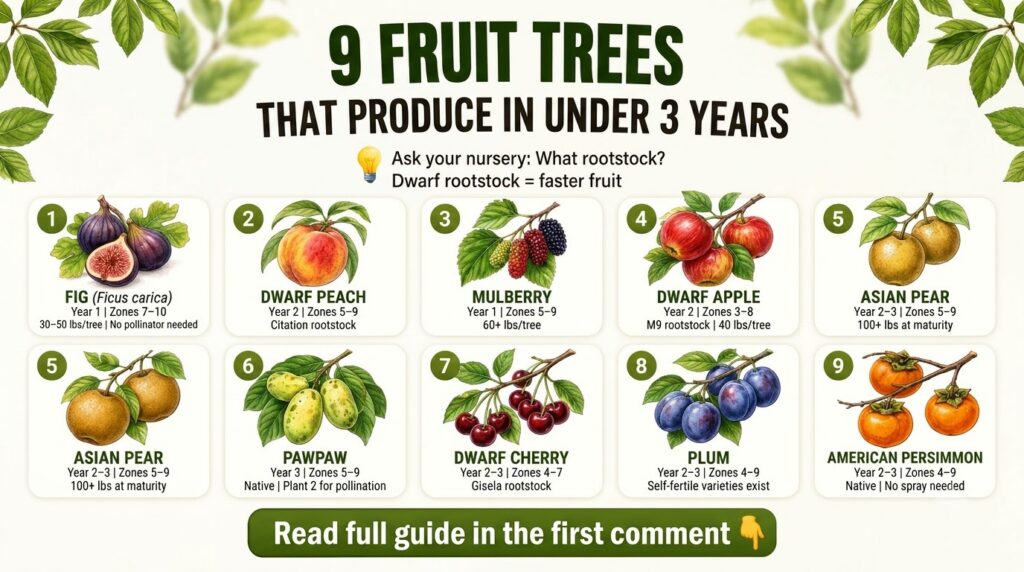
9 Fast-Fruiting Trees for Your Home Harvest
Here are nine fantastic fruit trees that will bring you a harvest in a remarkably short time, often within 1 to 3 years of planting:
1. Fig (Ficus carica)
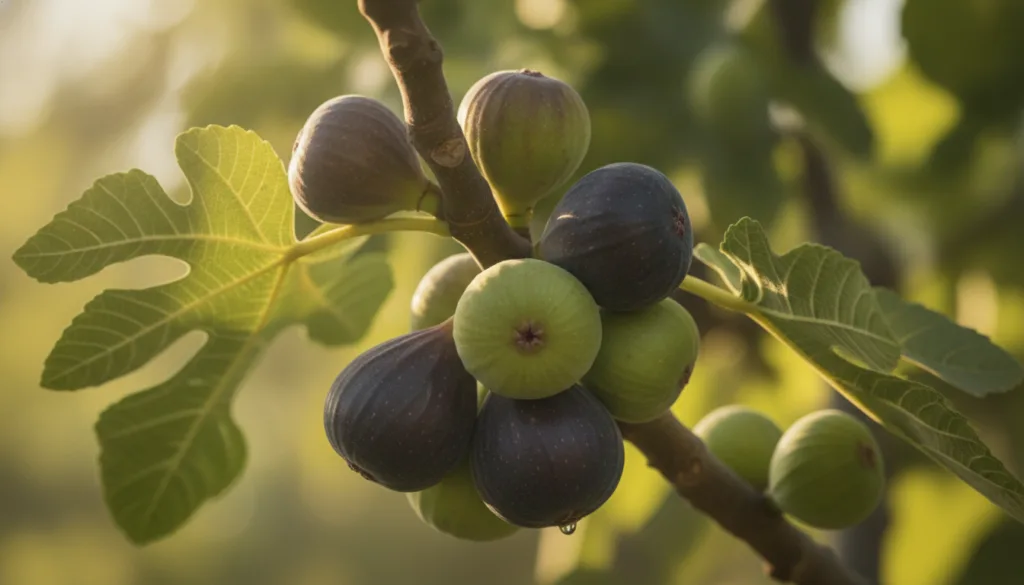
- Why it’s fast: Figs grow quickly and many varieties produce fruit on new wood, meaning even young plants can yield. Some varieties can fruit within the first year.
- Characteristics: Deciduous trees or large shrubs. Enjoy warm climates but some varieties are hardy.
- Care tip: Protect from harsh winters in cooler zones. Can be grown in containers.
2. Peach (Prunus persica)
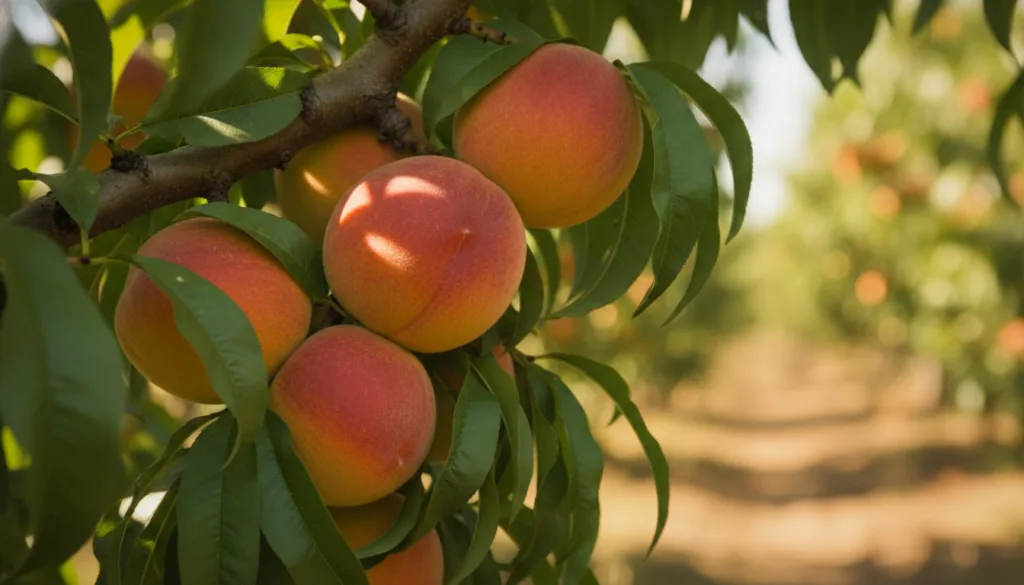
- Why it’s fast: Many peach varieties, especially dwarf ones, begin to bear fruit within 2-3 years after planting.
- Characteristics: Deciduous trees, known for their sweet, juicy fruit. Require a good amount of chilling hours.
- Care tip: Prune annually to maintain an open structure and encourage fruit production.
3. Dwarf Apple (Malus domestica)
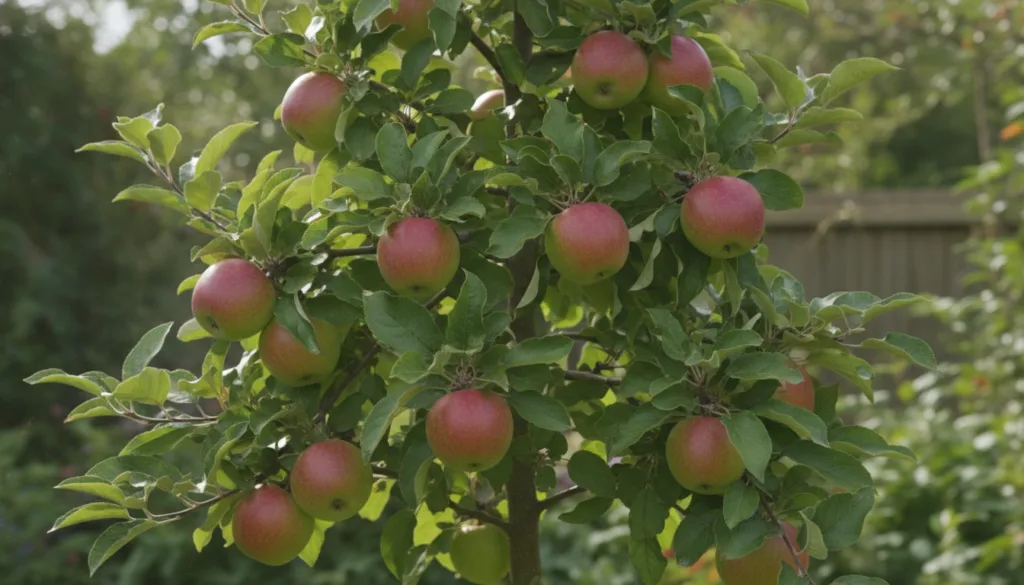
- Why it’s fast: Grafted onto dwarfing rootstock, these trees focus energy on fruit production rather than excessive vegetative growth, often fruiting in 2-3 years.
- Characteristics: Much smaller than standard apple trees, making them suitable for containers or small spaces.
- Care tip: Most apple varieties require a pollinator, so plant at least two different varieties for best results.
4. Dwarf Cherry (Prunus avium/cerasus)
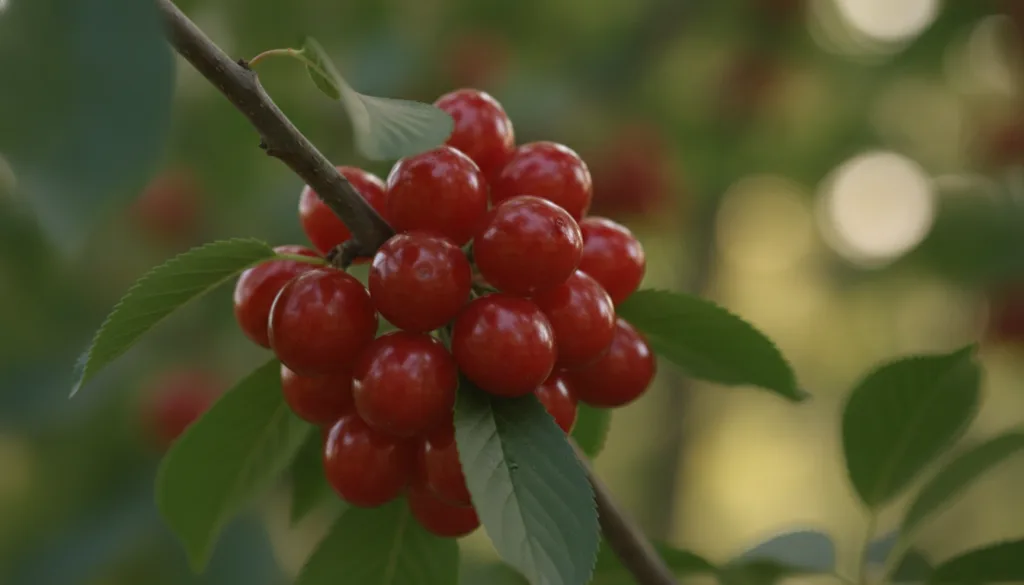
- Why it’s fast: Similar to dwarf apples, dwarf cherry trees (sweet or sour) can start producing in 2-3 years due to their rootstock.
- Characteristics: Compact size, delicious fruit. Sour cherries are generally more cold-hardy and self-pollinating.
- Care tip: Protect from birds as fruit ripens, as they are often cherry lovers too!
5. Mulberry (Morus spp.)
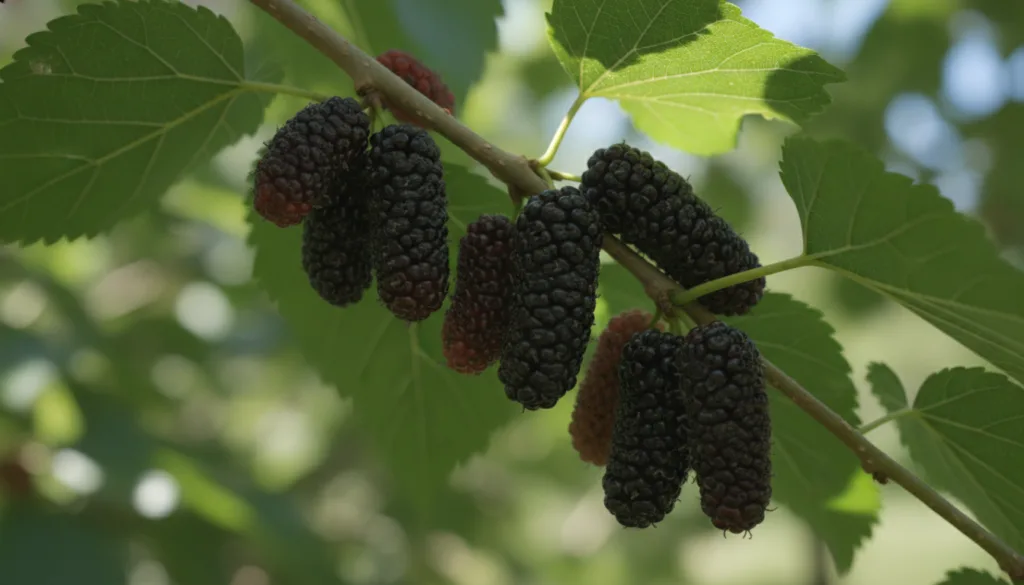
- Why it’s fast: Mulberries are vigorous growers and often produce fruit in their first 1-2 years.
- Characteristics: Resilient, adaptable trees that tolerate a range of soil conditions. Fruit resembles elongated blackberries.
- Care tip: Can grow quite large if not pruned, so choose a suitable location. The fruit can stain, so consider proximity to pathways.
6. Passion Fruit (Passiflora edulis)
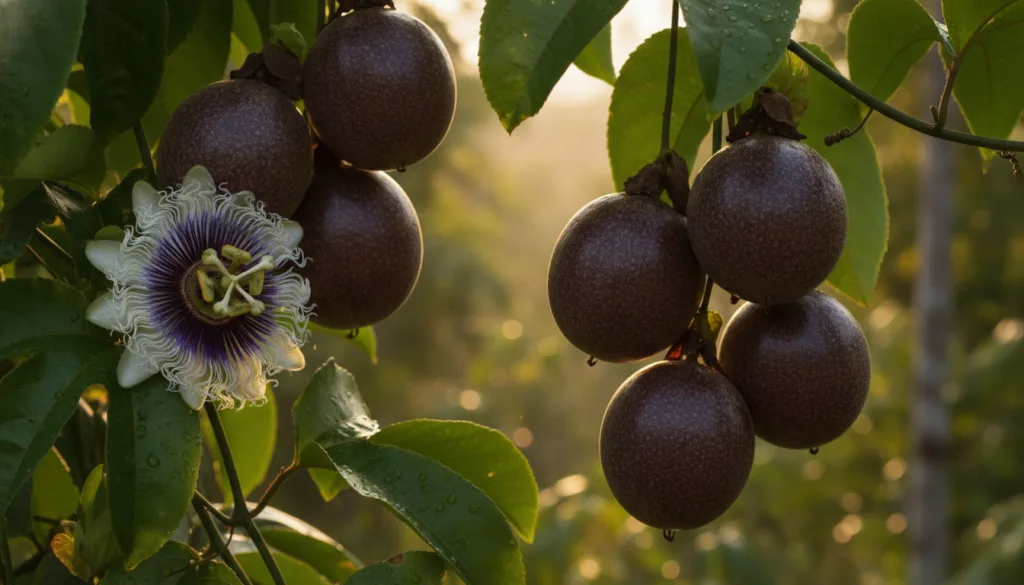
- Why it’s fast: While technically a vine, passion fruit is incredibly fast-growing and can produce fruit within 6-12 months in ideal, warm climates.
- Characteristics: Tropical vine that requires a trellis or support. Produces fragrant flowers followed by distinctive purple or yellow fruit.
- Care tip: Needs full sun, consistent moisture, and protection from frost.
7. Raspberry (Rubus idaeus)
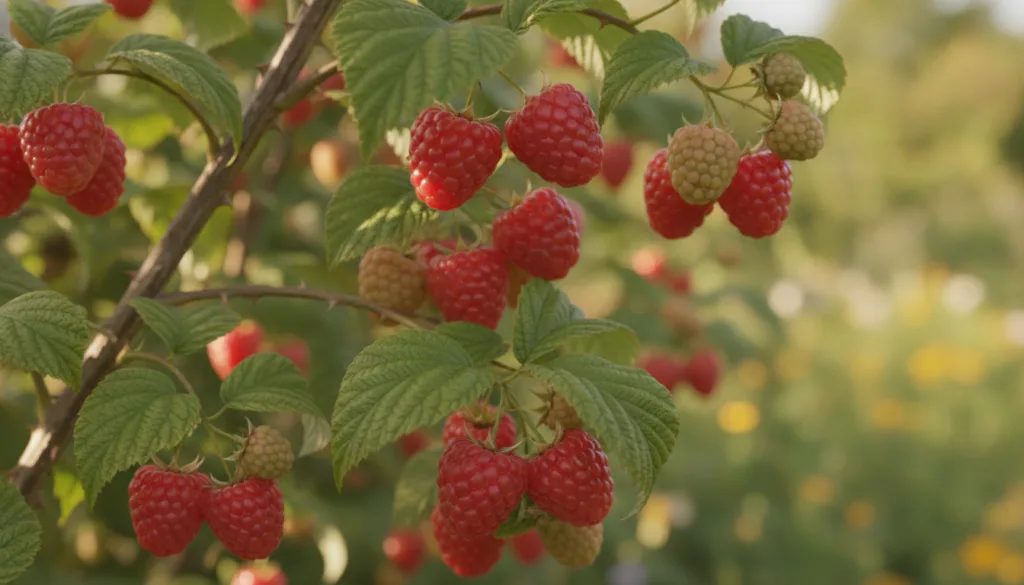
- Why it’s fast: Many raspberry varieties, especially “ever-bearing” or “fall-bearing” types, can produce fruit in their first year.
- Characteristics: Canes grow rapidly and are often supported by trellises. Delicious berries are perfect for fresh eating or preserves.
- Care tip: Plant in full sun with good air circulation. Prune old canes after they fruit to encourage new growth.
8. Lemon (Citrus limon)
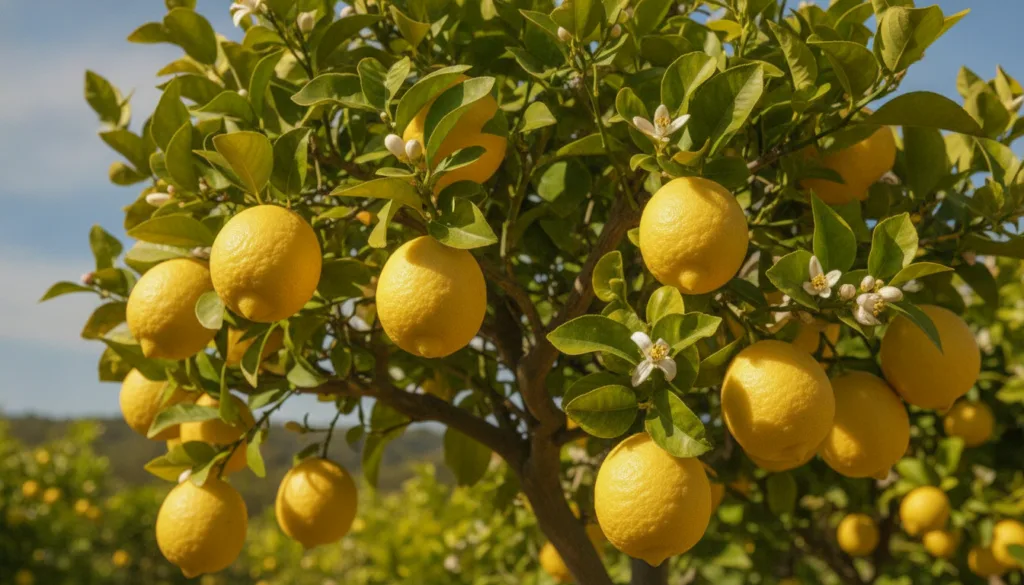
- Why it’s fast: Dwarf lemon trees, especially varieties like ‘Meyer’, are known for fruiting quickly, often within 1-2 years, and can even be grown indoors in cooler climates.
- Characteristics: Evergreen trees, producing fragrant blossoms and tangy fruit. Thrive in warm, sunny conditions.
- Care tip: Provide consistent watering and regular feeding. Bring indoors during winter in cold regions.
9. Pomegranate (Punica granatum)
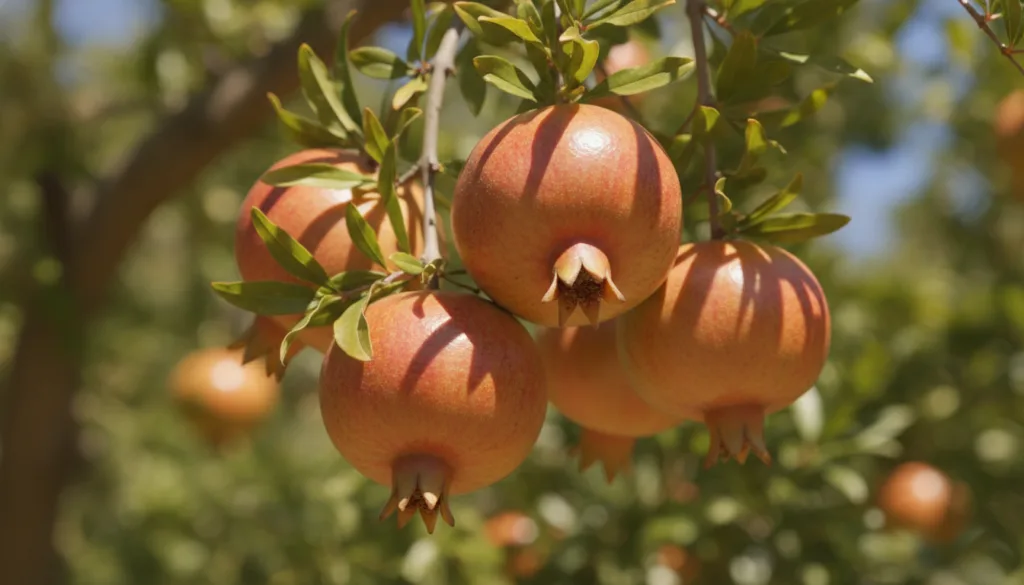
- Why it’s fast: Pomegranate trees can start producing fruit within 2-3 years, especially from well-established saplings.
- Characteristics: Deciduous shrubs or small trees, known for their vibrant flowers and unique, antioxidant-rich fruit. Drought-tolerant once established.
- Care tip: Requires full sun and well-draining soil. Prune to maintain shape and encourage airflow.
Expert Gardening Tips for Faster Fruit Production
- Choose the Right Rootstock: For many fruit trees (apples, cherries, pears), choosing a tree grafted onto a dwarfing or semi-dwarfing rootstock is key to faster fruiting and a more manageable size.
- Prioritize Soil Health: A rich, well-draining soil full of organic matter provides the best foundation for rapid growth and fruit production. Regularly amend with compost.
- Consistent Watering: Young trees need consistent moisture, especially during dry spells, to establish strong roots and develop fruit. Avoid letting them dry out completely or sit in soggy soil.
- Balanced Fertilization: Use a balanced organic fertilizer in spring, avoiding excessive nitrogen, which promotes leafy growth at the expense of fruit. Follow product instructions carefully.
- Sunlight is King: Ensure your fruit trees receive at least 6-8 hours of direct sunlight daily. More sun usually means more fruit.
- Strategic Pruning: While severe pruning can delay fruiting, light formative pruning in the first few years helps establish a strong scaffold and open structure, promoting air circulation and light penetration which are vital for fruit set. Remove dead, diseased, or crossing branches.
- Protect Young Trees: Guard against pests, diseases, and harsh weather. Use tree guards to protect trunks from rodents or mowers.
- Pollination Awareness: Understand if your chosen variety is self-pollinating or requires a companion tree for cross-pollination. This is crucial for fruit set.
- Mulch, Mulch, Mulch: A good layer of organic mulch helps retain moisture, regulate soil temperature, and suppresses weeds, all contributing to less stress and better growth for your tree.
Common Mistakes to Avoid When Growing Fast-Fruiting Trees
- Planting Too Deep: This is one of the most common errors. Planting a tree too deep can suffocate roots and lead to trunk rot, severely stunting growth and delaying fruit. The root flare should always be visible at or slightly above soil level.
- Inconsistent Watering: Young trees are vulnerable to drought stress. Irregular watering leads to poor root development, delayed growth, and even fruit drop if it occurs during fruiting stages.
- Over-Fertilization, Especially Nitrogen: While trees need nutrients, too much nitrogen encourages lush leafy growth (vegetative growth) at the expense of flowering and fruiting. Opt for balanced fertilizers or those higher in phosphorus and potassium for fruit production once established.
- Ignoring Pest and Disease Control: Fast-fruiting trees are still susceptible to common garden pests and diseases. Neglecting early signs can quickly lead to weakened trees and reduced yields. Regular inspection and organic pest control methods are key.
- Improper Pruning: While some pruning is beneficial, excessive or incorrect pruning (e.g., removing too much fruiting wood) can delay or reduce your harvest. Research the specific pruning needs of your tree type.
- Planting in Poor Soil: Compacted, waterlogged, or nutrient-poor soil will hinder root development and overall tree vigor, preventing your tree from reaching its fast-fruiting potential.
- Not Providing Support (for some): Some dwarf varieties or vines like passion fruit may benefit from staking or trellising, especially in windy areas, to prevent damage and ensure strong upright growth.
Seasonal Care for Your Fast-Fruiting Trees
Spring
- Pruning: Perform any necessary dormant pruning before new growth emerges. Shape your tree, remove dead or diseased branches, and encourage an open canopy.
- Fertilizing: Apply a balanced, slow-release organic fertilizer as new growth begins.
- Pest & Disease Watch: Begin scouting for early signs of pests and diseases. Apply dormant oil sprays if needed before bud break.
- Watering: Ensure consistent moisture as temperatures rise and the tree begins to leaf out and flower.
Summer
- Watering: This is critical, especially during dry spells and as fruits develop. Deep watering is essential.
- Thinning Fruit: For some trees (peaches, apples), thinning excess fruit allows the remaining fruit to grow larger and develop better flavor, and prevents limb breakage.
- Pest & Disease Management: Continue monitoring and address any issues promptly using organic methods.
- Support: Check stakes and ties, adjust as the tree grows.
Autumn
- Harvest: Enjoy the fruits of your labor! Harvest fruit as it ripens.
- Clean Up: Rake up fallen leaves and fruit to remove potential overwintering sites for pests and diseases.
- Watering: Continue watering until the first hard frost, especially for evergreens or newly planted trees.
- Mulching: Refresh mulch layer to prepare for winter.
Winter
- Dormant Pruning: For most deciduous trees, late winter (while dormant) is the ideal time for structural pruning.
- Winter Protection: For younger or less hardy trees, consider wrapping trunks or providing temporary shelter in extremely cold regions.
- Pest & Disease Control: Consider dormant oil sprays to target overwintering pests and fungal spores.
- Watering (evergreens): Evergreen fruit trees (like citrus) still need occasional watering during dry winter periods.
Frequently Asked Questions About Fast-Fruiting Trees
How quickly will my fruit tree actually produce fruit?
Most of the trees listed can produce within 1-3 years. Factors like climate, specific variety, care, and whether it’s grown from seed vs. nursery stock will influence the exact timeline.
Can I grow fast-fruiting trees in containers?
Absolutely! Many dwarf varieties of peaches, apples, cherries, lemons, and even figs are excellent candidates for container gardening, especially in climates where they need to be moved indoors for winter.
How much sunlight do fast-fruiting trees need?
Most fruit trees require a minimum of 6-8 hours of direct sunlight per day to produce a good harvest. More sun usually equals more fruit.
What’s the best way to fertilize young fruit trees?
Use a balanced organic fertilizer in spring as new growth begins. Avoid high-nitrogen fertilizers that promote leaves over fruit. Follow product instructions and avoid over-fertilizing.
Do these trees require special pruning techniques?
While specific techniques vary by tree type, basic formative pruning to establish a strong structure, remove dead/diseased wood, and encourage an open canopy is beneficial for all. Avoid heavy pruning on young trees if your goal is fast fruiting.
What if my tree isn’t fruiting after a few years?
Check for proper sunlight, pollination requirements (if applicable), adequate watering and nutrition, and signs of stress or disease. Sometimes, patience is also key, as some trees might take a little longer than average.
Are “fast-fruiting” trees less hardy or more prone to disease?
Not necessarily. Their fast-fruiting nature is often due to genetic traits or specific rootstocks. Their hardiness and disease resistance depend on the specific variety and how well it’s suited to your climate.
Can I start these from seed for a quicker harvest?
Generally, no. Starting fruit trees from seed takes significantly longer to fruit (often 5+ years) and the resulting tree may not be true to the parent variety. For fast fruiting, always purchase grafted trees or well-established saplings from a reputable nursery.
How often should I water my newly planted fruit tree?
For the first few weeks, check the soil daily and water whenever the top 2-3 inches feel dry. After establishment, water deeply once or twice a week, adjusting for rainfall and temperature.
Do I need to thin the fruit on fast-fruiting trees?
For many stone fruits (peaches, nectarines) and apples, thinning fruit can be beneficial, especially on young trees. It helps prevent limb breakage, encourages larger, tastier fruit, and can prevent biennial bearing (fruiting only every other year).
Conclusion
Growing your own fruit trees doesn’t have to be a long-term waiting game. By choosing the right varieties and providing attentive care, you can enjoy the bounty of a home orchard much sooner than you might expect. From the sweet indulgence of a fresh fig to the tangy zest of a homegrown lemon, the satisfaction of harvesting your own fruit is a truly rewarding experience.
Remember, gardening is a journey of learning and discovery. Don’t be afraid to get your hands dirty, observe your trees closely, and adapt your care as they grow. With this guide, you have the knowledge to cultivate a thriving, fast-fruiting orchard that will bring you delicious harvests for years to come. Happy planting, and may your baskets soon be overflowing!