There is a special kind of satisfaction in walking into the garden and realizing the flowers came back on their own.
Not because you bought new trays. Not because you spent a whole weekend replanting. But because last season’s blooms quietly dropped seed, rested through the cold or dry months, and returned when conditions were right. That is the quiet magic of self-seeding flowers.
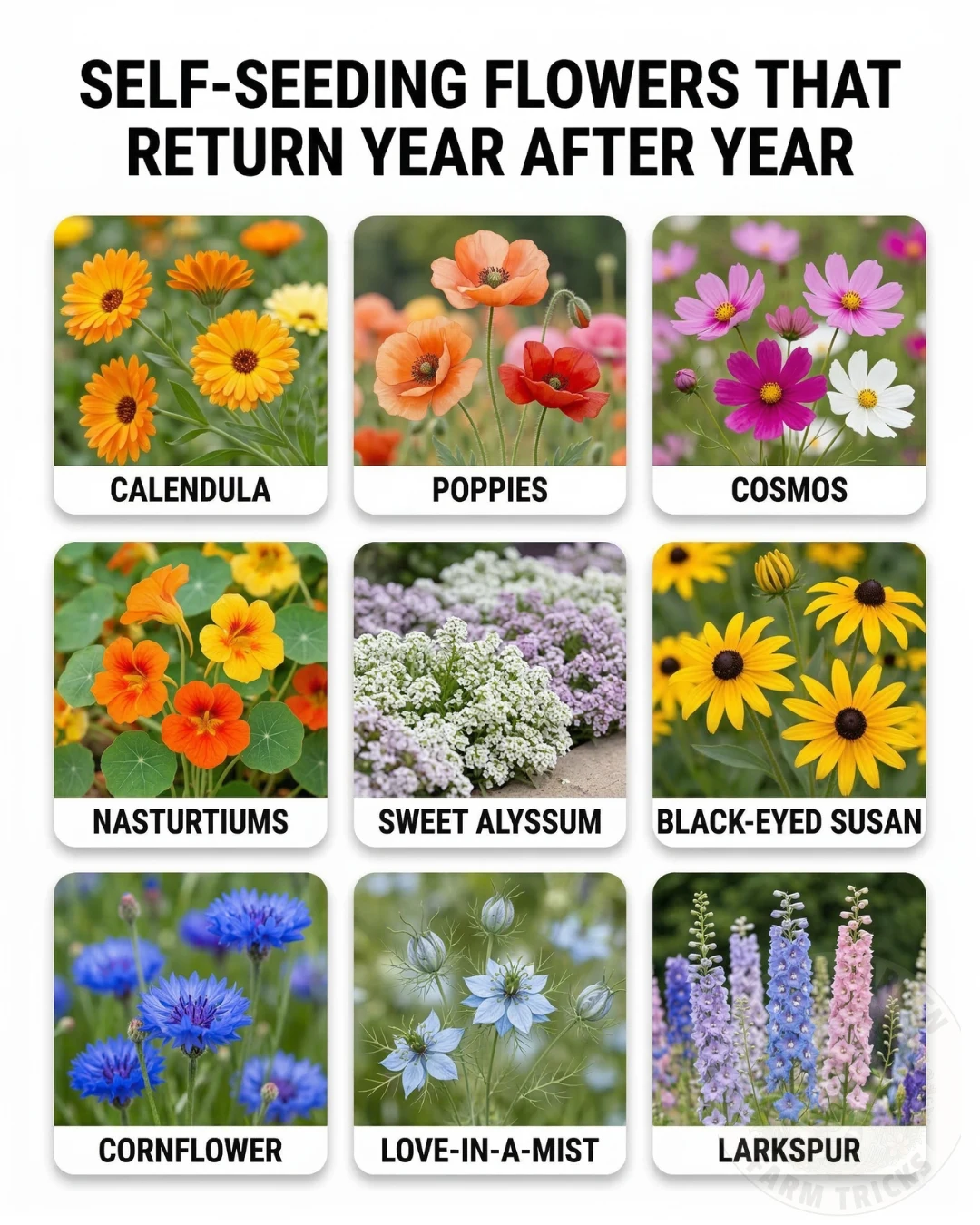
There are 9 favorites that gardeners love for exactly this reason: calendula, poppies, cosmos, nasturtiums, sweet alyssum, black-eyed Susan, cornflower, love-in-a-mist, and larkspur. These flowers do more than decorate a bed. They reduce planting work, support pollinators, soften bare soil, and help turn an ordinary space into a living system that becomes more beautiful with time.
For home gardeners, homesteaders, and small farmers, self-seeding flowers are one of the smartest ways to build a more resilient landscape. They save effort, attract beneficial insects, and fit beautifully into a wider routine of practical garden care, soil stewardship, and sustainable farm management.
Let’s talk about how they work, why they matter, and how to use them wisely.
What Self-Seeding Flowers Actually Do
A self-seeding flower completes its bloom cycle, forms seed, drops or scatters those seeds naturally, and then produces new plants the following season without you having to sow them again by hand.
That does not mean they return in the exact same spot every year. In fact, part of their charm is that they often shift slightly, filling open soil, tucking into edges, and creating a softer, more natural look. Some years you will get more seedlings, some years fewer. Weather, mulch, soil disturbance, rainfall, and even bird activity all affect how many return.
But when you work with them instead of against them, self-seeders can become one of the most practical tools in a low-maintenance flower garden.
Why Gardeners and Small Farmers Love Self-Seeding Flowers
There are obvious reasons people love them: they save time, reduce replanting, and create long seasons of color. But their value goes deeper than that.
Self-seeding flowers help with:
- pollinator support
- beneficial insect activity
- soil coverage
- reduced weed pressure in some areas
- more natural-looking borders and beds
- lower yearly input costs
For growers who also keep chickens, ducks, or other small livestock, flower-rich areas can improve the whole farm environment. Bees and hoverflies support fruiting crops. Flower edges soften the landscape around coops and gardens. Some flowers even become useful companion plants near vegetables.
In other words, self-seeding flowers are not just pretty. They are productive beauty.
The Best Self-Seeding Flowers
Calendula
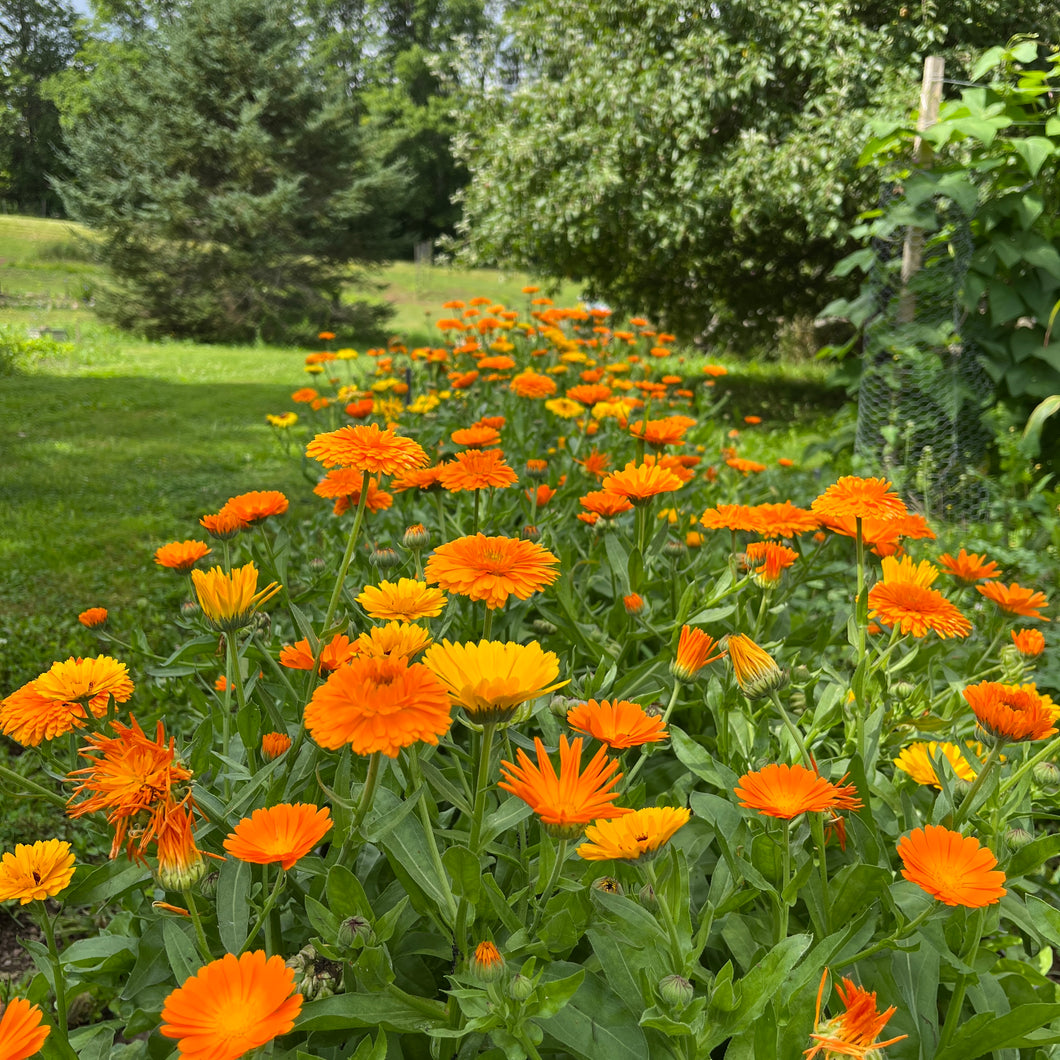
Calendula is one of the most generous flowers you can grow. It blooms for a long stretch, reseeds willingly, and brightens beds with warm orange and yellow tones.
It is especially useful for beginner gardeners because it gives clear results without much fuss. Calendula also fits well in kitchen gardens, cottage borders, and pollinator patches.
Practical tip: Let some flower heads dry fully on the plant at the end of the season instead of deadheading everything.
Poppies
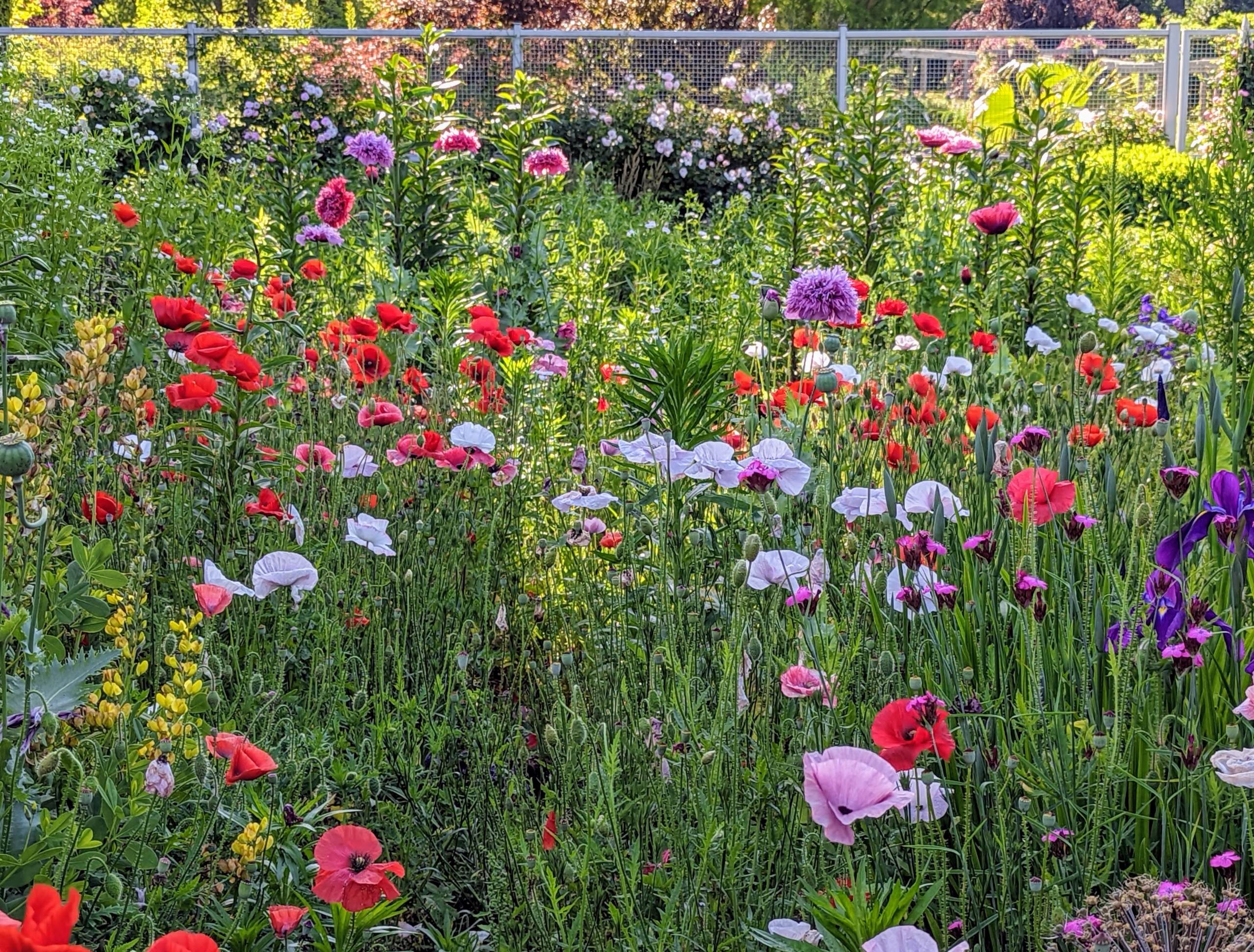
Poppies are one of the classic self-seeders, but they do best when you understand their temperament. They prefer direct sowing and usually dislike too much root disturbance. Once happy, they often return beautifully.
They work especially well in looser, naturalistic gardens where you want airy stems and a slightly wild look.
Practical tip: Avoid heavy mulching where you want poppies to reseed. Their seeds need contact with open soil.
Cosmos
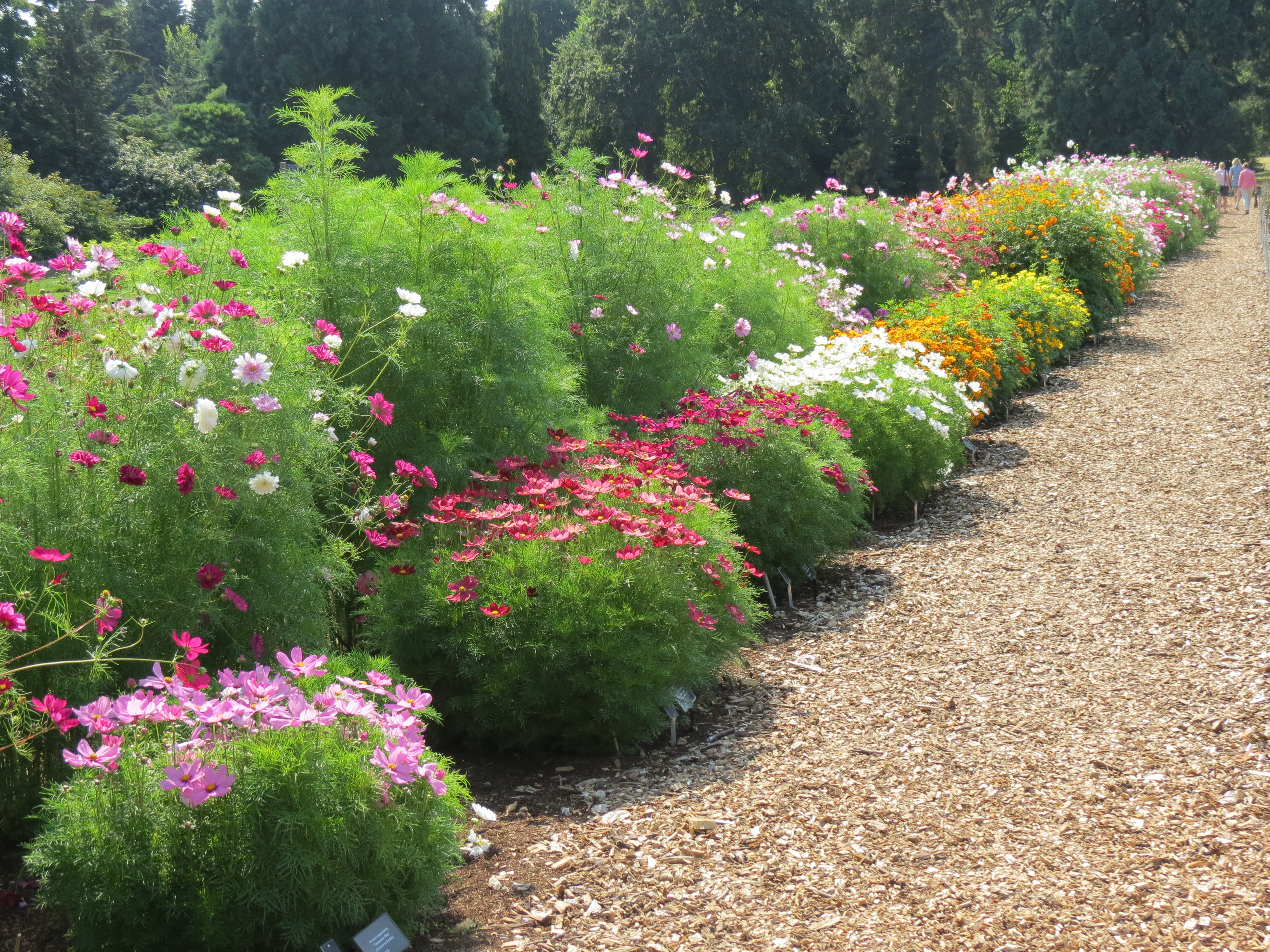
Cosmos are beloved for good reason. They are tall, cheerful, easy to grow, and very attractive to pollinators. In warm, sunny conditions, they often reseed freely and fill late-season gaps with color.
They are especially valuable in cut flower gardens and mixed borders.
Practical tip: Do not overfeed cosmos with rich fertilizer. Too much fertility can produce lots of foliage and fewer blooms.
Nasturtiums
Nasturtiums are among the most useful flowers in the garden. They are beautiful, edible, and often grown as companion plants because they can attract pests away from vegetables.
They self-seed readily in many climates, especially where winters are mild or seeds are protected.
Practical tip: Grow nasturtiums near squash, cucumbers, or brassicas, but give them enough room so they do not smother smaller plants.

Sweet Alyssum
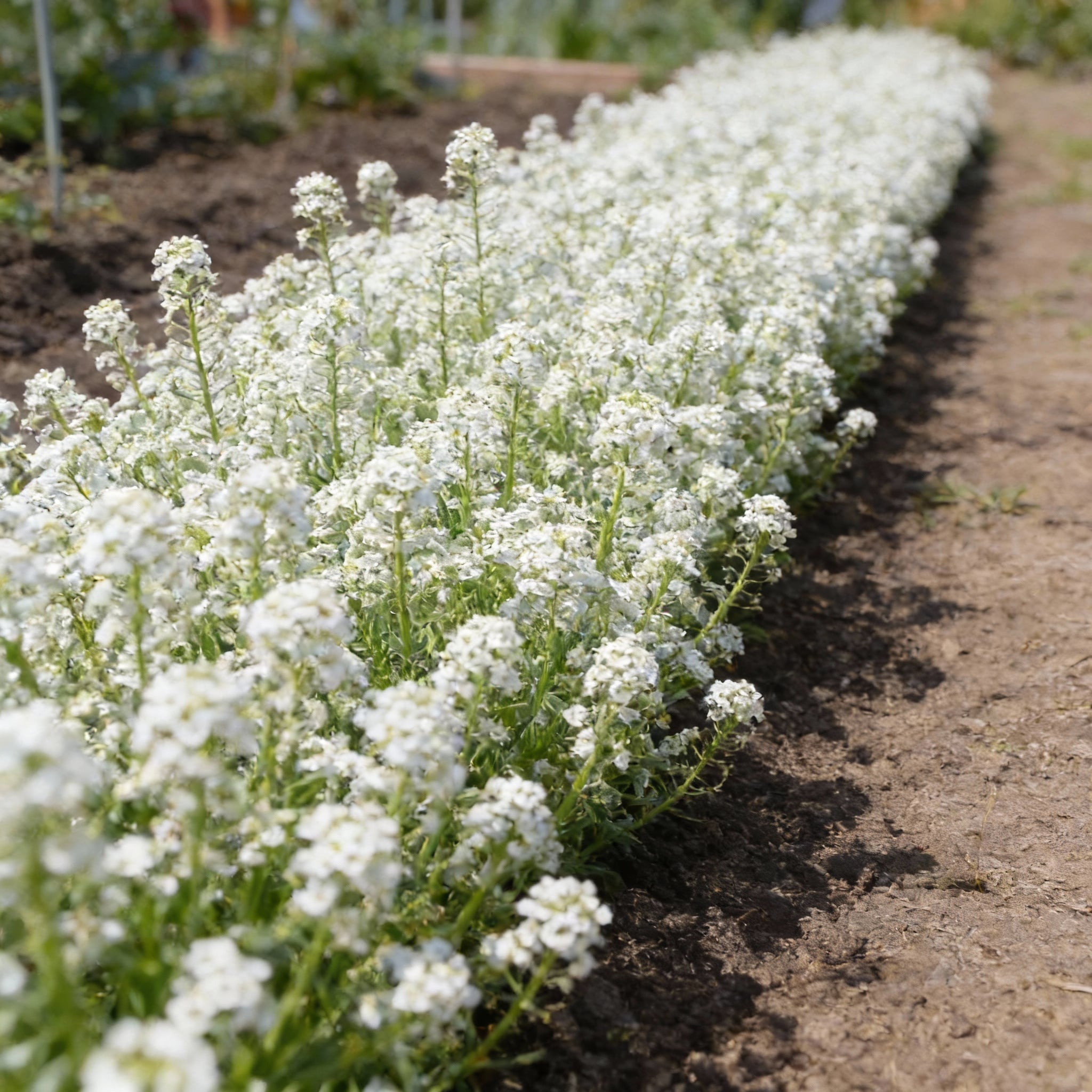
Sweet alyssum is one of the best flowers for beneficial insects. Its tiny blooms attract pollinators and predatory insects that help balance garden pests.
It also works beautifully along bed edges, raised beds, and between vegetables.
Practical tip: If alyssum gets leggy in heat, trim it back lightly and water well. It often rebounds and blooms again.
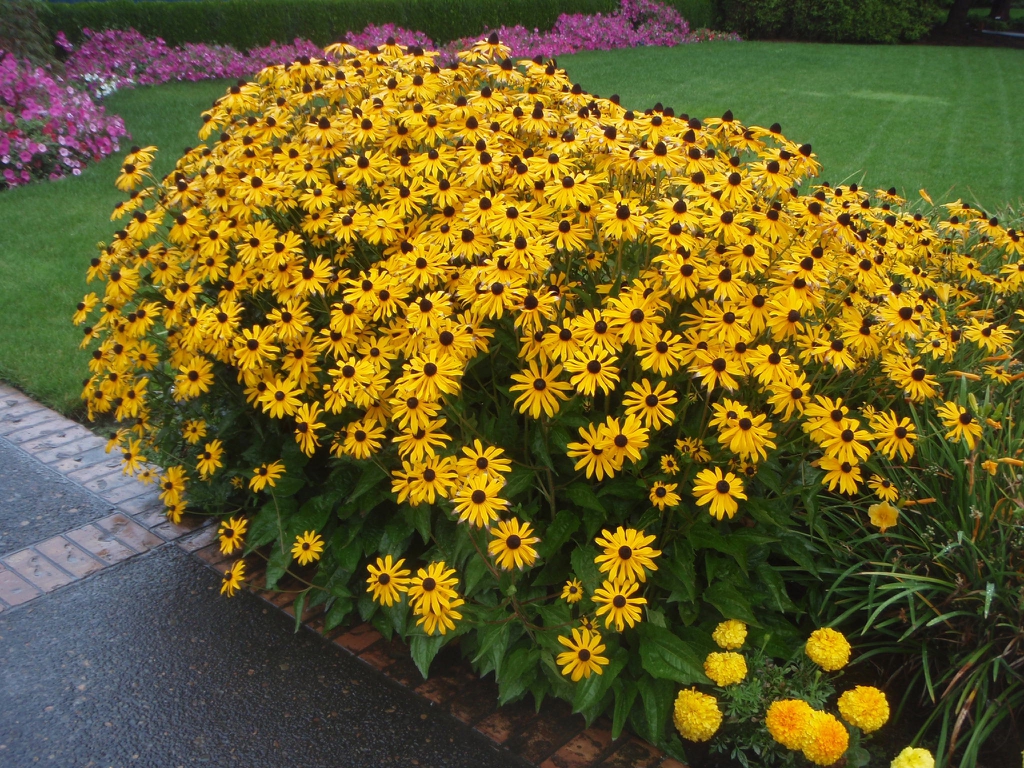
Black-Eyed Susan
Black-eyed Susan brings bold yellow color and a tougher, more meadow-like presence. Depending on the variety, it may behave as an annual, short-lived perennial, or reseeding flower.
It is an excellent choice if you want something sturdy and visible from a distance.
Practical tip: Leave some seed heads standing into late season. They feed birds and help natural reseeding.
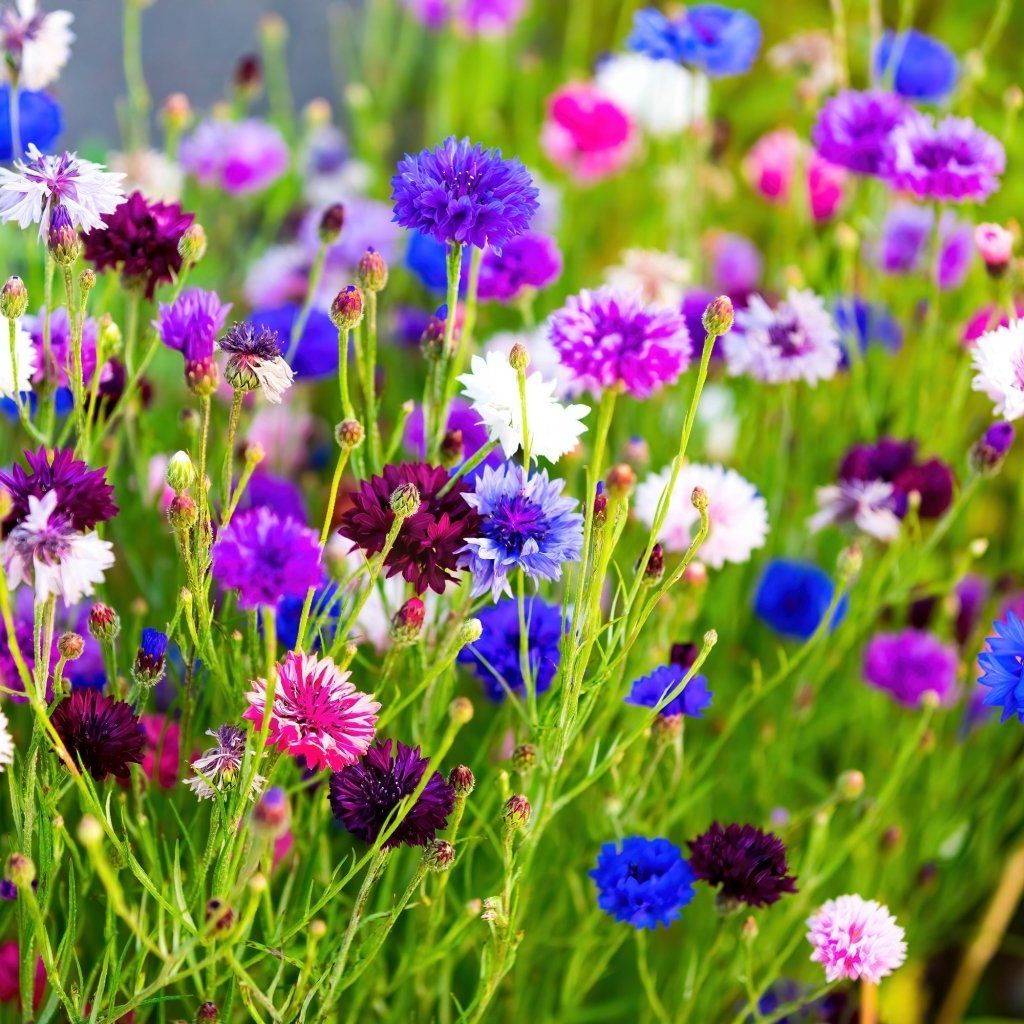
Cornflower
Cornflower, also called bachelor’s button, is one of the easiest flowers for a cottage garden feel. It reseeds well, attracts pollinators, and offers cool blue tones that are often hard to find in the garden.
It fits especially well in cutting gardens and mixed annual borders.
Practical tip: Direct sow in cooler weather if possible. Cornflowers often prefer a head start before intense heat arrives.
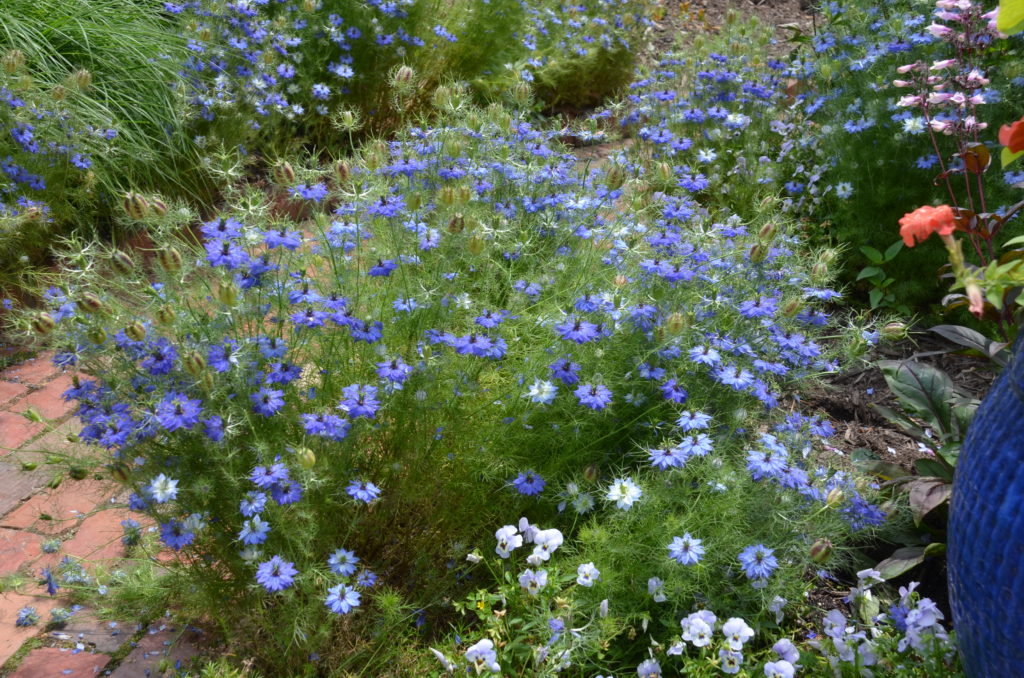
Love in a Mist (Nigella)
Love in a Mist (Nigella) is loved almost as much for its seed pods as for its flowers. The soft foliage and delicate blooms give a garden lightness, while the pods add texture after bloom.
This is one of the best flowers for gardeners who appreciate subtle beauty.
Practical tip: Once you grow it successfully, leave plenty of pods to dry naturally. It often reseeds very well when left undisturbed.
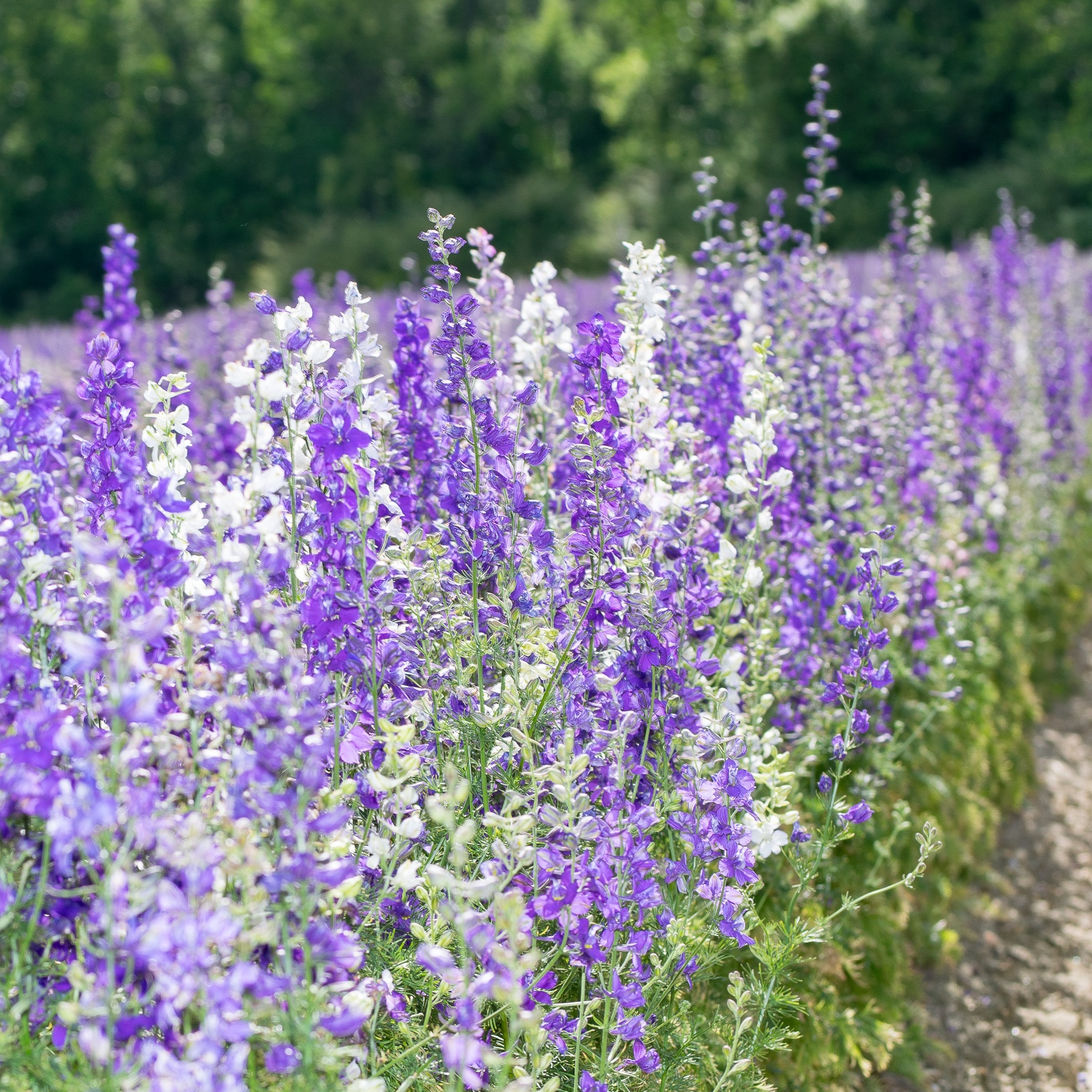
Larkspur
Larkspur gives that classic vertical cottage-garden effect. It is elegant, romantic, and particularly good in cooler seasons. Once established, it can reseed and return in waves.
It looks especially beautiful mixed with annuals and soft meadow flowers.
Practical tip: Sow or allow reseeding where the soil is not heavily disturbed. Larkspur often performs best when it gets to choose its own timing.
How to Encourage Self-Seeding Without Losing Control
This is where good gardeners become practical gardeners. The goal is not to let everything go wild without a plan. The goal is to guide the process.
Let Some Flowers Finish Naturally
If you deadhead every bloom, you remove the plant’s chance to set seed. Leave selected flowers at the end of the season.
Avoid Over-Mulching Every Inch
Mulch is useful, but a thick layer across all flower zones can prevent seeds from reaching the soil. In self-seeding areas, leave some lighter, more open patches.
Learn the Seedlings
This is one of the most valuable skills you can develop. If you know what baby cosmos or calendula seedlings look like, you will not weed them out by accident.
Disturb the Soil Lightly, Not Constantly
Some self-seeders benefit from a little open soil, but constant digging can bury seeds too deeply or disrupt young seedlings.
Thin Where Needed
If too many seedlings come up in one spot, thin them early. Overcrowding leads to weaker plants and more disease pressure.
Self-Seeding Flowers and Better Garden Ecology
These flowers do more than return. They help build a healthier growing environment.
More flowers mean:
- more pollinators for fruiting crops
- more beneficial insects near vegetables
- better biodiversity
- less visual emptiness in shoulder seasons
That matters in practical food production too. A vegetable garden bordered with alyssum, calendula, nasturtiums, and cosmos is often more alive and more balanced than a plain block of crops.
Self-seeders can also soften the edge between productive and ornamental space, which makes a garden feel less like a work zone and more like a place you want to be.
What This Means for Poultry, Livestock, and Farm Care
If you keep chickens, ducks, or other small livestock, self-seeding flowers can still serve a role, just not always inside active animal zones.
Near coops, barns, and fenced garden edges, flowers can:
- support pollinators
- improve the visual environment
- stabilize less-trafficked soil
- attract beneficial insects near crops
Just protect young seedlings from scratching poultry if needed. Chickens, especially, can destroy a beautifully reseeded patch in one determined afternoon.
The broader lesson is this: healthy farm care is not only about feed, fencing, and chores. It is also about creating a landscape that supports life. Flowers, soil, insects, crops, and animals all interact more than many people realize.
A Simple Plan for Starting a Self-Seeding Flower Garden
If you are new to this, do not plant all nine at once unless you have space and time to observe them.
Start with:
- Calendula for easy success
- Cosmos for height and long bloom
- Sweet alyssum for edging and beneficial insects
- Cornflower or poppies for a cottage-garden touch
Watch where they thrive. Notice which ones reseed well in your conditions. Then expand.
That is how confident gardeners grow—not by doing everything at once, but by paying attention and building season by season.
Final Thoughts: Plant Once, Learn Every Year
Self-seeding flowers reward a gardener in two ways.
First, they give you beauty with less yearly effort.
Second, they teach you how living systems renew themselves when given the chance.
That is a powerful lesson for any garden or small farm.
When you stop over-controlling every inch, leave room for seed to fall, and learn to recognize what returns, your space begins to feel less like something you constantly force into shape and more like something you steward.
And that shift changes everything.
You spend less time starting from scratch.
You build stronger pollinator support.
You reduce costs.
You deepen your understanding of seasons, timing, and plant behavior.
That is the kind of gardening that lasts.
So let a few blooms dry. Leave some seed heads standing. Watch what comes back. And let the garden teach you that sometimes the smartest work you do is the work that makes next year easier.