The reason this DIY keeps spreading is simple. The ingredients are cheap, easy to find, and they sound powerful. Aspirin is linked with exfoliation, and lemon is often associated with brighter-looking skin.
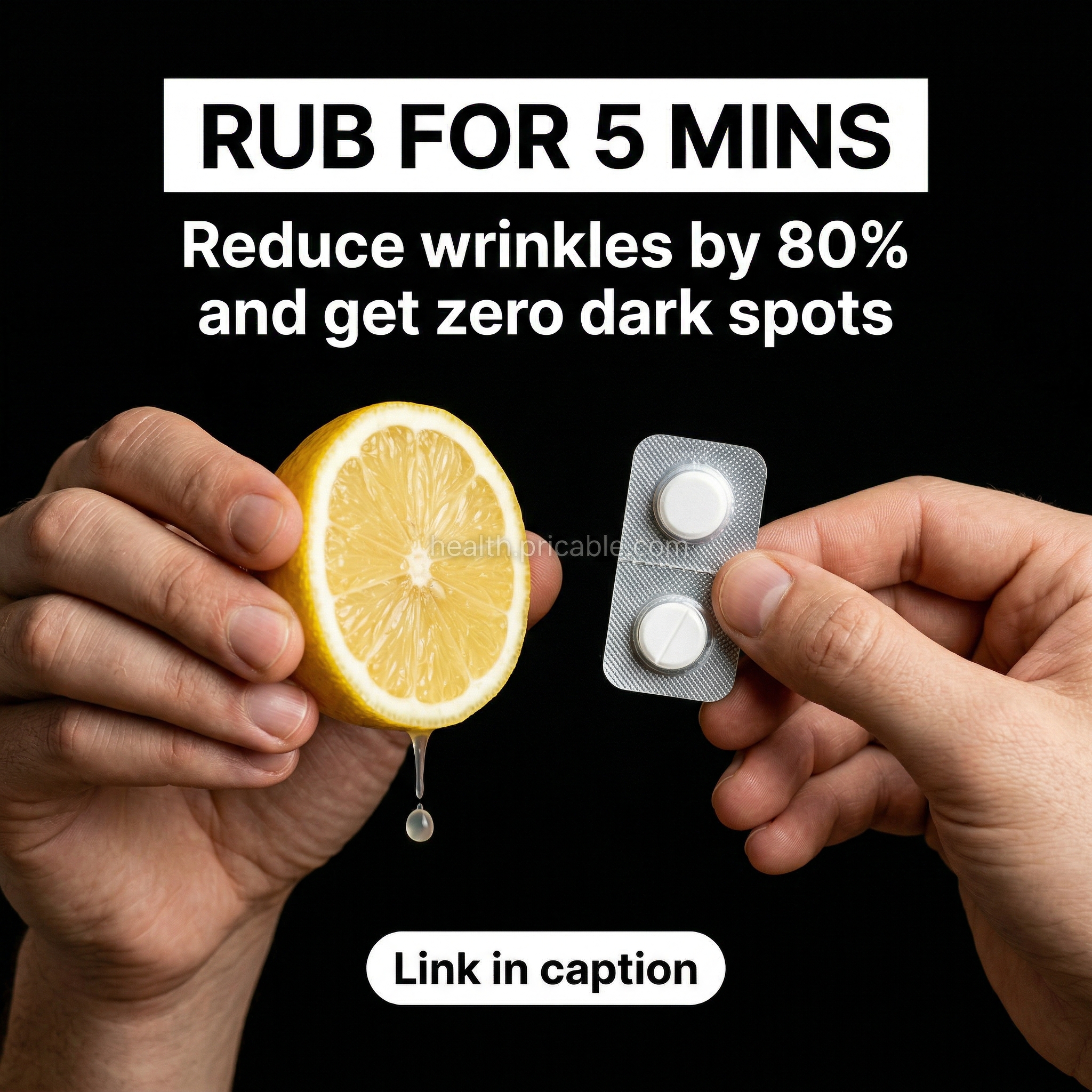
So does aspirin and lemon for wrinkles actually help? In some cases, it may leave skin feeling smoother and looking a little fresher temporarily. But it is not a magic eraser, and the way you use it matters a lot.
The Gentle Reality Check
This viral rub can sometimes make skin look more polished for a short time because it exfoliates the surface. That can make rough patches look softer and dull skin look brighter.
What it usually cannot do is erase deep wrinkles, remove every dark spot, or transform mature skin in one session. It can also irritate sensitive skin fast, especially because lemon is acidic and aspirin-based DIY mixes can be harsh.
That means the viral idea is not completely random, but it needs realistic expectations, a lighter hand, and much better safety habits than most social posts mention.
Why It Seems to Work
- Surface exfoliation: Crushed aspirin is often used in DIY skincare because it can help loosen dead skin buildup.
- Brighter appearance: Lemon juice may make skin look fresher at first because it cuts through surface oil and dullness.
- Smoother feel: A short rub can temporarily smooth rough texture, especially on dry, flaky areas.
- Short-term glow: After rinsing, skin may reflect light better, which can make fine lines look less obvious for a few hours.
- Better product absorption: If used very gently and not too often, exfoliation can help moisturizer sit better on the skin afterward.
How the Viral Aspirin and Lemon Rub Is Usually Made
Most versions of the trend use plain uncoated aspirin tablets and fresh lemon juice. Some people also add honey, yogurt, or aloe vera to reduce the harsh feel.
Basic Viral Mix
- 2 plain uncoated aspirin tablets
- 1 to 2 teaspoons fresh lemon juice
- Optional: 1 teaspoon honey or aloe vera gel for a gentler texture
How People Apply It
- Crush the aspirin into a fine powder.
- Mix with lemon juice until it forms a thin paste.
- Apply a small amount to clean skin, avoiding the eye area and broken skin.
- Massage very lightly for no more than 1 to 2 minutes if you are testing it for the first time.
- Leave it on briefly only if your skin feels comfortable.
- Rinse thoroughly and apply a bland moisturizer afterward.
The viral version often says to rub for 5 minutes. That is where many people get into trouble. Five minutes of friction plus acids can be too much, especially on thin or mature skin.
A Safer Version for Beginners
If someone still wants to try this type of DIY, a gentler version makes more sense than the aggressive viral method.
Gentler DIY Option
- 1 crushed plain aspirin tablet
- 1 teaspoon plain yogurt or aloe vera gel
- Just a few drops of lemon juice, not a full spoonful
This softer mix is less likely to sting immediately, though it can still be irritating for some skin types. For many people, skipping the lemon entirely is the smarter move.
A Better Routine If Your Real Goal Is Wrinkles and Dark Spots
If the reason you clicked is simple, you want smoother skin and fewer spots, the best long-term approach is usually boring but effective:
- A gentle cleanser that does not strip the skin
- A fragrance-free moisturizer
- Daily sunscreen
- A proven brightening or resurfacing ingredient used consistently
That may not sound as dramatic as a 5-minute hack, but it is usually a much better path for visible change over time.
Buying Guide: What to Look for Before Trying This DIY
- Plain aspirin only: Avoid flavored, coated, gel, or extra-added formulas for DIY use.
- Fresh lemon, not bottled blends: Bottled lemon products may contain preservatives or added ingredients.
- A calming base: Aloe vera gel, plain yogurt, or honey can make the mix feel less harsh.
- Simple moisturizer: Use a basic, fragrance-free cream after rinsing.
- Low-irritation cleanser: Do not pair this with a strong scrub before or after.
- Broad-spectrum sunscreen: This is essential, especially if you use lemon on skin that will see daylight.
- Patch-test supplies: A cotton swab and a small area near the jawline are enough for testing.
- No extra actives the same day: Avoid stacking this with retinoids, strong acids, or benzoyl peroxide.
Common Mistakes and Quick Fixes
- Mistake: Rubbing too hard for too long.
Quick fix: Keep contact brief and massage lightly, not aggressively. - Mistake: Using too much lemon juice.
Quick fix: Dilute it or skip it entirely if your skin is reactive. - Mistake: Applying on sensitive or broken skin.
Quick fix: Wait until the skin barrier feels calm and intact. - Mistake: Using coated or flavored tablets.
Quick fix: Choose plain uncoated aspirin only. - Mistake: Following with another exfoliant.
Quick fix: Use only moisturizer after rinsing. - Mistake: Going out in the sun right after.
Quick fix: Use it at night and wear sunscreen the next day. - Mistake: Expecting deep wrinkles to vanish.
Quick fix: Treat this as a texture experiment, not a total anti-aging plan.
Safety Note
Always patch test first. Apply a tiny amount to a small area and wait 24 hours before using it more widely.
- Avoid the eye area, lips, and any cuts or irritated patches.
- Do not use this on very sensitive, rosacea-prone, peeling, or recently treated skin.
- Do not store a lemon-based DIY mix for later use. Make it fresh and discard leftovers.
- Use sunscreen daily if you try any acidic or exfoliating treatment.
- Stop immediately if you feel burning, intense redness, or lingering irritation.
When Will You Notice Changes?
- Right away: Skin may feel smoother and look a little brighter.
- Within a few uses: Some people notice improved surface texture.
- After several weeks: Mild unevenness may look softer if the skin tolerates the routine.
- Deep wrinkles and stubborn dark spots: These usually need a longer-term plan and more consistent care.
FAQ
Does aspirin and lemon for wrinkles really work?
It may help skin feel smoother temporarily and can make dull skin look brighter, but it does not erase deeper wrinkles in one use.
Can aspirin and lemon remove dark spots?
It may improve the look of some surface discoloration over time, but it can also irritate skin and make problems worse if overused.
How often should I use an aspirin and lemon face rub?
Less is better. Many people should avoid frequent use, and beginners should test very cautiously rather than making it a regular routine.
Is it okay to leave the mix on for 5 minutes?
That is the viral claim, but many skin types will find that too harsh. A shorter contact time is usually safer.
What kind of aspirin should I buy for this DIY?
Look for plain uncoated aspirin tablets without added flavors, colors, or special coatings.
Should I use fresh lemon or bottled lemon juice?
Fresh lemon is the usual choice in DIY skincare, but even fresh lemon can be irritating. Bottled versions may contain extra ingredients that are not ideal for skin.
What should I apply after rinsing?
Use a plain, fragrance-free moisturizer and avoid layering other strong actives afterward.
Who should skip this trend entirely?
Anyone with sensitive skin, a damaged skin barrier, active irritation, eczema, rosacea, or a history of reacting badly to acids should avoid it.
Final Takeaway
- The viral rub is popular because it can leave skin looking smoother for a short time.
- It is not a miracle cure for wrinkles or dark spots.
- Lemon makes the mix much harsher, especially for sensitive skin.
- If you try it, use a gentle version, patch test first, and keep expectations realistic.
- For lasting results, daily sunscreen and a steady skincare routine usually do more than quick DIY hacks.