There’s nothing quite as disheartening as stepping into your beautiful garden only to find your beloved plants under attack by pesky invaders. Whether you’re a seasoned gardener or just starting your green journey, identifying garden pests early and knowing how to deal with them naturally is key to keeping your plants thriving. At Garden – L. Quyên, we believe in nurturing nature, and that includes protecting our plants without harsh chemicals. Let’s dive into how you can spot these unwelcome guests and send them packing the natural way!
Why Early Pest Identification Matters
Early detection is your best defense against a full-blown infestation. The sooner you identify a pest, the easier it is to control them before they cause significant damage or spread to other plants. Regular observation, even just a quick glance as you walk by, can make all the difference.
Common Signs of Pest Infestation
Pests leave behind clues. Here are some common signs to look out for:
- Holes in Leaves: A classic sign that something is munching on your plants. The size and shape of the holes can give you clues about the culprit.
- Yellowing or Stunted Growth: Pests can suck the sap out of plants, leading to discolored leaves, wilting, or overall poor growth.
- Sticky Residue (Honeydew): Aphids, whiteflies, and scale insects excrete a sugary substance called honeydew, which can attract sooty mold, turning leaves black.
- Webbing: Fine webbing on the undersides of leaves or between stems often indicates spider mites.
- Deformed Leaves or Flowers: Pests feeding on new growth can cause leaves to curl, crinkle, or flowers to develop abnormally.
- Visible Pests: Sometimes, the simplest way is to just see them! Check the undersides of leaves, along stems, and in leaf axils.
Top Garden Pests and How to Spot Them
1. Aphids
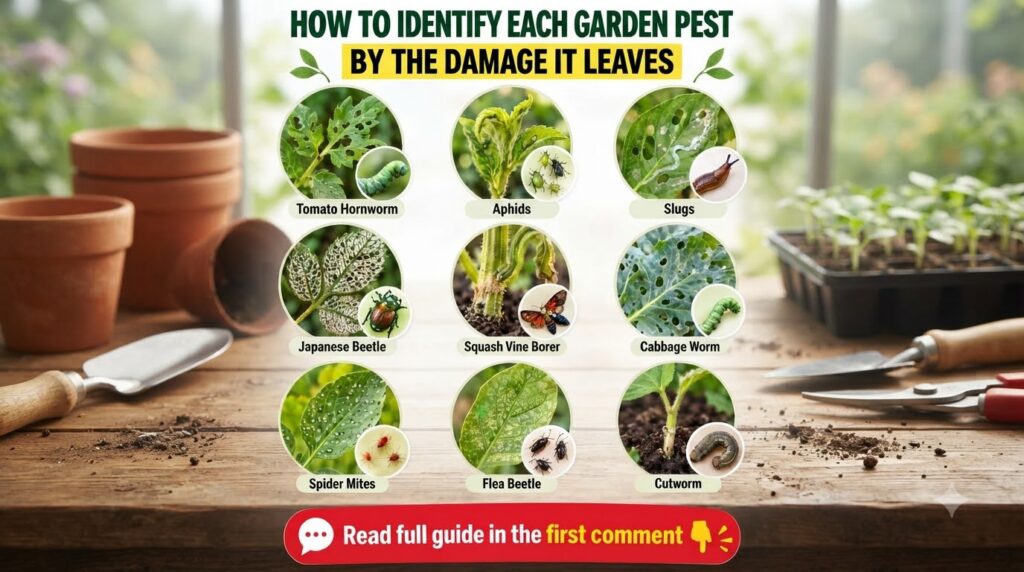
These tiny, pear-shaped insects come in various colors (green, black, red, yellow) and cluster on new growth, sucking sap. Look for sticky honeydew and curled leaves.
2. Slugs and Snails
Known for leaving silvery slime trails, these mollusks munch on leaves, especially tender seedlings. They’re most active at night or during damp weather.
3. Spider Mites
Almost microscopic, these pests create fine webbing on plants. Look for tiny yellow or brown dots on leaves, which are the result of their feeding, and a general dullness to the foliage.
4. Whiteflies
Small, white, winged insects that flutter up in a cloud when disturbed. Like aphids, they feed on sap and excrete honeydew.
5. Cabbage Worms
These green caterpillars are masters of camouflage, blending in with brassica leaves. Look for large, irregular holes in leaves and their distinctive green droppings.
6. Leaf Miners
You won’t see the larvae, but you’ll see their distinctive tunnels or ‘mines’ within the leaves as they eat their way through the plant tissue.
Natural and Organic Pest Control Strategies
Once you’ve identified your uninvited guests, it’s time to act! Here are some gentle, effective, and natural ways to get rid of them:
1. Hand-Picking
For larger pests like slugs, snails, and caterpillars, hand-picking them off your plants is incredibly effective. Do this in the early morning or evening. Drop them into a bucket of soapy water.
2. Strong Water Blasts
A strong spray of water from your hose can dislodge many soft-bodied pests like aphids and whiteflies. Make sure to spray the undersides of leaves too.
3. Insecticidal Soap
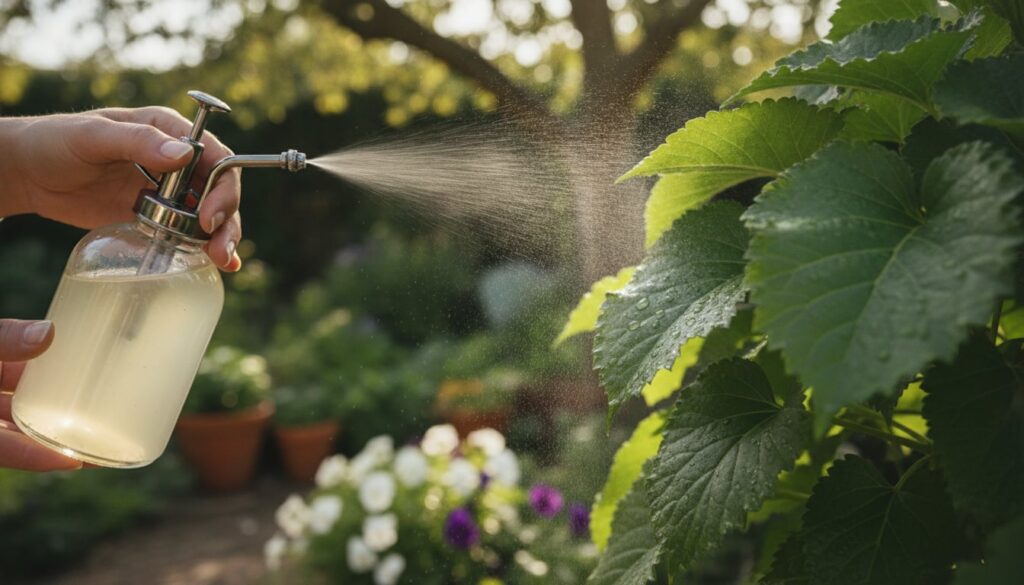
Mix a few drops of mild dish soap with water and spray directly onto pests. This suffocates them. Always test on a small part of the plant first to ensure it doesn’t cause damage.
4. Neem Oil
An organic pesticide derived from the neem tree, it acts as an anti-feedant and growth disruptor for many pests. Follow product instructions carefully.
5. Attract Beneficial Insects
Ladybugs, lacewings, and parasitic wasps are natural predators of many garden pests. Plant flowers that attract them, such as dill, cilantro, cosmos, and marigolds.
6. Companion Planting
Certain plants can deter pests. For example, planting marigolds near vegetables can repel nematodes, and garlic can deter aphids.
7. Row Covers
For very vulnerable plants, a fine mesh row cover can physically prevent pests from reaching your plants, especially during peak pest season.
Prevention is Always Best
The best pest control is prevention! Keep your garden clean, remove weeds, ensure good air circulation, and practice crop rotation to minimize pest habitats and food sources. Healthy plants are also more resilient to pest attacks.
Don’t let garden pests discourage you! With a little knowledge and consistent effort, you can keep your plants happy and healthy using natural, environmentally friendly methods. Happy gardening!