Every gardener dreams of a vibrant, thriving garden bursting with life. But sometimes, our leafy friends start sending us subtle (or not-so-subtle) messages that something isn’t quite right. Think of your plants as silent communicators, using their leaves, stems, and fruits to tell you exactly what they need. Learning to decode these signals is a superpower for any gardener, turning potential problems into opportunities for growth!
Many common plant woes stem from nutrient deficiencies in the soil. The good news? Often, the solutions are natural, simple, and readily available. Let’s explore how to read your plants’ signals and provide them with the natural remedies they crave for a flourishing garden.
Why Understanding Plant Signals Matters
Just like we feel unwell when we lack essential vitamins, plants suffer when they don’t get enough crucial nutrients. These nutrients, such as nitrogen, phosphorus, potassium, calcium, and magnesium, are vital for various plant functions, from photosynthesis to root development and fruit production. When a plant is deficient, it exhibits specific symptoms that act as clues, helping you diagnose the issue before it severely impacts your harvest or blooms.
Common Plant Signals and Their Natural Solutions
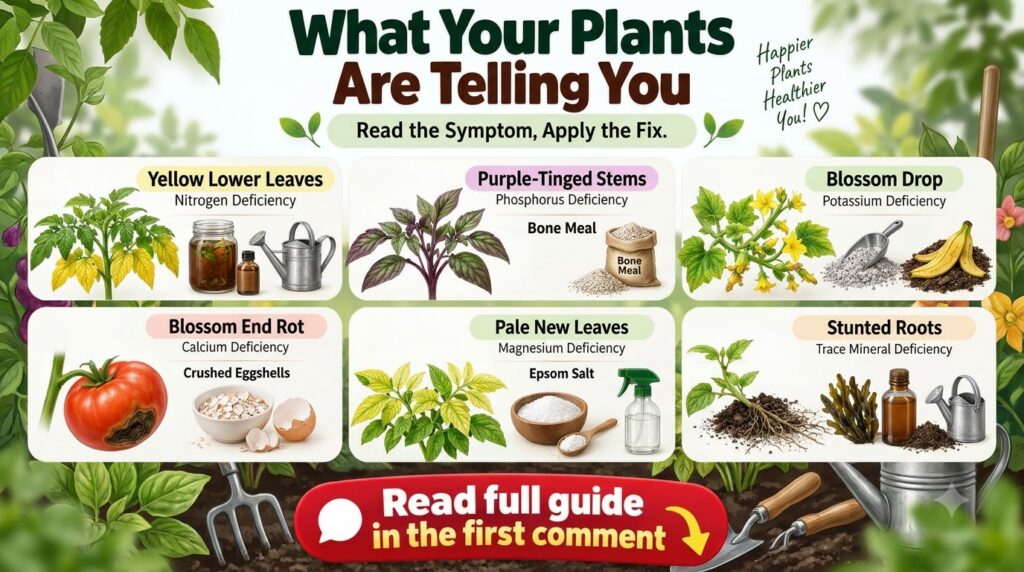
1. Yellowing Leaves: The Nitrogen Story
The Signal: If the older, lower leaves of your plant are turning uniformly yellow, especially starting at the tips and moving inward, your plant is likely shouting for nitrogen. Nitrogen is crucial for lush, green foliage and vigorous growth.
The Deficiency: Nitrogen (N)
Natural Remedies:
- Compost Tea: A fantastic all-around booster, rich in nitrogen and beneficial microbes. Soak mature compost in water for a few days, then dilute and use it to water your plants.
- Blood Meal: A fast-acting organic nitrogen source. Sprinkle lightly around the base of plants and water in.
- Coffee Grounds: Can add a gentle nitrogen boost and improve soil structure. Mix into the topsoil.
- Planting Legumes: Consider planting nitrogen-fixing cover crops like clover or beans in your garden beds during off-seasons.
2. Purple Stems and Undersides: Phosphorus Deficiency
The Signal: When plant stems, especially the undersides of leaves, develop a purplish tint, particularly in cooler weather, it often indicates a lack of phosphorus. Phosphorus is essential for root development, flowering, and fruiting.
The Deficiency: Phosphorus (P)
Natural Remedies:
- Bone Meal: A slow-release source of phosphorus and calcium. Incorporate it into the soil when planting or top-dress existing plants.
- Rock Phosphate: A natural, long-term phosphorus source. Best added to the soil in the fall or spring to allow it to break down.
- Fish Emulsion: Provides a quick boost of nitrogen, phosphorus, and potassium, plus trace elements. Dilute and apply as a foliar spray or soil drench.
3. Blossom End Rot: A Calcium Call
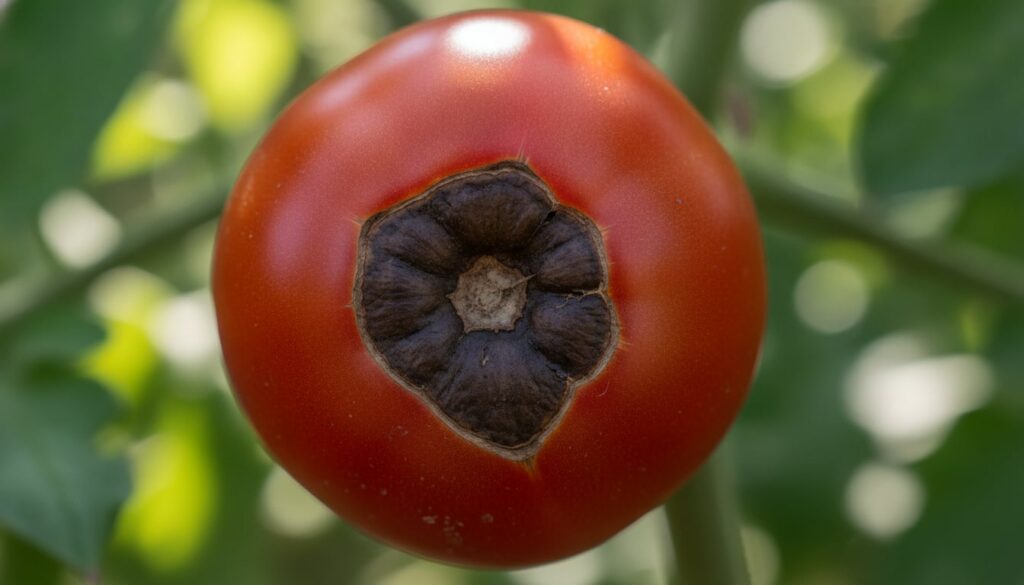
The Signal: This is most common in tomatoes, peppers, and squash. You’ll see a dark, sunken, leathery spot on the blossom end (bottom) of the fruit. This isn’t a disease but a physiological disorder caused by inadequate calcium uptake by the plant.
The Deficiency: Calcium (Ca)
Natural Remedies:
- Crushed Eggshells: A classic remedy! Wash, dry, and crush eggshells into a fine powder. Mix into the soil around affected plants. It’s a slow-release source.
- Gypsum: (Calcium Sulfate) A quicker source of calcium that also helps improve soil structure. Apply according to package directions.
- Consistent Watering: Irregular watering can hinder calcium uptake, even if calcium is present in the soil. Maintain consistent moisture levels, especially during fruiting.
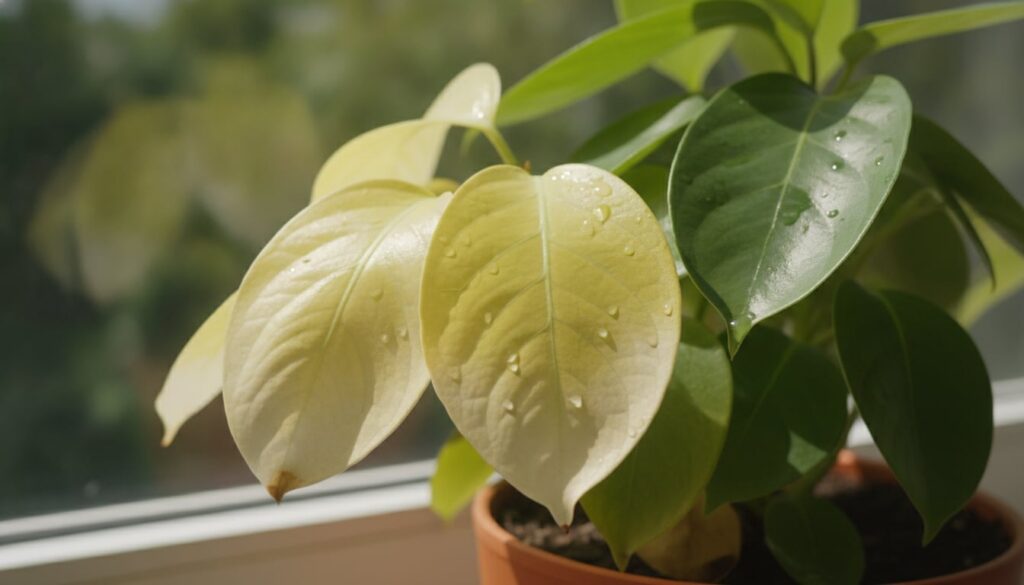
4. Pale Green or Yellowing Between Veins: Iron or Magnesium Woes
The Signal: If newer leaves turn pale green or yellow, but the veins remain dark green, your plant might be experiencing a deficiency in either iron (Fe) or magnesium (Mg). This is known as interveinal chlorosis.
The Deficiencies: Iron (Fe) or Magnesium (Mg)
Natural Remedies:
- For Magnesium: Epsom Salts (Magnesium Sulfate): Dissolve 1-2 tablespoons per gallon of water and apply as a foliar spray or soil drench.
- For Iron: Compost and Organic Matter: Improving soil health with plenty of compost often makes existing iron more available to plants. You can also use chelated iron products specifically designed for plants, following instructions carefully.
5. Stunted Growth and Weak Plants: A General Nutrient Shortage
The Signal: Overall poor growth, weak stems, small leaves, and a general lack of vigor can be a sign of a more widespread nutrient imbalance or deficiency, often potassium or a combination of several.
The Deficiency: General nutrient imbalance, possibly Potassium (K)
Natural Remedies:
- Balanced Organic Fertilizer: Apply a balanced organic fertilizer according to package directions.
- Rich Compost: Regularly amending your soil with good quality compost provides a slow, steady release of a wide array of nutrients.
- Wood Ash: A good source of potassium and other trace minerals. Use sparingly and only if your soil is not already alkaline.
- Soil Testing: The best way to know exactly what your soil is lacking is through a professional soil test.

Proactive Steps for a Healthy Garden
Prevention is always better than cure! Here are some general tips to keep your garden naturally well-fed and minimize nutrient deficiencies:
- Regular Composting: Continuously add organic matter to your soil. Compost improves soil structure, water retention, and provides a slow release of essential nutrients.
- Mulching: Apply a layer of organic mulch (like straw, wood chips, or shredded leaves) around your plants. Mulch helps retain moisture, regulate soil temperature, and breaks down over time to enrich the soil.
- Crop Rotation: Rotate your crops each season to prevent specific nutrients from being depleted in the same spot year after year.
- Balanced Watering: Consistent, deep watering is key to nutrient uptake. Avoid overwatering or letting the soil dry out completely.
- Soil Testing: For serious or recurring issues, a soil test can provide a detailed analysis of your soil’s pH and nutrient levels, guiding your amendment strategy.
Conclusion
Learning to understand your plants’ signals is one of the most rewarding skills a gardener can develop. With a little observation and some natural remedies, you can address nutrient deficiencies and cultivate a garden that is not only beautiful but also bountiful. Happy gardening, and remember, your plants are always talking – are you listening?
What are your favorite natural remedies for plant problems? Share your tips and experiences in the comments below!