Most people ignore the simple solutions right under their noses when pesky flies invade. While chemical sprays offer a quick fix, they often come with unpleasant fumes and health concerns. But what if a highly effective, natural fly trap was already sitting in your pantry, waiting to be assembled? This guide will show you how to create a powerful, non-toxic remedy that brings peace back to your home, without the harsh chemicals.
What It Is: Your Homemade Fly Trap Solution
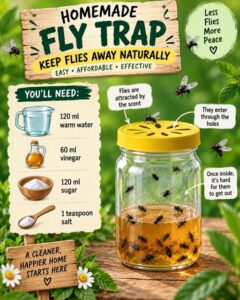
A homemade fly trap is a simple, yet highly effective device designed to lure and capture flies using a sweet-and-sour bait solution. Unlike sticky fly paper or toxic sprays, this remedy relies on common kitchen ingredients to create an irresistible attractant for common house flies and fruit flies. Once lured into the container, the design of the trap, often with a narrow opening or a funnel, prevents the flies from escaping, offering a clean, chemical-free way to manage fly populations in your living spaces.
The Essential Ingredients
The beauty of this trap lies in its simplicity. You won’t need a trip to a specialized store; everything you require is likely already in your kitchen:
- Warm Water: The base of our solution, helping to dissolve sugar and spread the scent.
- Granulated Sugar: A primary attractant for flies, providing the sweetness they crave.
- Apple Cider Vinegar: The sour, fermented scent of ACV is a powerful lure for many types of flies.
- Salt: A simple additive that can help enhance the attractant properties and potentially deter other non-target insects.
- Dish Soap (optional but recommended): A tiny drop breaks the surface tension of the liquid, ensuring flies that land on the surface sink rather than float away.
Approximate Measurements for an Effective Trap
Getting the ratios right is key to success. For a standard 16-ounce (approx. 500ml) jar, use these measurements:
- Warm Water: 1 cup (240ml)
- Granulated Sugar: 2-3 tablespoons
- Apple Cider Vinegar: 2 tablespoons
- Salt: 1 teaspoon
- Dish Soap: 1-2 drops (unscented is best)
Formula / Recipe: Crafting the Lure
This isn’t a complex chemistry experiment; it’s a straightforward mix. The combination of sweet and sour scents, along with the specific pH, mimics fermenting food, which flies find irresistible. The salt helps stabilize the mixture and potentially acts as a slight deterrent for non-target species, though its primary role is minor compared to the sugar and vinegar.
Step-by-Step Method: Setting Up Your Trap
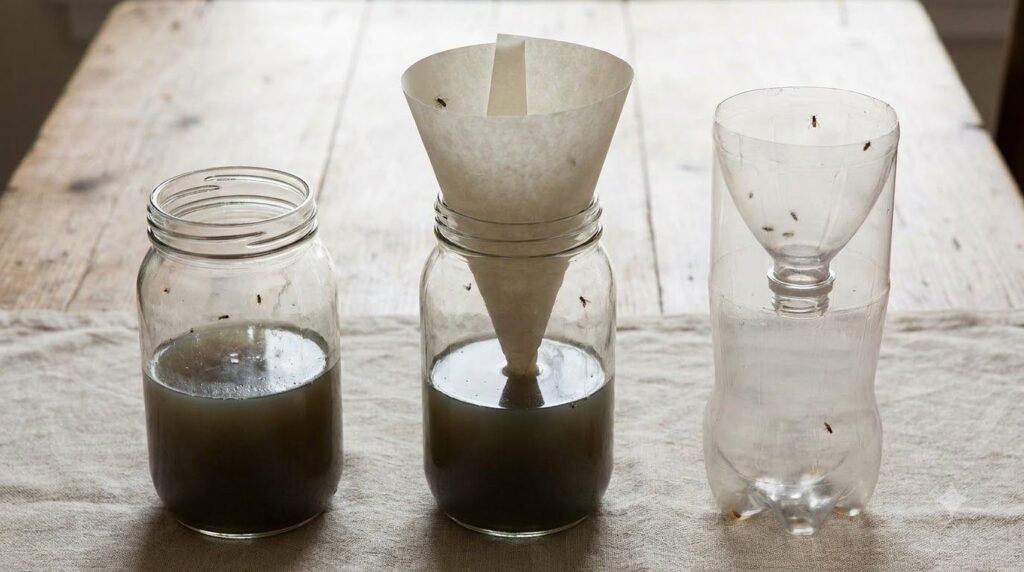
- Prepare Your Container: Choose a clean glass jar or a plastic bottle (a soda bottle cut in half works well, with the top inverted to form a funnel).
- Mix the Dry Ingredients: In the jar, add the warm water, then the sugar and salt. Stir well until they are fully dissolved. Warm water helps speed up this process.
- Add the Attractants: Pour in the apple cider vinegar. Give it a gentle stir.
- Add Dish Soap (Optional but Recommended): Add 1-2 drops of unscented dish soap. Do not stir vigorously, as too many suds can hinder the trap’s effectiveness. The soap is crucial for breaking the surface tension of the liquid, so flies that land on it will sink and drown.
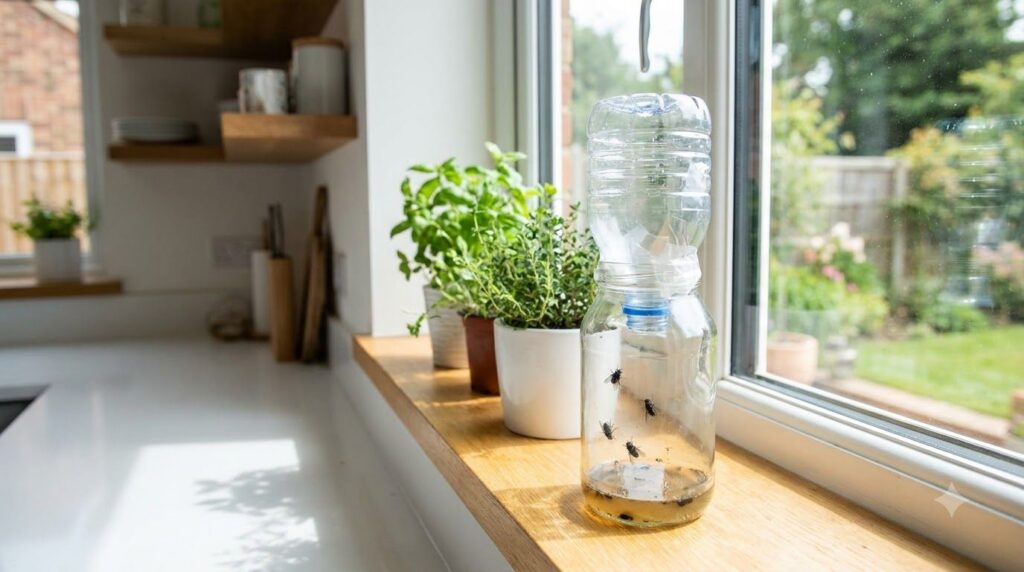
- Assemble the Trap: If using a jar, you can simply leave it open, but for better results, consider creating a funnel top. Cut the top third off a plastic bottle, invert it, and place it into the bottom half, securing it with tape around the edges. This creates a one-way entrance.
How to Use Your Homemade Fly Trap
Strategic placement is crucial for maximum effectiveness. Place your fly traps in areas where you notice the most fly activity. Common hotspots include:
- Near kitchen sinks and food preparation areas.
- Next to fruit bowls or compost bins.
- Near windows and doorways where flies enter.
- On patios, porches, or outdoor dining areas.
Avoid placing them directly in high-traffic human areas due to the potential smell and the sight of trapped flies. The goal is to draw flies away from you, not to gather them around you.
Quick Tip: Boost Your Trap’s Power
For an extra boost in attracting fruit flies, you can add a small piece of overripe fruit (like a banana peel or a slice of apple) to the liquid. The fermenting fruit amplifies the attraction and can make your trap even more potent.
How Often to Use It
The effectiveness of your homemade fly trap will diminish over time as the attractant loses its potency and the trap fills with flies. For optimal results, plan to replace the liquid solution every 3-5 days, or sooner if the trap becomes full. In hot weather or areas with high fly activity, you might need to change it daily. Regularly emptying and cleaning the jar before refilling will also maintain its efficiency.
How to Buy / Choose Ingredients
Given that the ingredients are everyday kitchen staples, choosing them is straightforward. Any standard granulated sugar, regular table salt, and widely available apple cider vinegar will work perfectly. For dish soap, an unscented variety is preferred to avoid introducing competing scents that might deter flies.
Storage: Keeping Your Solution Fresh
This fly trap solution is designed to be made fresh and used immediately. There’s no need to store pre-mixed batches. Keeping the dry ingredients (sugar, salt) and vinegar in their original sealed containers in a cool, dark pantry is sufficient. If you use a plastic bottle for the trap, you can rinse and reuse it multiple times.
Practical Tips for Maximum Impact
- Test Different Vinegars: While apple cider vinegar is generally preferred, some people find success with red wine vinegar or even balsamic vinegar due to their fermented aromas. Experiment to see what works best for your specific fly problem.
- Consider Trap Design: The funnel design (inverted bottle top) is often more effective than an open jar, as it makes it harder for flies to escape once they enter.
- Cleanliness is Key: Regularly clean the area around your trap and address any underlying causes of flies (e.g., uncovered food, overripe fruit, trash). The trap is a tool to manage flies, not a substitute for good sanitation.
- Placement Matters: Place traps near, but not directly in, areas where food is prepared or consumed. You want to lure flies away.
Common Mistakes to Avoid
Even with such a simple remedy, small errors can significantly reduce its effectiveness:
- Using the Wrong Proportions: Too much water or too little attractant will make the solution weak. Stick to the recommended measurements.
- Skipping the Dish Soap: Without a drop of dish soap, many flies will simply land on the surface tension of the liquid, drink, and fly away. It’s a critical component.
- Poor Placement: Hiding the trap in an out-of-the-way corner where flies don’t congregate won’t yield results. Place it directly in areas of fly activity.
- Not Replacing Regularly: An old, full trap is ineffective and can become a breeding ground for bacteria. Change the solution often.
- Using Scented Dish Soap: The strong artificial fragrance can often repel flies, counteracting the attractant smells. Always opt for unscented.
Cautions / Who Should Avoid It
This homemade fly trap is generally safe for household use due to its non-toxic ingredients. However, a few considerations:
- Smell: While effective for flies, the fermenting, sweet-and-sour smell can be noticeable up close, especially if the trap is left for too long.
- Attracting Other Insects: Outdoors, the trap might occasionally attract beneficial insects like bees, though it’s primarily designed for flies. Keep an eye on it if you’re concerned.
- Pets and Children: Although the ingredients are non-toxic, the solution is not intended for consumption. Keep traps out of reach of curious pets and small children to prevent accidental ingestion or spills.
| Method | Effectiveness | Safety | Cost | |
|---|---|---|---|---|
| Homemade Trap | High for common flies & fruit flies | Very Safe (non-toxic ingredients) | Very Low (kitchen staples) | |
| Fly Swatter | Immediate, localized (manual effort) | Safe (requires attention) | Low (one-time purchase) | |
| Chemical Spray | Immediate, broad (can be harsh) | Use with Caution (toxic chemicals) | Medium (recurring purchase) |
Quick Summary
This natural homemade fly trap offers an excellent, chemical-free way to manage common house and fruit flies. Its simple construction using warm water, sugar, apple cider vinegar, and a touch of salt and dish soap makes it easy to prepare. Best used with a funnel design, place it strategically in areas of high fly activity and replace the solution every 3-5 days for optimal results. Remember to include dish soap and choose unscented options for best performance.
You may also like: DIY Natural Pest Control for Your Garden
Frequently Asked Questions (FAQ)
Can I use other types of vinegar besides apple cider vinegar?
While apple cider vinegar is highly recommended due to its strong fermented scent, some users have reported success with red wine vinegar or even balsamic vinegar. Experiment with what you have, but ACV is generally the most effective.
How long does the homemade fly trap last?
The trap solution is most effective for about 3-5 days. After this period, the attractant scents begin to diminish, and the trap may become full. It’s best to empty, clean, and refill it regularly.
Is this fly trap safe for pets and children?
The ingredients themselves are non-toxic food items. However, the solution is not meant for consumption. Always place the trap out of reach of curious pets and small children to prevent accidental ingestion or spills.
Why is salt added to the mixture?
The salt in the mixture helps to enhance the overall attractant properties and can also potentially deter other non-target insects from being drawn to the trap, although its primary role is minor compared to the sugar and vinegar.
Does this trap work for mosquitoes?
This specific formulation is primarily designed to attract and trap flies, particularly common house flies and fruit flies, due to their attraction to fermented, sweet-and-sour smells. Mosquitoes are attracted to different types of lures (like CO2 or lactic acid) and this trap is generally not effective for them.
Can I reuse the jar or bottle?
Absolutely! After emptying the old solution, simply rinse the jar or bottle thoroughly with warm, soapy water. Dry it completely before refilling with a fresh batch of the fly trap solution.
What is the best time of day to set out the trap?
You can set out the trap at any time, but you might notice quicker results if you place it during the day when flies are most active. Ensure it’s in a well-lit area where flies are likely to congregate.
Conclusion
Dealing with flies doesn’t have to mean reaching for harsh chemicals. With just a few common kitchen ingredients, you can create an incredibly effective, natural, and safe fly trap that brings peace back to your home. Simple to make, easy to maintain, and surprisingly potent, this DIY remedy is a testament to the power of nature’s solutions. Try it today and enjoy a cleaner, happier home the natural way.
Read more: DIY Cleaning Solutions for a Toxin-Free Home

