Some of the most intriguing home remedies do not come from the kitchen at all. They come from the woods.
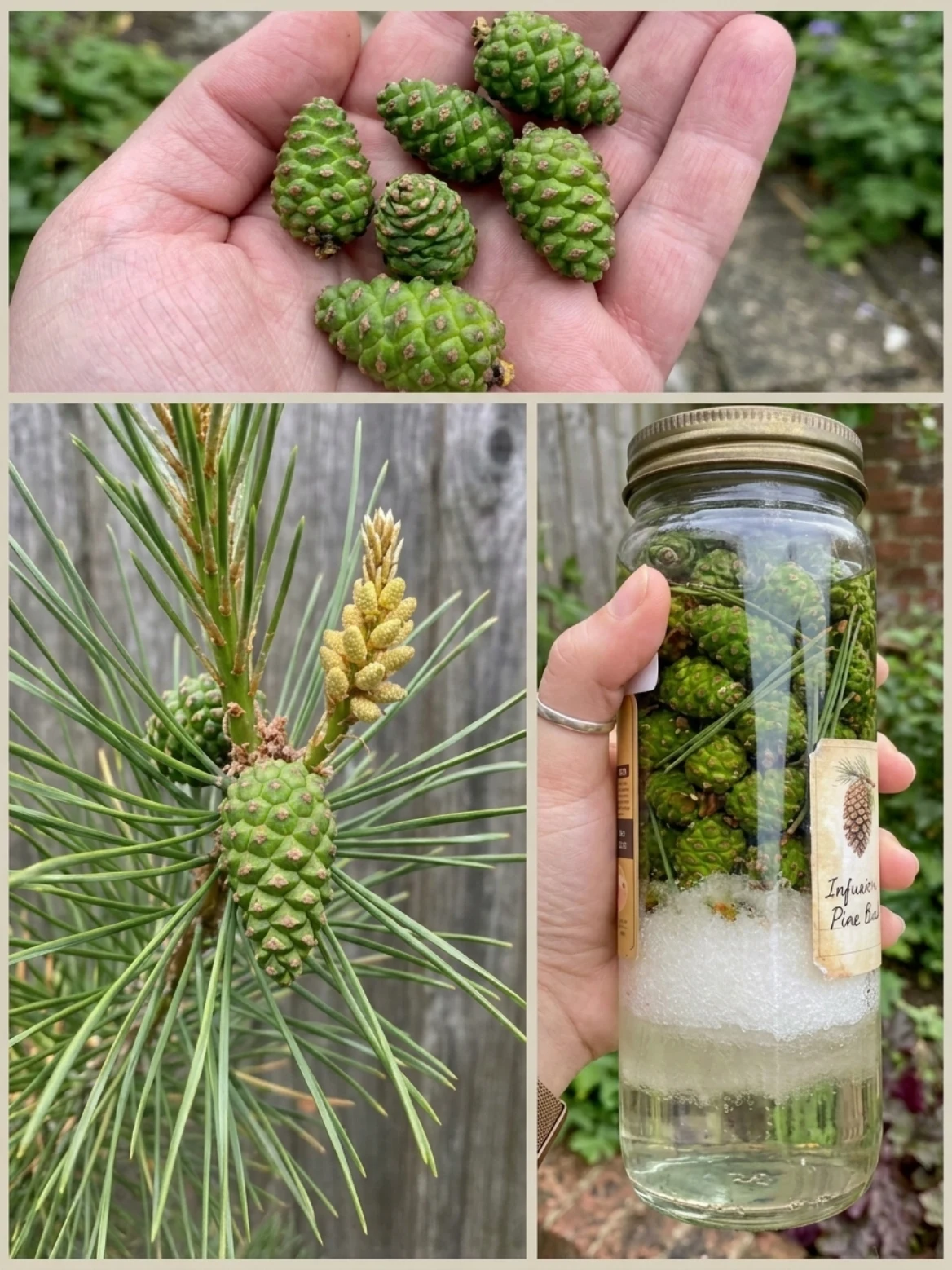
This remedy is young pine cone syrup, a traditional preparation made by infusing immature green pine cones, often with sugar or honey. In several folk traditions across Europe and elsewhere, syrups or decoctions made from young conifer shoots or cones have been used for coughs, colds, and other respiratory complaints. Ethnobotanical research from Transylvania documents syrups made from young shoots or cones mixed with honey or sugar for respiratory illnesses, while broader reviews of Pinus species describe traditional use for cough, cold, flu, and inflammatory complaints.
What makes this remedy so interesting is that people usually assume pine cones are just decorative. But immature cones and other pine parts contain polyphenols and other bioactive compounds that researchers have studied for antioxidant and anti-inflammatory activity, which helps explain why pine-based remedies kept their place in traditional medicine. (PMC)
What This Remedy Is Traditionally Used For
Young pine cone syrup is usually associated with:
Cough and throat comfort
Traditional pine preparations have long been used for cough, chest irritation, and cold-weather respiratory discomfort. Ethnomedicinal reviews specifically note the use of cone-based remedies for cough and respiratory disease.
Winter wellness support
Because pine remedies are aromatic, resin-rich, and warming, they are often used during colder months as a soothing seasonal tonic in folk practice.
A simple preserving method for forest ingredients
The sugar layer in this kind of jar is not just for sweetness. In traditional syrups, sugar or honey also helps draw out liquid and preserve the preparation. The Transylvanian ethnomedicine review specifically describes young shoots or cones mixed with honey or sugar for taste enhancement and preservation.
Ingredients
A traditional-style version uses the same core ingredients shown here:
- 1 to 2 cups young green pine cones, cleaned
- A few fresh pine needles from a correctly identified edible pine
- 1 to 1½ cups sugar or enough to layer between the cones
- A clean glass jar with a lid
Some people use honey instead of sugar, but sugar-layered syrups are a very common folk method.

How to Prepare It
This remedy is usually made as a cold-infused syrup, not a fast stovetop tea.
Step 1: Identify the pine correctly
This is the most important step. Pine remedies should only be made from a correctly identified edible pine species. Poison Control and other consumer health sources warn that plant confusion matters, especially with dangerous lookalikes such as yew, which is poisonous. (Poison Control)
Step 2: Clean the cones
Rinse the young green pine cones well and let them dry. If they are large, you can slice them in half to help release more liquid.
Step 3: Layer with sugar
Place a layer of sugar in the bottom of a clean jar, then add a layer of pine cones and a few pine needles. Continue layering until the jar is nearly full, finishing with sugar on top.
Step 4: Seal and infuse
Close the jar and leave it in a cool place or sunny window, depending on the tradition being followed, for several days to a few weeks. Over time, the sugar draws out moisture from the cones and forms a syrup.
Step 5: Strain
Once enough liquid has formed, strain the syrup and store it in a clean jar.
How to Use It
Traditionally, this syrup is taken in small amounts, not as a large drink.
A common folk-style use is:
- 1 teaspoon once or twice a day during cold weather
- Or a small spoonful when the throat feels rough or the chest feels irritated
Some people also stir a little into warm water. The main expectation is soothing support, not a dramatic cure.
Why People Believe It Works
Young pine cones and other pine parts contain polyphenols, flavonoids, and other plant compounds that have shown antioxidant activity in laboratory research. Studies on green pine cone extracts and cone fractions from several Pinus species have reported antioxidant and other bioactivities in vitro. (PMC)
That does not prove homemade syrup will treat bronchitis or stop an infection. The stronger evidence here is traditional use plus interesting lab data, not large clinical trials showing that homemade pine cone syrup cures respiratory illness. (PMC)
Who May Benefit Most
This kind of remedy may appeal most to people who:
- like traditional forest-based remedies
- want a gentle cough syrup alternative
- enjoy seasonal herbal preparations
- prefer small, simple home remedies over commercial syrups
It is especially popular as a winter pantry remedy because it feels warming, resinous, and comforting.
Safety Notes You Should Not Skip
This part matters.
Not every evergreen is safe to use, and misidentification can be dangerous. Yew is a well-known toxic lookalike and should never be used as a tea or syrup ingredient. (WebMD)
Also, pine preparations can irritate sensitive stomachs, and sugary syrups are not ideal for everyone. Use extra caution if you are pregnant, giving remedies to children, managing diabetes, or dealing with chronic lung disease. And if symptoms include shortness of breath, chest pain, wheezing, or high fever, a home remedy is not enough.
When You Might Notice a Difference
If this syrup helps, the effect is usually felt as throat soothing and warmth within the same day. It is more of a comfort remedy than a fast medical treatment. For persistent cough, worsening symptoms, or suspected infection, proper medical care is still the right next step.
Final Takeaway
Young pine cone syrup is one of those traditional remedies that turns an overlooked forest ingredient into something practical and soothing. Its long folk history for cough and cold support makes it easy to understand why people still make it today, and modern research on pine cone compounds gives that tradition some scientific context. (PMC)
Used carefully, with correct plant identification and realistic expectations, it can be a beautiful seasonal remedy to keep in the kitchen when the weather turns cold.