Most people walk past this plant without noticing it.
It grows:
- near sidewalks
- in empty lots
- beside gardens
- along trails and roadsides
But in traditional herbal practices, this small flowering plant has been used for generations as a simple natural remedy — especially for minor cuts, skin irritation, and wound support.
Recently, more people searching for:
- medicinal weeds
- wild healing plants
- natural remedies for cuts
- survival plants
- edible wild herbs
have started paying attention to plants like this again.
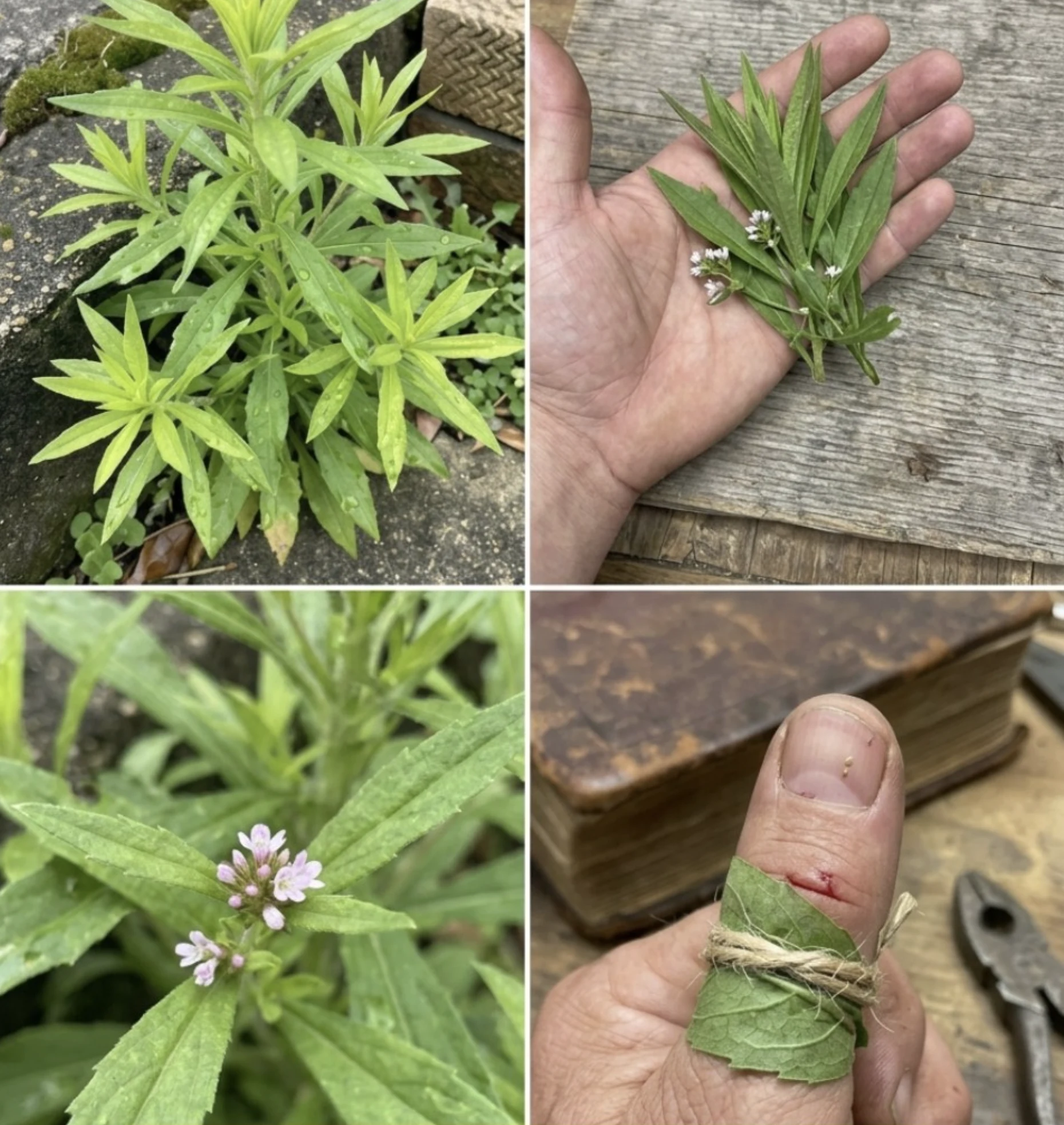
What Plant Is This?
This plant is commonly known as:
- Virginia buttonweed
- Frogfruit
- Smartweed-type wild herb
- or regional medicinal field herbs depending on location
Some traditional herbal communities use the leaves externally for:
- minor cuts
- scratches
- bug bites
- skin irritation
Important:
Wild plants can easily be misidentified.
Never consume or apply unknown plants unless properly identified by a qualified expert.
Why People Traditionally Used This Plant
In folk medicine traditions, the leaves were often crushed or bruised before being applied to the skin.
People believed the plant may help:
- temporarily protect small cuts
- soothe irritation
- support natural skin recovery
Some herbal enthusiasts also use similar plants in:
- poultices
- herbal rinses
- infused washes
However:
modern medical research on many wild herbs is still limited.
The “Leaf Wrap” Method People Used Traditionally
One of the oldest methods was surprisingly simple.
Basic Traditional Method
- Rinse the leaves thoroughly
- Crush or bruise the leaves slightly
- Place them gently over minor skin irritation
- Wrap loosely with cloth
This was commonly done for:
- small cuts
- outdoor scratches
- insect bites
But this should NEVER replace proper wound care.
Deep wounds, infections, or serious injuries require medical treatment.
Why Wild Plant Remedies Became Popular Again
Interest in traditional plants has grown because many people are looking for:
- simple natural remedies
- old survival knowledge
- herbal traditions
- low-cost wellness habits
Social media has also increased searches for:
- backyard medicine plants
- medicinal weeds
- forgotten healing herbs
- plants for first aid
Still, “natural” does not automatically mean safe.
Important Safety Warnings Most People Ignore
This part matters the most.
Never Use Random Plants Without Proper Identification
Many plants look similar.
Some may:
- irritate the skin
- cause allergic reactions
- be toxic
Always verify plant identity carefully.
Do Not Apply to Serious Wounds
Traditional remedies should NOT be used for:
- deep cuts
- infected wounds
- animal bites
- burns
- severe bleeding
Seek medical care when needed.
Wash Plants Carefully
Wild plants may contain:
- pesticides
- bacteria
- road contamination
- animal waste
Never apply dirty leaves directly to skin.
Other Traditional Wild Plants People Often Search For
People interested in this type of herbal knowledge also commonly search:
- plantain leaf for wounds
- yarrow herb uses
- chickweed benefits
- comfrey leaf remedy
- purslane medicinal uses
- natural herbs for skin healing
Many traditional herbs were originally passed down through generations long before modern medicine existed.
Why People Still Find These Plants Fascinating
Part of the appeal is simple:
These plants grow almost everywhere.
What most people call:
- weeds
- roadside plants
- unwanted herbs
were once commonly used in survival traditions and home remedies.
That history continues to interest gardeners, herbalists, and nature enthusiasts today.
Final Thought
Nature has always been part of traditional healing practices.
And while modern medicine should always come first for serious health issues, many people still enjoy learning about the forgotten plants growing quietly around them every day.
The key is curiosity — combined with caution, proper identification, and common sense.
Sources
- National Center for Complementary and Integrative Health (NCCIH)
- American Botanical Council
- USDA Plant Database
- Mayo Clinic – Wound Care Basics
- Cleveland Clinic – Herbal Medicine Safety
- Herbal Academy Educational Resources