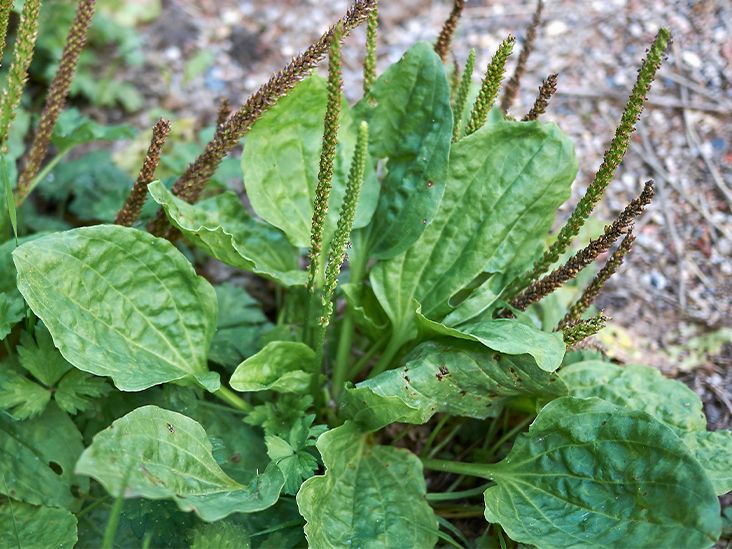
Most people think this plant is just a weed.
It grows beside sidewalks, appears in empty fields, and spreads through gardens so aggressively that many homeowners try to remove it immediately.
But for generations, plantain leaf (Plantago major and Plantago lanceolata) was one of the most commonly used folk remedies for irritated skin, swelling, bug bites, chest discomfort, rough coughs, and homemade healing salves.
Now it’s trending again.
Plantain leaf benefits have become popular again as more people search for traditional herbal remedies for swelling, skin irritation, cough support, and natural wellness. This wild medicinal plant has been used for generations in teas, salves, foot soaks, and homemade herbal recipes.
Searches for:
- “plantain leaf remedy”
- “plantain leaf salve”
- “plantain tea benefits”
- “natural anti inflammatory herbs”
- “wild medicinal plants”
have increased as more people look for low-cost herbal alternatives and traditional wellness practices.
And unlike many viral “miracle herbs,” plantain actually has a long history of documented traditional use.
That doesn’t mean it cures disease.
But it does explain why people continue using it centuries later.
Why Plantain Leaf Became a Traditional Remedy
Plantain leaf has been used in folk medicine across Europe, Asia, and North America for generations.
Traditional uses usually focused on:
- swollen skin
- irritated tissue
- bug bites
- rough throats
- herbal poultices
- minor cuts
- chest discomfort
- seasonal coughs
Part of the reason is the plant naturally contains:
- mucilage compounds
- tannins
- flavonoids
- antioxidant plant compounds
Herbalists traditionally described plantain as:
- cooling
- soothing
- drawing
- calming
- skin-supportive
Modern interest mostly comes from how versatile the plant is.
The same leaf can be:
- brewed into tea
- infused into oil
- turned into salve
- used in compresses
- added to herbal steam blends
- mixed into foot soaks
That flexibility makes it perfect for high-engagement wellness content and traditional remedy blogs.
The Most Popular Plantain Leaf Remedies People Still Use Today
1. Plantain Leaf Tea for Throat and Chest Comfort
This is probably the most common modern use.
Ingredients
- 1 tablespoon dried plantain leaf
- 1½ cups hot water
- optional honey
- optional ginger
- optional thyme
Instructions
- Add dried leaves to hot water.
- Cover and steep 10–15 minutes.
- Strain before drinking.
Why People Drink It
Usually for:
- rough throat comfort
- seasonal wellness
- dry cough support
- herbal relaxation routines
Many people combine it with:
- mullein
- ginger
- licorice root
- thyme
- raw honey
because these herbs are heavily associated with respiratory wellness traditions.
This type of “lung comfort tea” content performs extremely well because readers are emotionally connected to breathing, coughing, and chest discomfort topics.
The Homemade Plantain Salve That Keeps Going Viral
One reason plantain content performs so well online is because the before/after visuals are strong.
People love:
- healing balm recipes
- DIY skin remedies
- homemade salves
- natural skincare oils
Plantain fits perfectly into that category.
Traditional Plantain Salve Recipe
Ingredients
- dried plantain leaves
- olive oil
- beeswax
- optional calendula
- optional lavender oil
Instructions
- Fill a jar with dried leaves.
- Cover completely with olive oil.
- Let infuse 1–2 weeks.
- Strain the oil.
- Melt with beeswax.
- Pour into small containers.
Traditionally Used For
- dry skin
- cracked heels
- rough patches
- bug bites
- outdoor skin irritation
This remedy remains popular because it feels practical, inexpensive, and easy to make at home.
The “Drawing Poultice” Folk Method
This is one of the oldest traditional uses.
Fresh plantain leaves were often:
- crushed
- chewed lightly
- mashed
- or ground into paste
then applied directly onto irritated skin.
People historically used this method for:
- bug bites
- bee stings
- mild swelling
- itchy skin
- outdoor scratches
That “fresh leaf directly on skin” concept is one reason survivalist and foraging communities still discuss plantain heavily today.
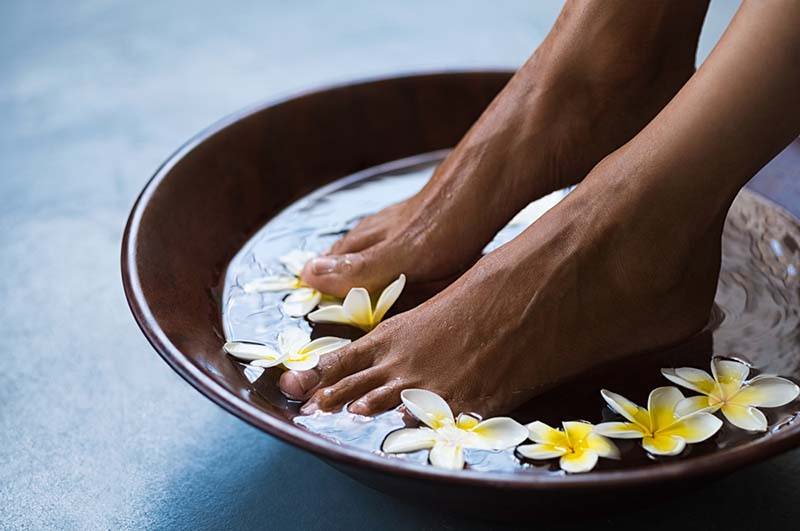
Plantain Foot Soak for Swollen or Tired Feet
This topic gets surprisingly high engagement because readers immediately imagine relief.
Plantain Herbal Foot Soak
Ingredients
- fresh plantain leaves
- warm water
- Epsom salt
- peppermint oil (optional)
Instructions
- Crush the leaves slightly.
- Add to warm water.
- Mix with Epsom salt.
- Soak feet 15–20 minutes.
Why People Use It
Usually for:
- tired feet
- temporary swelling
- long walking days
- relaxation routines
This style of content performs especially well in:
- wellness blogs
- Facebook remedy pages
- anti-inflammatory lifestyle content
- home spa niches
 Why “Lung Support Herbs” Became So Popular Again
One major reason plantain leaf is trending again is because respiratory wellness content exploded over the past few years.
People became heavily interested in:
- mucus-clearing herbs
- breathing support
- chest comfort teas
- smoker lung discussions
- steam remedies
- herbal syrups
That created renewed interest in herbs like:
- mullein
- thyme
- eucalyptus
- pine
- oregano
- elderberry
- plantain leaf
This same curiosity-driven wellness framing appears in your uploaded herbal blog examples about garlic skins, pine cone syrup, and pistachio shell remedies.
Traditional Herbal Blend People Commonly Combine With Plantain
Herbal Chest Comfort Tea
Ingredients
- plantain leaf
- mullein leaf
- thyme
- ginger
- raw honey
Why This Blend Became Popular
Because each ingredient already has:
- strong search traffic
- traditional respiratory associations
- high curiosity value
- strong ad CTR potential
Readers naturally click topics involving:
- lung cleansing
- chest support
- herbal cough relief
- anti-inflammatory drinks
- natural mucus support
Product Recommendations That Usually Perform Well
If you want stronger advertising clicks and affiliate-style engagement, these product categories consistently pair well with plantain content:
- organic dried plantain leaf
- herbal lung support tea
- mullein extract
- elderberry syrup
- oregano oil
- herbal salve kits
- magnesium balm
- beeswax healing cream
- herbal steam inhalers
- raw forest honey
- anti-inflammatory herbal tea
- herbal detox blends
These products work because readers are already searching for:
- comfort
- alternatives
- easy remedies
- home wellness solutions
—not necessarily pharmaceutical treatments.
What Science Actually Supports
This is the important part most viral posts skip.
There is some scientific interest in plant compounds found in plantain leaf, particularly regarding:
- antioxidants
- polyphenols
- soothing mucilage compounds
But traditional use does not automatically equal proven medical treatment.
Most evidence currently supports:
- historical herbal use
- laboratory findings
- traditional applications
—not large clinical trials proving plantain cures serious disease.
That distinction matters.
Especially online, where herbal claims are often exaggerated far beyond the evidence.
Important Safety Notes
Avoid using wild plants unless correctly identified.
Do not use leaves contaminated by:
- pesticides
- roadside pollution
- animal waste
- industrial runoff
Stop use if irritation occurs.
People who are:
- pregnant
- breastfeeding
- allergic to herbs
- taking medications
- managing chronic illness
should be cautious with herbal remedies.
And if symptoms involve:
- breathing difficulty
- severe swelling
- infection
- fever
- chest pain
a home remedy is not enough.
Why People Keep Returning to This Plant
Plantain leaf survives because it fits modern wellness culture perfectly.
It is:
- cheap
- easy to find
- visually interesting
- deeply traditional
- flexible in recipes
- easy to combine with trending herbs
And psychologically, people love the idea that something ignored for years could still be useful.
That combination of:
- forgotten remedy
- natural wellness
- practical recipes
- visible preparation
- historical use
is exactly why plantain leaf content keeps spreading online again and again.
Sources
Traditional herbal-remedy structure, remedy framing, and science-balanced wellness writing adapted from uploaded Health Insights Blog examples on garlic skin remedies, pine cone syrup, and pistachio shell wellness traditions.