Feeling a little sluggish, experiencing brain fog, or noticing changes in your hair and mood? These common symptoms can sometimes be linked to your thyroid gland, a small but mighty organ located in your neck. Your thyroid plays a crucial role in regulating many bodily functions, including metabolism, energy levels, and even your mood. The good news is that small, balanced dietary changes can make a big difference in supporting its function and helping you feel your best.
Supporting your thyroid doesn’t have to be complicated. By understanding which nutrients are vital and incorporating thyroid-friendly foods into your daily meals, you can take proactive steps towards better health. This guide will help you explore natural ways to boost your thyroid health through informed food choices.
The Thyroid’s Role in Your Body
Your thyroid gland produces hormones that influence nearly every cell in your body. These hormones are essential for energy production, maintaining body temperature, regulating heart rate, and supporting brain function. When your thyroid isn’t functioning optimally, either producing too much or too little hormone, it can lead to a wide range of symptoms that affect your daily life.
Common signs of an underactive thyroid (hypothyroidism) often include fatigue, weight gain, feeling cold, brain fog, dry skin, and hair loss. An overactive thyroid (hyperthyroidism) can manifest as anxiety, rapid heartbeat, weight loss, and difficulty sleeping. While these conditions require proper medical diagnosis and treatment, diet can be a powerful complementary tool in managing symptoms and supporting overall thyroid health.
Key Nutrients for a Healthy Thyroid
Several essential nutrients are critical for thyroid hormone production and function. Ensuring you get enough of these through your diet can contribute significantly to a healthy thyroid:
- Iodine: This is perhaps the most well-known nutrient for thyroid health, as it’s a fundamental building block for thyroid hormones. However, both too little and too much iodine can be problematic, so balance is key.
- Selenium: This powerful antioxidant helps protect the thyroid gland from oxidative stress and plays a role in converting thyroid hormones into their active form.
- Zinc: Essential for the synthesis of thyroid hormones and also for the healthy functioning of the immune system, which can be linked to some thyroid conditions.
- Tyrosine: An amino acid that, along with iodine, is used by the thyroid to produce its hormones.
- B Vitamins (especially B12): Important for energy metabolism and can help combat fatigue often associated with thyroid issues.
- Vitamin D: While not directly involved in hormone production, Vitamin D plays a crucial role in immune system regulation, which is often implicated in autoimmune thyroid conditions.
Thyroid-Friendly Foods to Incorporate
Seafood for Iodine and Selenium
Many types of seafood are excellent sources of iodine and selenium. Consider adding these to your meals:
- Baked Cod or Shrimp: Rich in iodine, these can be a delicious and lean protein source.
- Sardines: Offer both selenium and healthy omega-3 fatty acids.
- Tuna (in moderation): Contains selenium, but be mindful of mercury content with frequent consumption.
Nuts and Seeds for Selenium and Zinc
Small but mighty, nuts and seeds pack a nutritional punch that supports your thyroid:
- Brazil Nuts: Just one or two Brazil nuts a day can provide your recommended daily intake of selenium.
- Chia Seeds: A good source of zinc and omega-3s, which can support overall inflammation.
- Pumpkin Seeds: Rich in zinc, these make a great snack or addition to salads.
Colorful Fruits and Vegetables for Antioxidants
A diet rich in antioxidants helps protect your thyroid from damage and supports overall health. Aim for a variety of colors:
- Berries: Blueberries, strawberries, and raspberries are loaded with antioxidants.
- Spinach and Kale: These leafy greens provide various vitamins and minerals, including some zinc.
- Bell Peppers: Especially red and yellow, they are high in Vitamin C, another important antioxidant.
Lean Proteins and Whole Grains
Including adequate protein is crucial for overall health and can help stabilize blood sugar, which indirectly supports thyroid function. Whole grains provide fiber and B vitamins:
- Chicken Breast and Turkey: Lean protein sources that also offer some zinc.
- Quinoa and Brown Rice: Provide complex carbohydrates for sustained energy and B vitamins.
- Eggs: A good source of both iodine and selenium, and a complete protein.
Making Sustainable Healthy Swaps
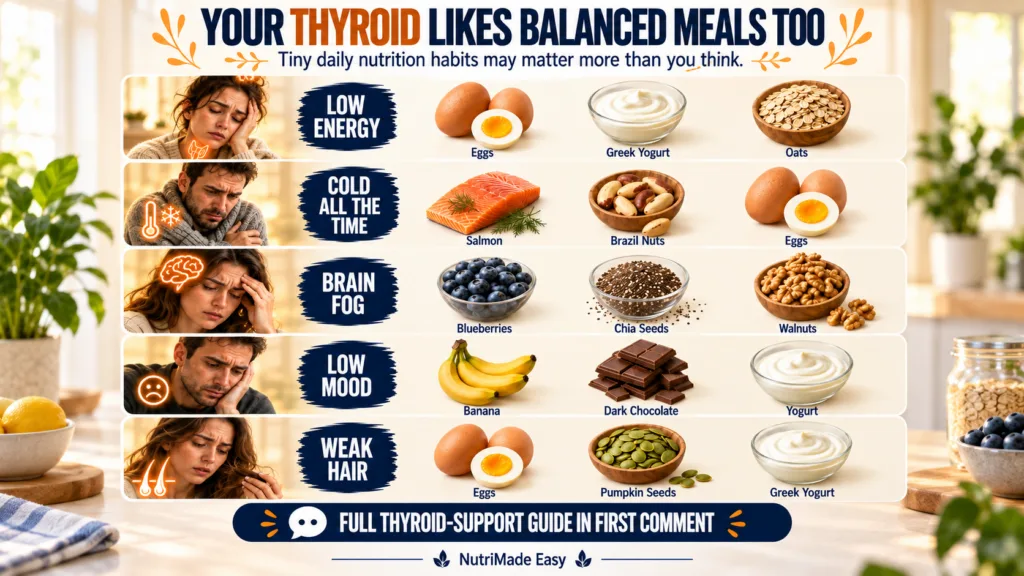
You don’t need to overhaul your entire diet overnight. Start with small, manageable changes. For instance, if you’re feeling low energy, try swapping your morning pastry for a bowl of oats topped with chia seeds and berries. If brain fog is a concern, consider adding more selenium-rich foods like Brazil nuts or a serving of cod to your weekly meals. These thoughtful substitutions can accumulate over time to create a significant positive impact on your thyroid health.
Embracing a Holistic Approach
While diet is a cornerstone of thyroid health, remember that it’s part of a larger picture. Managing stress, getting adequate sleep, and regular physical activity also play vital roles in supporting your endocrine system and overall well-being. Always consult with a healthcare professional for diagnosis and treatment of thyroid conditions.
By nourishing your body with nutrient-dense foods and making mindful lifestyle choices, you can empower your thyroid to function optimally, helping you feel more energized, focused, and balanced. What’s one small healthy swap you’ve made this week to support your well-being?