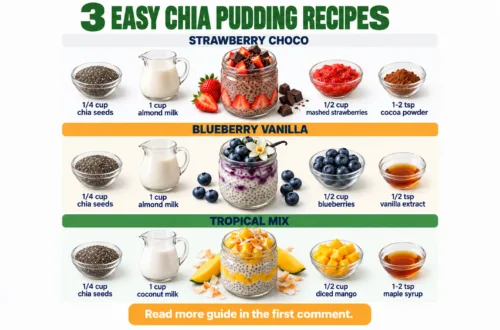
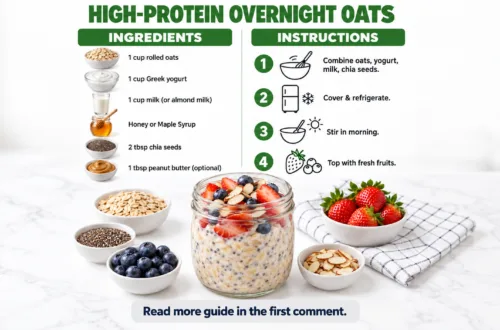
Have you ever wondered about those tiny, unassuming seeds that swell up into a gel-like substance when added to liquid? We’re talking about chia seeds! These small powerhouses are famous for their incredible ability to absorb liquid and expand significantly, often up to 10-12 times their dry weight. This unique hydration transformation isn’t just a fun kitchen trick; it’s a key reason why chia seeds are considered a nutritional superstar.
In this article, we’ll dive into the fascinating world of chia seeds, exploring why they hydrate so dramatically, what makes them such a valuable addition to your diet, and the many ways you can enjoy their benefits. Get ready to discover how these tiny seeds can boost your nutrition, enhance your meals, and support your overall well-being!
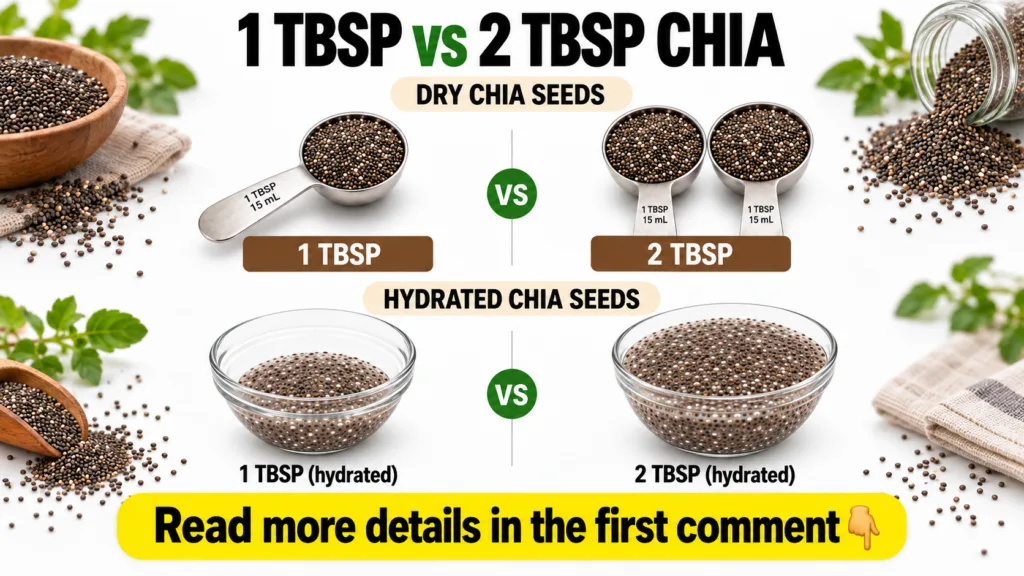
The Amazing Hydration Transformation
Chia seeds are hydrophilic, meaning they love water. When soaked in liquid, their outer layer develops a gelatinous coating, forming a mucilaginous texture. This gel is mostly soluble fiber, which is responsible for their impressive swelling capacity.
This transformation is more than just visually interesting; it plays a crucial role in how chia seeds benefit your body. The gel helps slow down digestion, which can contribute to a feeling of fullness and help regulate blood sugar levels. It also makes them incredibly versatile for use in various recipes, from puddings to thickening agents.
Nutritional Powerhouse: Beyond the Gel
While their hydration trick is impressive, the true magic of chia seeds lies in their dense nutritional profile. Don’t let their small size fool you; these seeds are packed with essential nutrients.
Key Nutrients in Chia Seeds (per 1 ounce or 28 grams):
- Calories: Approximately 138 calories
- Protein: Around 4.7 grams
- Fat: About 8.7 grams (primarily healthy omega-3 fatty acids)
- Carbohydrates: Approximately 12 grams
- Fiber: A whopping 9.8 grams (mostly soluble fiber)
They are also an excellent source of several important vitamins and minerals:
- Omega-3 Fatty Acids: Specifically alpha-linolenic acid (ALA), known for its anti-inflammatory properties and heart health benefits.
- Fiber: Crucial for digestive health, satiety, and blood sugar regulation.
- Calcium: Important for bone health.
- Manganese: Involved in bone health and metabolism.
- Magnesium: Supports muscle and nerve function, blood sugar control, and blood pressure regulation.
- Phosphorus: Essential for bone and teeth health.
- Antioxidants: Help protect the body from free radical damage.
Health Benefits of Incorporating Chia Seeds
Regularly adding chia seeds to your diet can offer a range of health advantages:
- Supports Digestive Health: The high soluble fiber content acts as a prebiotic, feeding beneficial gut bacteria and promoting regular bowel movements.
- Promotes Heart Health: Rich in omega-3 ALA, chia seeds may help reduce inflammation, lower blood pressure, and improve cholesterol levels.
- Helps Regulate Blood Sugar: The fiber content slows down glucose absorption, which can help prevent blood sugar spikes, making them beneficial for individuals managing blood sugar.
- Aids in Weight Management: The combination of fiber and protein can increase satiety, helping you feel fuller for longer and potentially reducing overall calorie intake.
- Boosts Bone Health: With calcium, phosphorus, and magnesium, chia seeds contribute to maintaining strong bones.
- Enhances Hydration: When consumed with sufficient liquid, the seeds can help maintain electrolyte balance and provide sustained hydration.
Best Ways to Enjoy Chia Seeds
One of the best things about chia seeds is their versatility. They have a mild flavor, so they easily blend into various dishes without overpowering other ingredients.
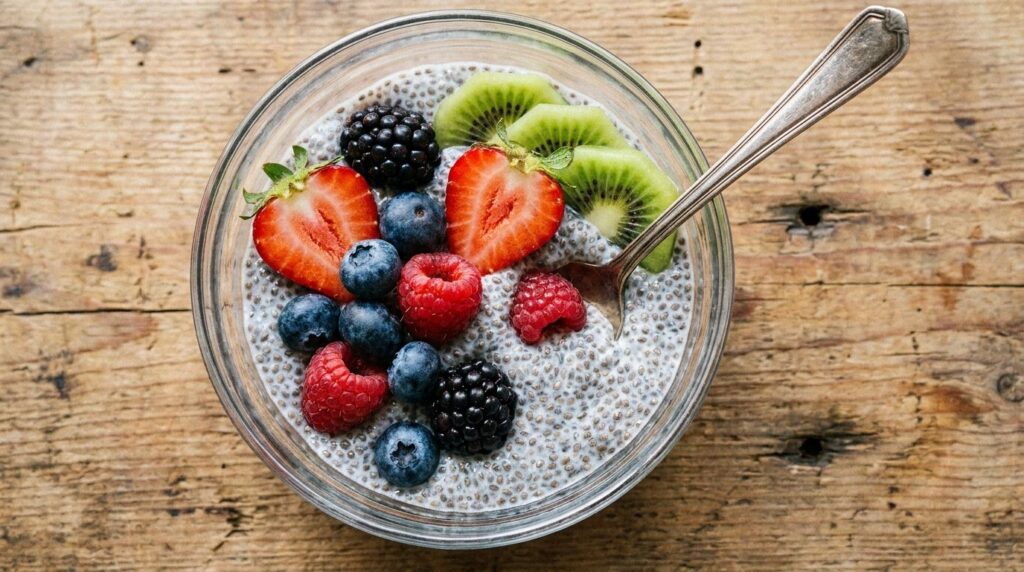
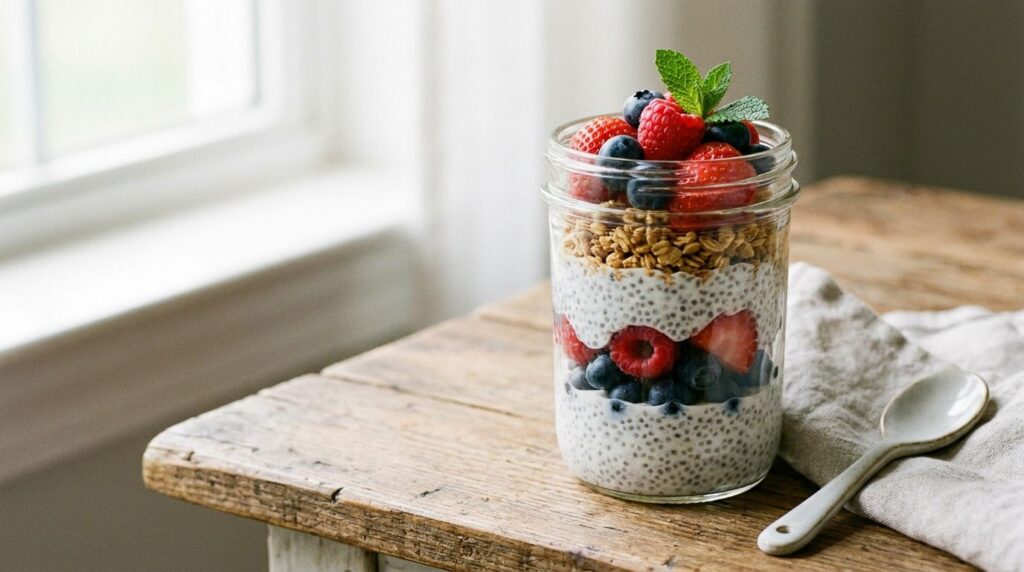
- Chia Pudding: The classic! Mix chia seeds with milk (dairy or non-dairy) and let it sit in the fridge until it gels. Add fruit, nuts, or a touch of sweetener.
- Smoothies: Add a tablespoon or two to your morning smoothie for extra fiber, protein, and thickness.
- Yogurt & Oatmeal Topping: Sprinkle dry or pre-soaked chia seeds over your breakfast for an added nutritional punch.
- Baked Goods: Incorporate them into muffins, bread, or energy bars for texture and nutrients.
- Egg Substitute: For vegan baking, mix 1 tablespoon of ground chia seeds with 3 tablespoons of water and let it sit for 5 minutes to create a ‘chia egg’.
- Thickening Agent: Use them to thicken soups, sauces, or homemade jams.
Practical Tips for Incorporating Chia Seeds
- Start Small: Begin with 1-2 tablespoons per day and gradually increase if desired to allow your digestive system to adjust to the fiber.
- Hydrate Them: Always ensure chia seeds are consumed with plenty of liquid. If eating them dry (e.g., sprinkled on yogurt), drink extra water throughout the day.
- Meal Prep: Make a batch of chia pudding at the beginning of the week for quick and healthy breakfasts or snacks.
- Experiment: Don’t be afraid to try them in different recipes. Their neutral flavor makes them incredibly adaptable.
- Storage: Store chia seeds in a cool, dark place in an airtight container to maintain freshness.
Potential Risks and Considerations
While generally safe and beneficial, there are a few things to keep in mind:
- Choking Hazard: If consumed dry without adequate liquid, especially in large quantities, they can absorb moisture and expand in the esophagus, potentially causing a choking hazard. Always soak them or consume with plenty of fluids.
- Digestive Issues: For some individuals, a sudden increase in fiber intake can lead to gas, bloating, or stomach discomfort. Introduce them gradually.
- Medication Interactions: Due to their blood-thinning properties (omega-3s) and potential to lower blood pressure, individuals on blood thinners or blood pressure medication should consult their doctor.
FAQs About Chia Seeds
Q: Do chia seeds need to be soaked before eating?
A: While not strictly necessary, soaking chia seeds is highly recommended. Soaking allows them to expand, reduces the risk of digestive discomfort, and makes their nutrients more bioavailable.
Q: How long do chia seeds take to hydrate?
A: Chia seeds typically take about 15-30 minutes to fully hydrate and form a gel. For thicker textures like pudding, it’s best to let them sit for a few hours or overnight in the refrigerator.
Q: Can I eat chia seeds every day?
A: Yes, eating chia seeds daily is generally safe and beneficial. Most recommendations suggest 1-2 tablespoons per day.
Q: What’s the best liquid-to-chia seed ratio for pudding?
A: A common ratio is 1/4 cup chia seeds to 1 cup of liquid (milk, water, juice). Adjust to your preferred consistency.
Q: Do chia seeds help with weight loss?
A: Chia seeds can support weight management by promoting fullness and reducing appetite due to their high fiber and protein content. However, they are not a magic bullet and should be part of a balanced diet and active lifestyle.
Q: Can children eat chia seeds?
A: Yes, chia seeds are safe for children in moderation. Ensure they are properly hydrated and introduce them gradually, especially in younger children, to avoid choking hazards.
Q: Are black and white chia seeds different nutritionally?
A: Nutritionally, black and white chia seeds are virtually identical. Any perceived differences are usually minimal and not significant for health benefits.
Conclusion
Chia seeds truly live up to their reputation as a superfood, thanks to their remarkable hydration capabilities and impressive nutritional profile. From boosting digestive health and supporting your heart to helping manage blood sugar and promoting satiety, these tiny seeds offer a wealth of benefits. Their versatility makes them an easy and delicious addition to countless dishes.
So, go ahead and explore the wonderful world of chia seeds. Experiment with puddings, smoothies, or sprinkle them into your favorite meals. Your body will thank you for the nutritious boost!
This content is for educational purposes only and should not be considered medical advice. Consult a qualified healthcare professional for personalized dietary recommendations.
Internal Link Suggestions:
- High Fiber Foods for Digestive Health
- Easy and Delicious Healthy Smoothie Recipes
- Understanding Omega-3 Fatty Acids: A Comprehensive Guide
- Healthy Breakfast Ideas for Busy Mornings
- Meal Prep Tips for a Healthier Week