Many people think all fruits spike blood sugar equally, but that’s simply not true. Fruits differ in their sugar type, fiber content, and glycemic impact—meaning some are actually great for glucose stability, while others can cause quick spikes, especially if eaten alone or in large portions.
Best Fruits for Stable Blood Sugar
These fruits have a low glycemic load, are high in fiber, and support steadier digestion:
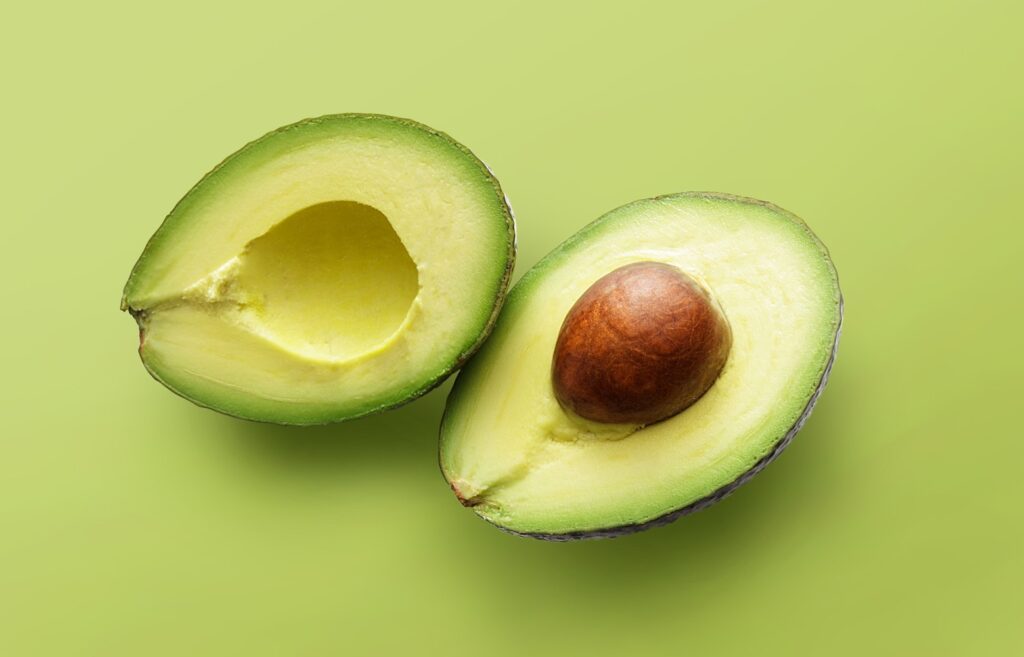
Avocado:
Packed with healthy fats, very little sugar, and nearly zero effect on blood sugar. It slows stomach emptying and helps keep glucose levels steady.
Raspberries:
Rich in polyphenols and fiber, raspberries improve insulin sensitivity and digest slowly.
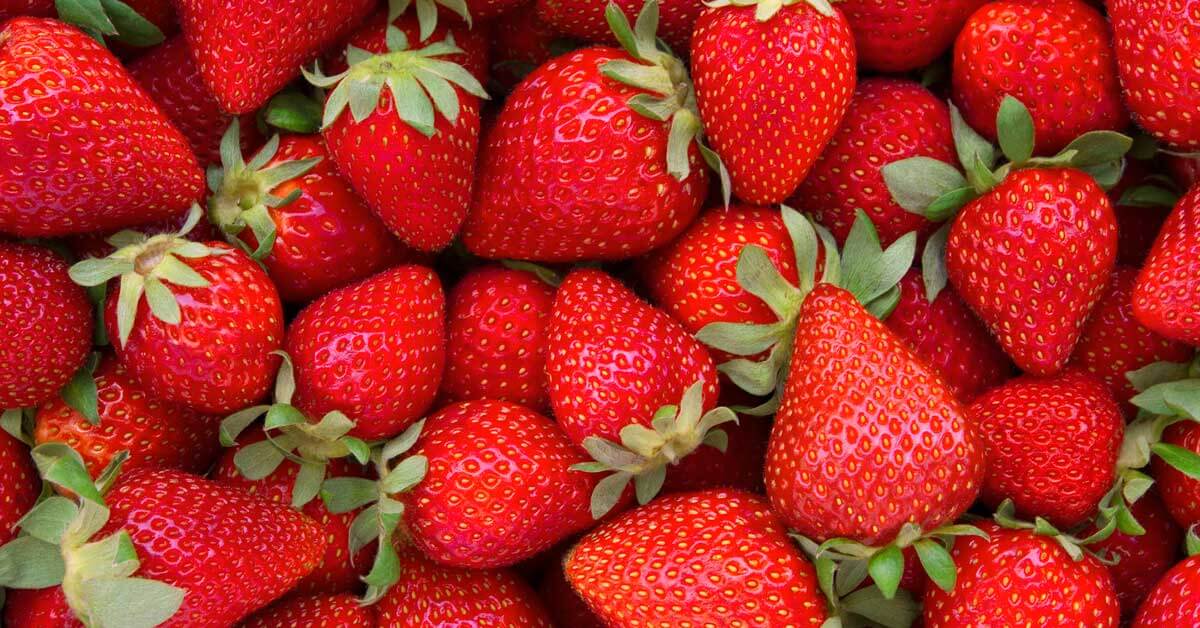
Strawberries:
Contain ellagic acid and high antioxidants that blunt the post-meal glucose rise.
Lemon & Citrus:
Vitamin C and soluble fiber lower the overall glycemic response of meals—best when eaten with other foods. Grapefruit is especially known for this benefit.
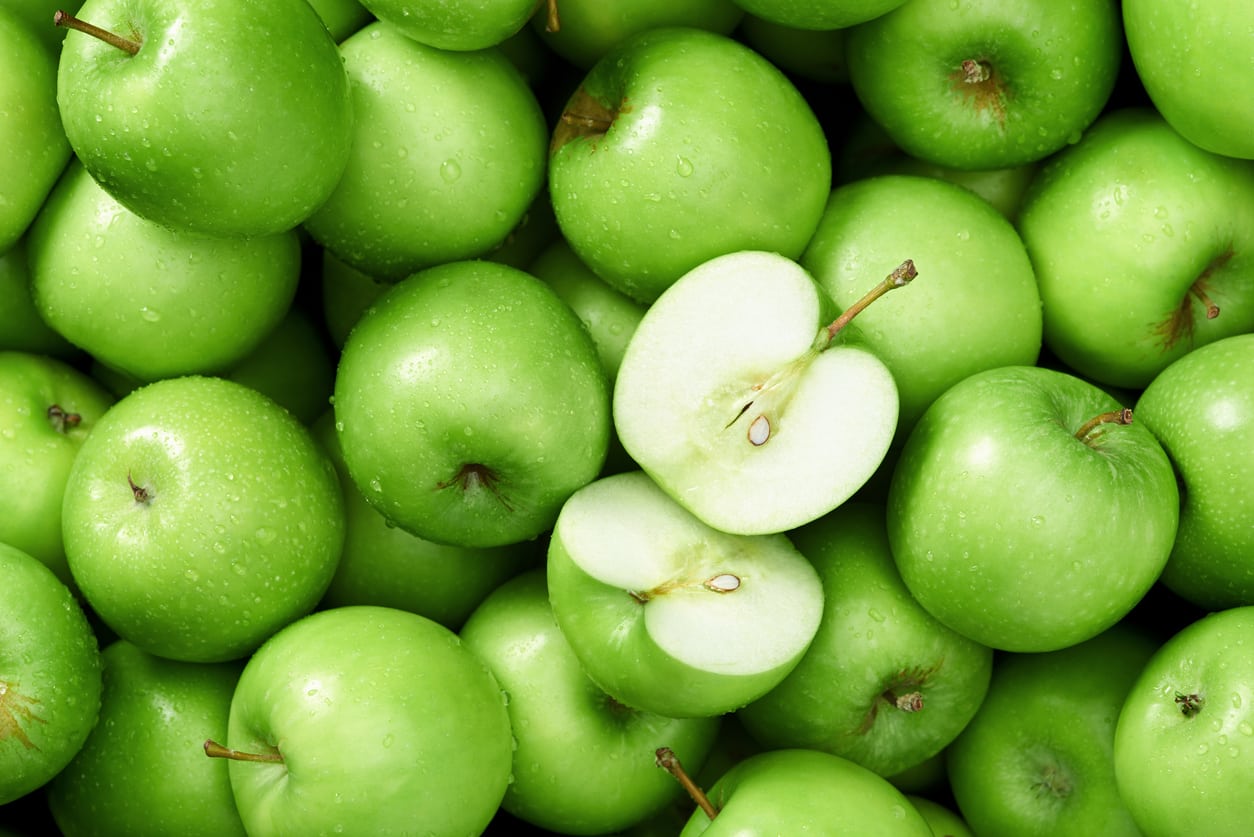
Green Apples:
More fiber and less sugar (lower fructose) than red apples, making them a gentler choice for blood sugar.
Pears:
Loaded with pectin, a form of fiber that helps slow carbohydrate absorption and reduce spikes.
Blueberries:
Packed with anthocyanins—these powerful antioxidants help support healthy glucose metabolism.
Cherries, Peaches, Plums:
All have low glycemic index values and deliver fiber and antioxidant benefits.
Fruits That Can Quickly Raise Blood Sugar
These fruits digest faster and can trigger larger, quicker glucose spikes:
-
Grapes: high sugar, rapidly absorbed.
-
Watermelon: high glycemic index—spikes sugar, best enjoyed in smaller portions.
-
Pineapple: higher glycemic impact; best if combined with a meal or healthy fat.
-
Bananas: increasingly high GI as they ripen.
-
Dried Fruits (dates, figs, raisins): sugar becomes concentrated, boosting impact per bite.
-
Pomegranate: nutrient-rich, but higher in natural sugars.
Smart Ways to Enjoy Fruit With Diabetes
-
Always pair fruit with a protein or healthy fat: Examples include berries with nuts, apple with almond butter, or pear with Greek yogurt—this slows absorption and supports stable levels.
-
Choose whole fruits over juices: The fiber in whole fruit is critical for blood sugar control; juice is much more likely to spike glucose.
-
Eat fruit with or after a meal, not on its own: This keeps blood sugar steadier than snacking solo on fruit.
-
Mind your portions: For most people with diabetes, 1 cup of berries or half a medium apple, peach, or pear per serving is appropriate.
-
Watch ripeness: Less ripe bananas and apples have lower glycemic impacts.