Is Your Body Sending You Signals? Eat for Organ Health, Not Just Calories
Have you ever wondered if your body is trying to tell you something – only you just didn’t know how to listen? Many common symptoms and energy dips may be quiet messages from your organs, asking for specific nutrients you might not be getting from a typical routine of the same dozen foods.
Science now shows that each organ system-your liver, brain, and heart; requires unique plant nutrients to work its best. If you expand your grocery list, you’ll help your body run more smoothly, feel better, and maybe even solve some mysterious symptoms along the way.
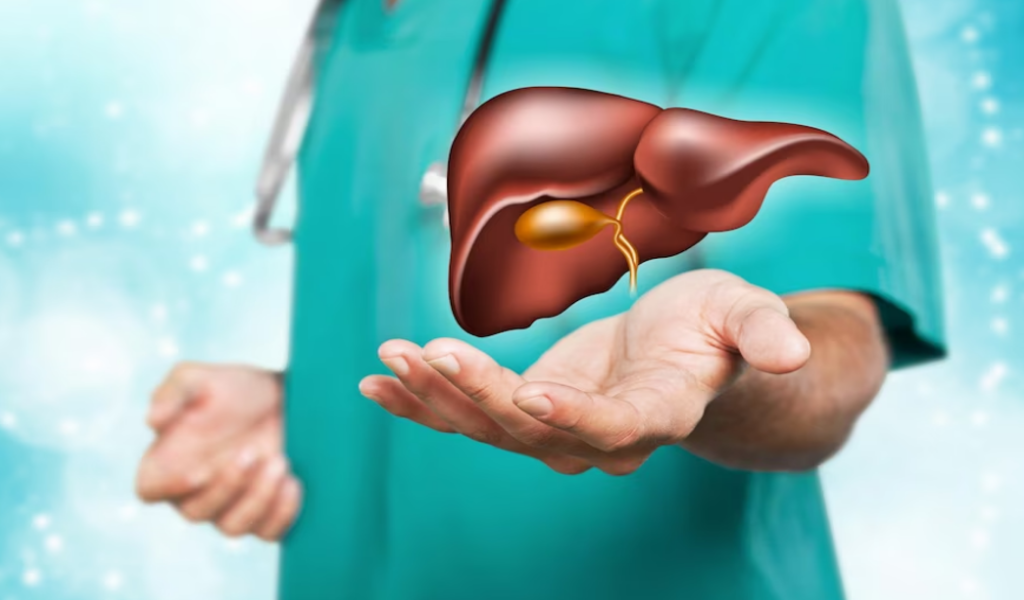
Foods That Support the Liver
Your liver is your powerhouse for detox and fat metabolism, and it runs best when you eat a range of bitters, fiber-rich greens, and fresh produce.
-
Cucumber: Delivers deep hydration and supports the enzymes your liver uses for cleaning up.
-
Green Apple: The malic acid in green apples acts like a gentle cleanser, helping flush byproducts.
-
Cabbage: Loaded with sulfur compounds to activate natural detox pathways.
-
Kiwi: High in vitamin C for antioxidant defense.
-
Broccoli: Rich in glucosinolates, which reset and protect liver function.
-
Parsley: Acts as a natural diuretic, gently lowering the overload on your liver.
Foods That Feed Your Brain
Your brain needs a steady supply of antioxidants and slow-digesting carbohydrates to protect neurons and support memory, learning, and clear thought.
-
Onion: Contains quercetin, a flavonoid linked to slower brain aging and better memory.
-
Berries: Boost BDNF, a protein crucial for new brain cell growth.
-
Grapes: Polyphenols act as neuroprotective antioxidants, supporting long-term brain health.
-
Eggplant: Packs nasunin, which shields neurons from oxidative stress.
-
Cabbage: Vitamin K may support cognition and mental clarity.
-
Prunes & Mulberries: Provide compounds that improve circulation and blood flow to the brain.

Foods That Protect Your Heart
Your heart and blood vessels thrive on a mix of potassium, dietary nitrates, and anti-inflammatory pigments naturally found in colorful fruits and vegetables.
-
Tomato: Lycopene helps keep artery walls flexible and healthy.
-
Apple: Soluble fiber binds to cholesterol, helping keep vessels clean.
-
Watermelon: Contains citrulline, which improves blood flow and circulation.
-
Raspberry: Antioxidants help calm inflammation in blood vessels.
-
Beets: Dietary nitrates lower blood pressure and support vessel elasticity.
-
Bell Pepper: Delivers vitamin C to strengthen vessel walls and improve circulation.