Imagine having an endless supply of your favorite garden flowers without spending a fortune at the nursery. Sounds like a dream, right? Well, it’s an achievable reality thanks to the magic of water propagation! Many popular garden flowers can be easily multiplied from just one cutting, allowing you to expand your garden, share with friends, or simply enjoy the fascinating process of watching new life emerge.
This method is not only cost-effective but also incredibly rewarding. If you’ve ever wanted to try your hand at plant propagation but felt intimidated, water propagation is the perfect starting point. It requires minimal tools and provides a clear visual of root development, making it an excellent learning experience for gardeners of all levels.
 Unlock the secrets to multiplying your garden’s beauty with simple water propagation.
Why Choose Water Propagation?
- Simplicity: No special soil mixes or elaborate setups are required. Just water and a container!
- Visibility: You can clearly see the roots developing, which is exciting and helps you know when it’s time to plant.
- Cost-Effective: Turn one plant into many, saving money on new purchases.
- High Success Rate: Many plants root readily in water, making it a reliable method.
- Decorative: Cuttings in glass jars can be beautiful mini-displays on your windowsill.
The Basics of Successful Water Propagation
Before we dive into specific flowers, let’s cover the fundamental steps to ensure your cuttings thrive:
- Choose Healthy Parent Plants: Select a vigorous, disease-free plant. Healthy cuttings have a much better chance of rooting.
- Make Clean Cuttings: Using sharp, clean pruning shears or a knife, take a cutting from a non-flowering stem. Make the cut just below a leaf node (the bump on the stem where a leaf or branch grows), as this is where hormones are concentrated, encouraging root growth.
- Prepare Your Cutting: Remove any leaves that would be submerged in water. Leaves left in water can rot and contaminate the water, hindering root development.
- Select a Container and Water: Use clear glass containers (jars, bottles, vases) so you can monitor root growth and water clarity. Fill with clean, room-temperature water. Tap water is generally fine, but some prefer filtered water.
- Placement: Place your container in a location with bright, indirect light. Avoid direct sunlight, which can overheat the water and stress the cutting.
- Change Water Regularly: Change the water every few days, or at least once a week, to replenish oxygen and prevent bacterial growth.
- Patience is Key: Rooting times vary greatly by plant type, from a few days to several weeks or even months.
- Transition to Soil: Once roots are about 1-2 inches long, they are ready to be carefully transplanted into a small pot with well-draining potting mix. Keep the soil consistently moist for the first few weeks to help the plant adjust.
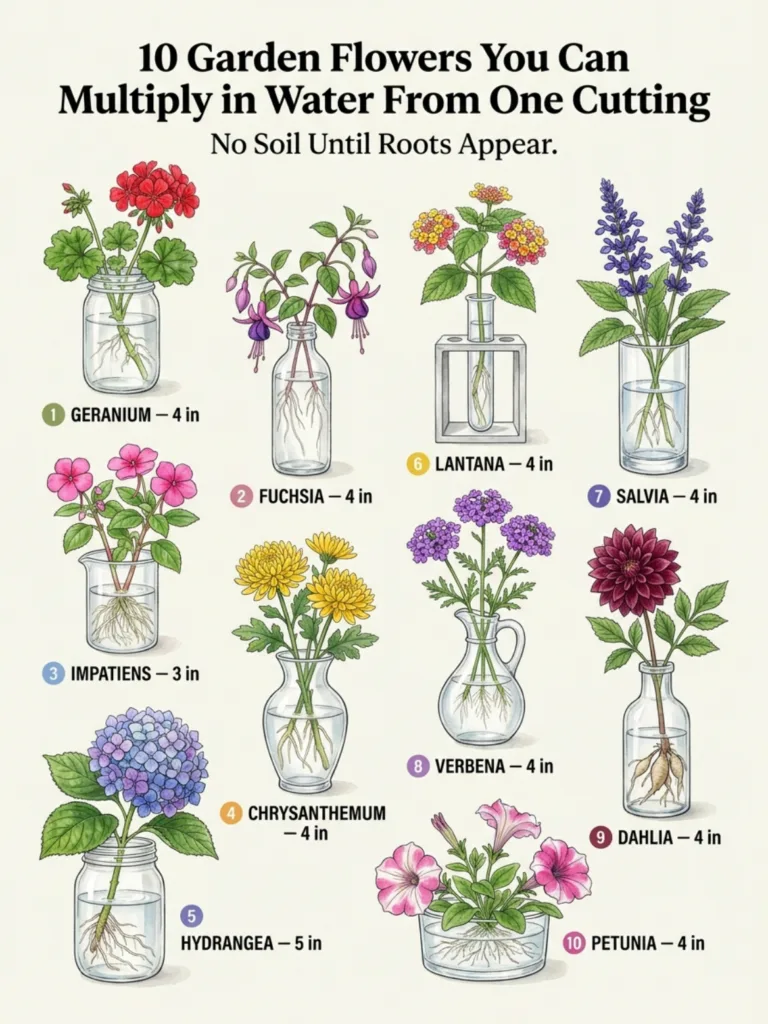
10 Garden Flowers You Can Multiply in Water
Here are 10 popular garden flowers that are excellent candidates for water propagation, along with recommended cutting lengths:
1. Geranium (Pelargonium)
- Cutting Length: Approximately 4 inches (10 cm)
- Tip: Geraniums root quite easily. Allow the cutting to callus over for a few hours after cutting before placing it in water to prevent rot.
2. Coleus (Plectranthus scutellarioides)
- Cutting Length: 4-6 inches (10-15 cm)
- Tip: Coleus is one of the easiest plants to root in water, often showing roots within a week. They make beautiful foliage plants both indoors and out.
3. Impatiens (Impatiens walleriana)
- Cutting Length: 4-6 inches (10-15 cm)
- Tip: These shade-loving annuals root quickly. Take cuttings before they start to flower for best results.
4. Begonia
- Cutting Length: 3-5 inches (7-12 cm)
- Tip: Many types of begonias (fibrous, cane, rex) can be rooted in water. Ensure you have a piece of stem with at least one node.
5. Fuchsia
- Cutting Length: 4-6 inches (10-15 cm)
- Tip: Take cuttings from healthy, non-flowering tips. Fuchsias appreciate consistent moisture and indirect light while rooting.
6. Hydrangea
- Cutting Length: 4-6 inches (10-15 cm)
- Tip: Best taken in late spring to early summer from non-flowering stems. Remove large leaves or cut them in half to reduce moisture loss.
7. Petunia
- Cutting Length: 3-5 inches (7-12 cm)
- Tip: While often grown from seed, petunias can be propagated from cuttings. Choose healthy, trailing stems.
8. Lavender (Lavandula)
- Cutting Length: 3-5 inches (7-12 cm)
- Tip: Semi-hardwood cuttings work best. Lavender can take longer to root in water compared to other plants on this list, so patience is crucial.
9. Salvia
- Cutting Length: 4-6 inches (10-15 cm)
- Tip: Many perennial salvias root well in water. Look for new, healthy growth that isn’t woody.
10. Verbena
- Cutting Length: 3-5 inches (7-12 cm)
- Tip: Take cuttings from healthy, non-flowering shoots in spring or early summer. They generally root within a few weeks.
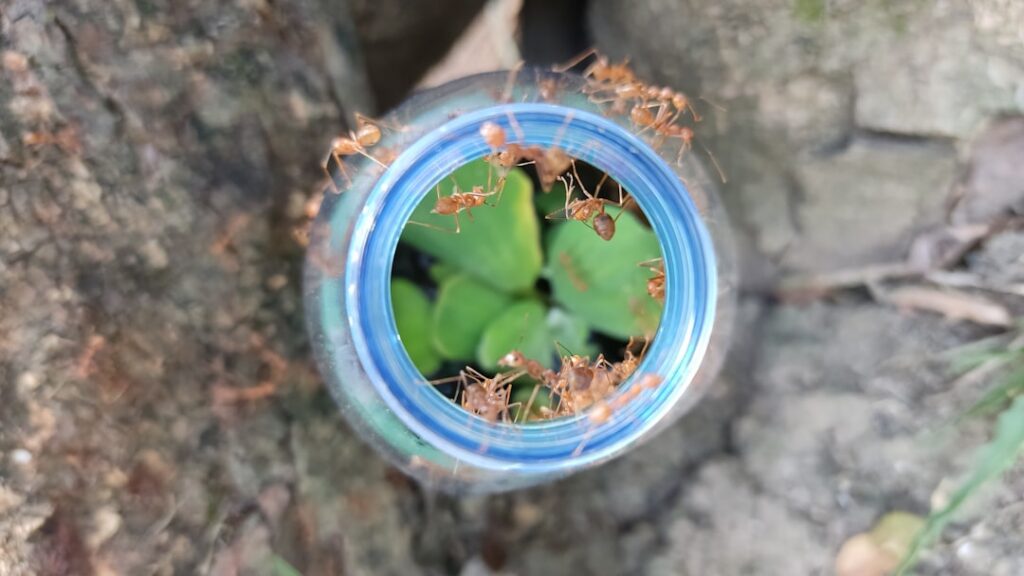 Watch new life take hold as roots begin to form in your water-filled propagation station.
Tips for Maximum Success
- Sterilize Your Tools: Always use clean, sharp shears or a knife to prevent introducing diseases to your cuttings.
- Rooting Hormone (Optional): While many of these plants don’t require it, a dab of rooting hormone on the cut end can sometimes speed up the process, especially for more challenging plants like roses or lavender.
- Humidity: For some plants, covering the cutting and container loosely with a plastic bag can create a humid microclimate, aiding rooting. Ensure air circulation to prevent mold.
- Observation: Regularly check your cuttings for root growth and any signs of rot (mushy stems, foul smell). Remove any affected cuttings immediately.
Ready to Grow?
Water propagation is a delightful and economical way to expand your garden and enjoy more of your favorite flowers. With a little patience and attention to detail, you can turn a single cutting into a thriving new plant. So, grab some scissors, pick your favorite garden flower, and embark on your propagation journey today!
Happy gardening!