Imagine a garden that bursts with vibrant colors year after year, a haven for buzzing bees and fluttering butterflies, all while requiring minimal fuss from you. This isn’t a gardener’s fantasy; it’s the reality you can create by choosing native perennial wildflowers. These resilient beauties, perfectly adapted to their local environments, offer an unparalleled combination of aesthetic charm and ecological benefit.
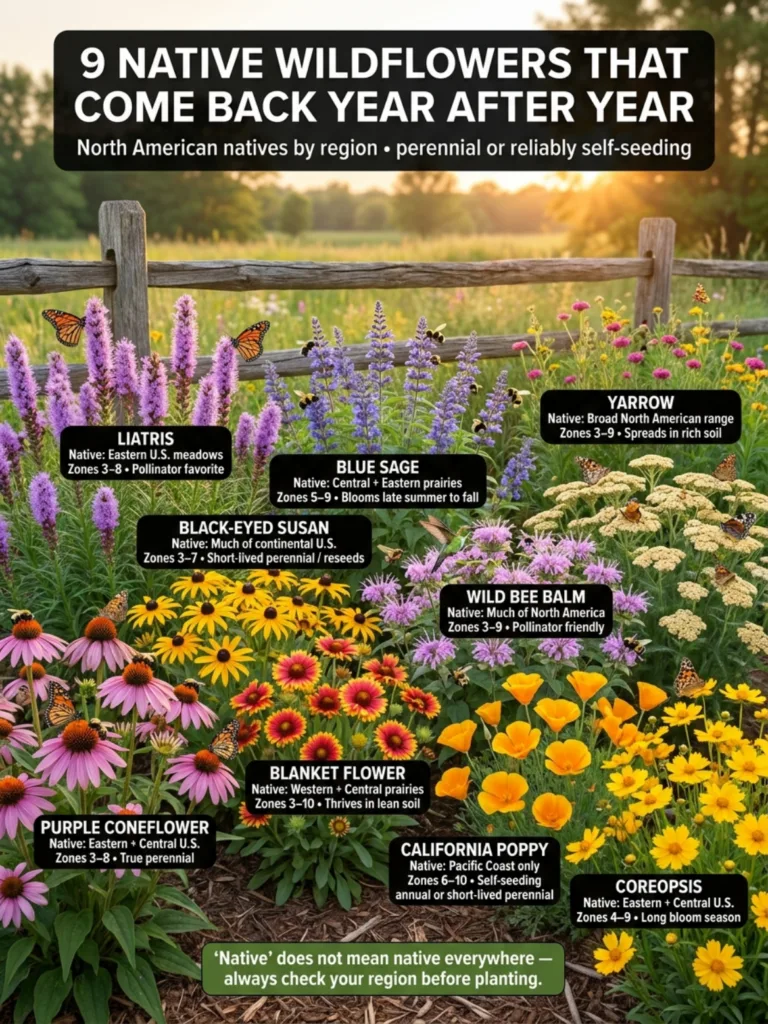 Discover the magic of native perennial wildflowers that return reliably each season.
Why Go Native with Perennials?
Opting for native perennial wildflowers in your North American garden brings a multitude of advantages that benefit both you and the local ecosystem:
Low Maintenance, High Reward
- Self-Sustaining: Once established, native plants are incredibly self-sufficient. They’ve evolved to thrive in your specific climate and soil conditions, reducing the need for constant watering, fertilizing, or pest control.
- Year After Year Return: As perennials, these plants don’t die back after one season. Their roots survive the winter, allowing them to regrow and bloom again each spring, saving you the effort and cost of replanting annually.
- Drought Tolerance: Many native wildflowers are remarkably drought-tolerant, requiring less supplemental water once established, especially crucial in regions with water restrictions or unpredictable rainfall.
Ecological Powerhouses
- Pollinator Magnets: Native wildflowers are the cornerstone of a healthy ecosystem. They provide essential nectar and pollen for local pollinators like bees, butterflies (including iconic Monarchs and Painted Ladies), and hummingbirds, whose populations are in decline.
- Biodiversity Boost: By planting native species, you support a complex web of life, offering food and shelter to local wildlife beyond just pollinators, contributing to a richer and more balanced environment.
- Pest Resistance: Because they are accustomed to the local environment, native plants often have natural defenses against common local pests and diseases, minimizing the need for chemical interventions.
Understanding Perennials: The Gift That Keeps Giving
Unlike annuals, which complete their life cycle in one growing season, perennials are plants that live for more than two years. Their above-ground growth may die back in colder months, but their root systems remain alive, ready to sprout new foliage and flowers when conditions are favorable again. This makes them incredibly valuable for creating a sustainable, long-term garden.
Spotlight on Resilient North American Native Wildflowers
While the vast diversity of North American native wildflowers is incredible, certain types stand out for their beauty, hardiness, and ecological impact. The types of plants that often feature in guides highlighting native perennials for their reliable return include:
- Vibrant Coneflowers: Known for their daisy-like petals and prominent central cones, coneflowers (like Echinacea species) are tough, drought-tolerant, and beloved by bees and butterflies. Thriving in USDA Zones 3-9, they bring stunning purple, pink, or yellow hues to the late summer garden.
- Milkweed Varieties: Essential for Monarch butterflies, milkweeds (Asclepias species) are not only beautiful but also serve as the sole host plant for Monarch caterpillars. Most varieties are suitable for USDA Zones 3-9. Their clusters of unique flowers come in shades of orange, pink, and white.
- Sun-loving Black-Eyed Susans: With their cheerful golden petals and dark centers, Black-Eyed Susans (Rudbeckia hirta) are classic garden favorites. They’re easy to grow, adaptable to USDA Zones 3-9, and bloom profusely through summer and fall, attracting a variety of pollinators.
- Graceful Asters: Bringing a splash of color late in the season, asters are vital food sources for pollinators preparing for winter. Many native asters flourish in USDA Zones 3-8/9. They offer a delicate beauty with their numerous small, star-like flowers in purples, blues, and whites.
- Lacy Coreopsis: Often called Tickseed, Coreopsis species produce abundant yellow, orange, or pink daisy-like flowers. Exceptionally low-maintenance and well-suited for USDA Zones 3-9, they provide continuous blooms over a long period.
- Wild Bergamot (Bee Balm): This unique flower (Monarda fistulosa) with its shaggy, lavender-pink blooms is a magnet for bees, butterflies, and hummingbirds. It’s known for its aromatic foliage, adaptability, and thrives in USDA Zones 3-9.
- Showy Goldenrod: Often mistaken for ragweed, goldenrods (Solidago species) are invaluable late-season nectar sources. Incredibly hardy and adaptable across many species to USDA Zones 3-9, they provide bright yellow spikes that add structure and color.
These examples represent the kind of resilient, beautiful, and ecologically beneficial plants that make native perennial gardening so rewarding. Each has evolved unique traits, from specific bloom times to drought resistance, making them perfect candidates for your garden.
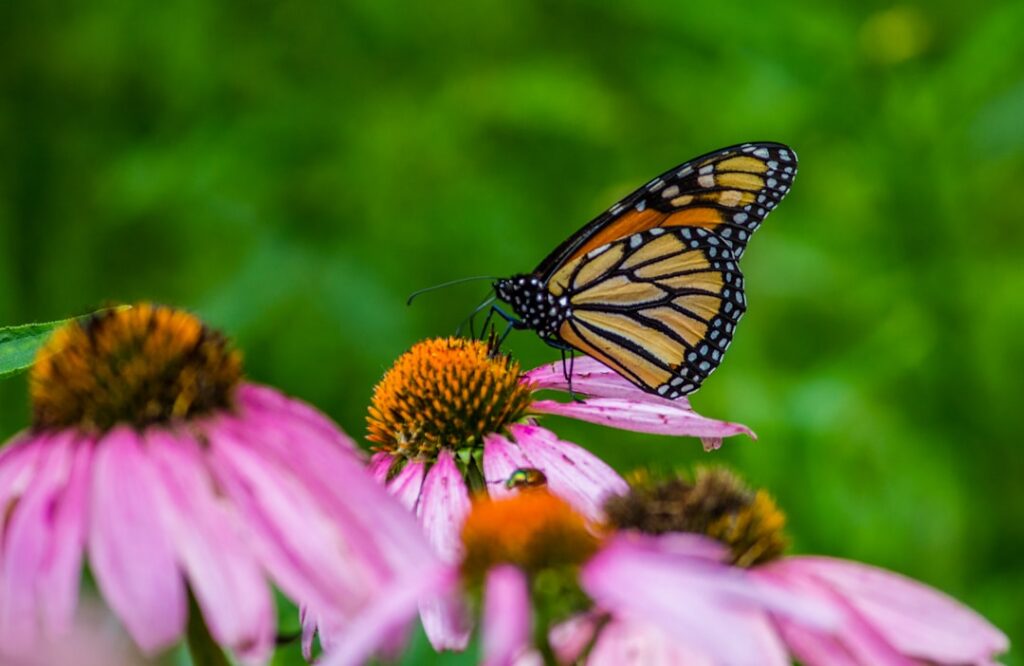 Native wildflowers are crucial for supporting local pollinator populations like the iconic Monarch butterfly.
Getting Started: Planting and Care Tips
Bringing native perennial wildflowers into your garden is straightforward. Here’s how to ensure their success:
Site Selection and Soil Preparation
- Know Your Zone: Always check your specific USDA Plant Hardiness Zone or equivalent local zone. This will help you select plants that are truly native and suited to your climate. The image’s disclaimer to ‘always check one’s region before planting’ is crucial.
- Sunlight Requirements: Most wildflowers thrive in full sun (6+ hours per day), but some prefer partial shade. Match your plant choice to your garden’s light conditions.
- Soil: Native plants are generally tolerant of average soil and don’t require heavy fertilization. Well-draining soil is often key. Avoid over-amending with rich compost unless your soil is extremely poor, as natives are often adapted to leaner conditions.
Planting and Watering
- Planting Time: Spring or fall are generally the best times to plant native wildflowers, giving them time to establish roots before extreme heat or cold.
- Initial Watering: Water newly planted wildflowers regularly until they are established, usually for the first few weeks or months.
- Long-Term Care: Once established, most native perennials require very little supplemental watering, relying on natural rainfall.
Minimal Maintenance
- Deadheading: Removing spent blooms (deadheading) can encourage more flowers, though many gardeners leave some seed heads for winter interest and bird food.
- Pest Control: Avoid pesticides. A healthy native garden will attract beneficial insects that keep pest populations in check naturally.
- Winter Cleanup: Many experts recommend leaving plant stalks standing through winter to provide shelter for beneficial insects and seeds for birds, cutting them back in early spring before new growth begins.
Cultivating a Pollinator Paradise
The beauty of native perennial wildflowers extends far beyond their visual appeal. By choosing these plants, you are actively participating in conservation efforts, providing vital resources for the declining populations of bees, butterflies, and other essential pollinators. Watching these creatures interact with the flowers you’ve planted brings an added layer of joy and connection to nature.
Conclusion
Embracing native perennial wildflowers is a wonderful way to create a vibrant, resilient, and ecologically valuable garden. These plants offer a low-maintenance solution for gardeners who desire beauty that returns year after year, while also supporting the essential wildlife that makes our ecosystems thrive. So, go ahead – research the native beauties best suited for your region and specific USDA Plant Hardiness Zone, plant them, and prepare to enjoy a garden that gives back to you and nature alike.