Strawberries are one of the most beloved fruits, cherished for their vibrant color, juicy sweetness, and irresistible aroma. But have you ever stopped to think about the incredible journey each little berry takes before it lands on your plate? From a tiny seed to a luscious fruit, the life cycle of a strawberry is a fascinating testament to nature’s magic. Join us as we explore the various stages of a strawberry plant’s growth, offering insights and tips for your own garden.
Stage 1: The Seed and Germination
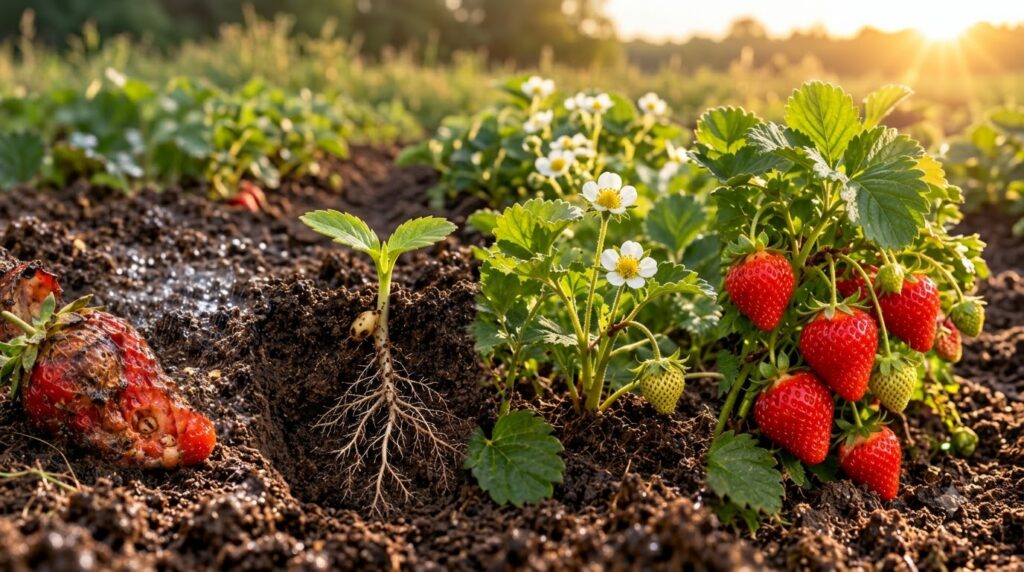
Every strawberry’s journey begins with a seed. Unlike many fruits, strawberry seeds are found on the outside of the fruit, those tiny speckles that dot the surface. While many home gardeners start with bare-root plants or runners, growing from seed is a rewarding experience, though it requires patience.
- Seed Collection: You can harvest seeds from a ripe strawberry by drying the fruit and gently scraping them off.
- Stratification: Strawberry seeds often require a period of cold stratification to mimic winter conditions, encouraging germination. This can be done by placing seeds in moist paper towels in the refrigerator for a few weeks.
- Sowing: Once stratified, sow seeds in a well-draining seed starting mix, barely covering them with soil, and keep them consistently moist. Germination can take anywhere from a few weeks to a month or more.
Stage 2: Seedling and Vegetative Growth
Once your seeds sprout, delicate seedlings emerge. This stage is all about establishing a strong root system and developing healthy foliage. Strawberry plants are known for their ability to spread, often sending out ‘runners’ which are horizontal stems that produce new plants.
- Light Requirements: Provide plenty of light for your seedlings, either from a sunny window or grow lights.
- Watering: Keep the soil consistently moist but not waterlogged.
- Transplanting: Once seedlings have a few true leaves and are strong enough, they can be transplanted into larger pots or directly into your garden bed, ensuring proper spacing.
Stage 3: Flowering
As the strawberry plant matures, it enters its flowering stage, a beautiful prelude to fruiting. Small, white or sometimes pinkish-white flowers appear, signaling that pollination is underway. These flowers are vital for fruit production.
- Pollination: Bees and other pollinators are essential for strawberry flowers to be fertilized, leading to fruit development. Planting pollinator-friendly flowers nearby can encourage this.
- Nutrient Needs: During flowering, the plant benefits from a balanced fertilizer to support bloom production.
Stage 4: Fruiting and Ripening
Following successful pollination, the green berries begin to form. Initially small and firm, they gradually swell and change color, transforming from green to white, then finally to that iconic brilliant red. The ripening process is a race against time, with birds and other critters often eager to get their share.
- Consistent Watering: Keep the soil moist during fruit development to ensure juicy berries.
- Pest Protection: Consider netting or other barriers to protect your ripening fruit from hungry wildlife.
- Sunlight: Ample sunlight is crucial for proper ripening and developing the sweetest flavor.
Stage 5: Harvesting and Beyond
The moment you’ve been waiting for! When the berries are fully red and plump, they are ready to be harvested. Gently twist or snip the stem just above the cap.
- Regular Harvesting: Pick ripe berries daily or every other day to encourage the plant to produce more.
- Plant Longevity: Strawberry plants are typically perennial, meaning they can produce fruit for several years. After the main harvest, you can often trim back some of the older foliage and continue to manage runners to encourage new growth for the next season.
- Winter Care: In colder climates, provide a layer of mulch to protect plants during winter.
Watching a strawberry plant grow from a tiny seed to a harvest of sweet, juicy berries is an immensely satisfying experience for any gardener. It’s a journey filled with anticipation, care, and the simple joy of connecting with nature. We hope this guide inspires you to embark on your own strawberry adventure!