There’s nothing quite like the joy of stepping into your garden and seeing your plants thrive, their leaves green and vibrant, their fruits ripening under the sun. But sometimes, unwelcome guests can threaten to spoil this beautiful scene: garden pests! Don’t despair, fellow gardeners! With a little knowledge and a lot of natural wisdom, you can guard your garden effectively and keep it flourishing.
Why Identifying Pests is Your First Line of Defense
Before you can tackle a garden pest problem, you need to know exactly who you’re dealing with. Different pests require different approaches, and a misidentified intruder can lead to ineffective treatments or even harm your precious plants. Learning to recognize the common culprits and the tell-tale signs of their damage is the most crucial step in protecting your healthy harvest.
Common Garden Pests and Their Calling Cards
Let’s look at a few common pests you might encounter and how to spot them:
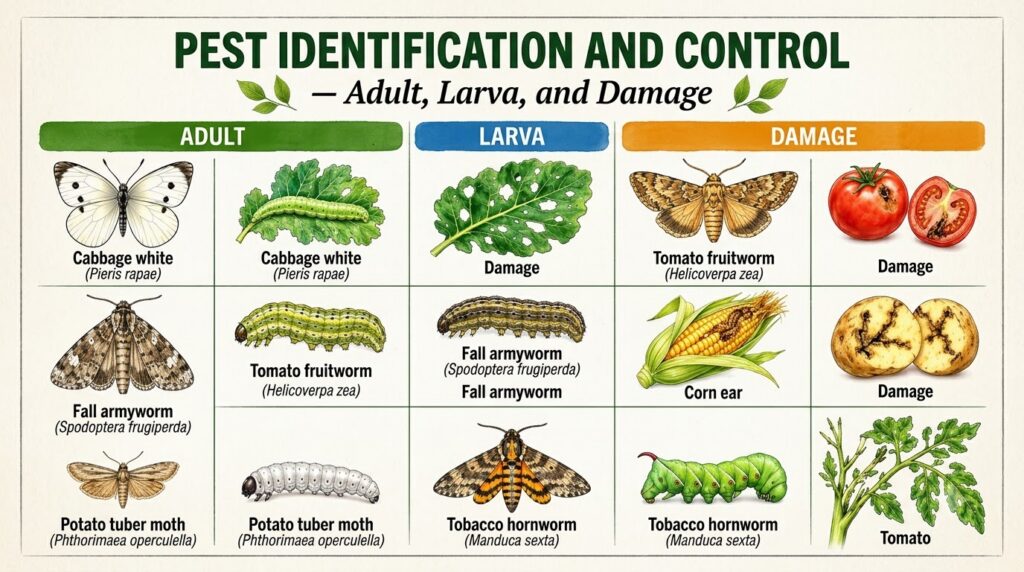
1. Cabbage Worms (Larvae of Cabbage White Butterflies)
- What they look like: Small, velvety green caterpillars that blend in perfectly with cabbage leaves. The adult is a white butterfly with small black spots.
- Damage: Irregular holes chewed through leaves, often leaving behind dark green droppings. They love brassicas like cabbage, broccoli, and kale.
2. Tomato Fruitworms
- What they look like: Caterpillars that vary in color from green to brown with stripes.
- Damage: They tunnel into fruits (especially tomatoes, corn, and beans), making holes and causing decay. You’ll often find a hole with frass (excrement) near it.
3. Aphids
- What they look like: Tiny, pear-shaped insects, often green, black, or red, clustered on new growth or the undersides of leaves.
- Damage: Sucking sap from plants, causing distorted or yellowed leaves. They also excrete a sticky substance called honeydew, which can lead to sooty mold.
4. Slugs and Snails
- What they look like: Slugs are soft-bodied, shell-less mollusks; snails carry a spiral shell. They are most active at night or during damp weather.
- Damage: Leave large, irregular holes in leaves and fruits, often with a characteristic silvery slime trail.
Embracing Natural Solutions for Pest Control
Once you’ve identified your pest, it’s time to act! The good news is that many effective, organic, and natural methods exist to keep your garden healthy without resorting to harsh chemicals.
1. Encourage Beneficial Insects
Many insects are your garden’s best friends! Ladybugs, lacewings, and parasitic wasps prey on aphids and other soft-bodied pests. Plant flowers that attract them, like dill, cilantro, and cosmos.
2. Companion Planting
Certain plants can deter pests when planted near susceptible crops. For instance, marigolds are known to repel nematodes and other soil pests, while nasturtiums can act as a trap crop for aphids.
3. Physical Barriers and Hand-Picking
For larger pests like cabbage worms, tomato hornworms, slugs, and snails, sometimes the simplest method is the best. Physically remove them from your plants (wear gloves!) or use row covers to prevent flying insects from laying eggs. For slugs and snails, shallow traps with beer or cornmeal can be very effective.
4. Homemade Pest Sprays
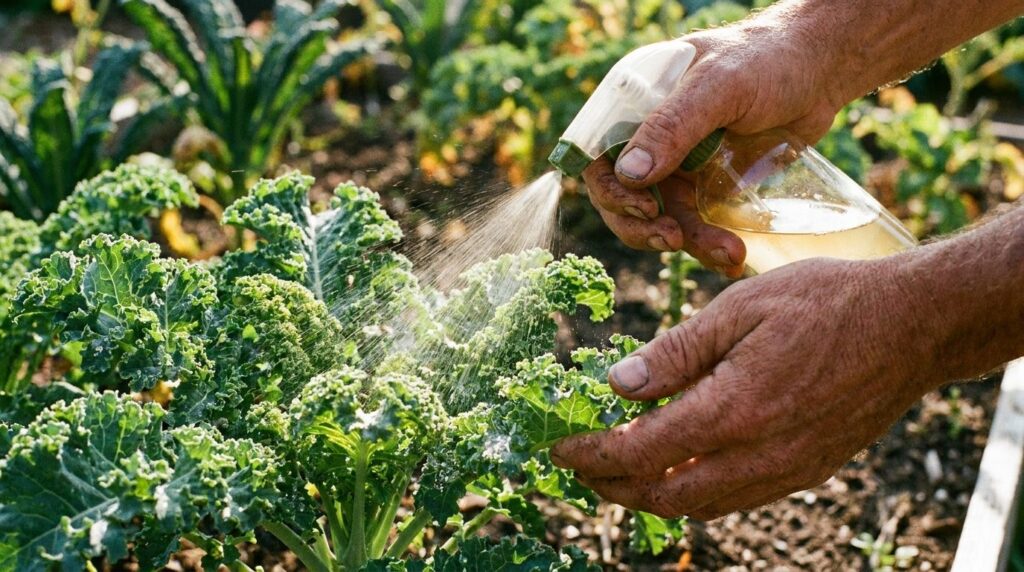
Simple solutions can work wonders. A spray made of mild dish soap and water can suffocate soft-bodied insects like aphids. Neem oil, a natural plant extract, can disrupt the life cycle of many pests without harming beneficial insects or your plants.
DIY Soap Spray: Mix 1-2 teaspoons of mild liquid dish soap with 1 liter of water. Spray directly onto affected plants, ensuring coverage on the undersides of leaves. Repeat every few days as needed.
5. Good Garden Hygiene
Keeping your garden clean and tidy is an underrated pest control method. Remove diseased or infested plant material promptly, clear away weeds that can harbor pests, and ensure good air circulation between plants.
Prevention is Always Better Than Cure
The best pest control is often proactive prevention. Healthy plants are more resilient to pest attacks. Ensure your soil is rich, plants are watered appropriately, and they receive adequate sunlight. Rotating crops each season can also break pest cycles in the soil.
Grow a Thriving, Healthy Garden!
Protecting your garden from pests doesn’t have to be a daunting task. By learning to identify common intruders and implementing natural, organic pest control methods, you can ensure your plants remain healthy and productive. Embrace these friendly strategies, and you’ll soon be enjoying a thriving, beautiful garden, full of life and a bountiful harvest!