Growing cucumbers can be incredibly rewarding, yielding fresh, crisp produce perfect for salads, pickles, and refreshing snacks. But what if you could enhance your cucumber harvest, naturally deter pests, and attract beneficial insects without relying on chemicals? The secret lies in companion planting. By strategically placing certain plants near your cucumbers, you can create a thriving mini-ecosystem that supports robust growth and a healthier garden.
What is Companion Planting?
Companion planting is an age-old gardening technique that involves growing different plant species close to each other for mutual benefit. These benefits can range from natural pest deterrence and attraction of beneficial insects (like pollinators and predators) to improved soil health, enhanced nutrient uptake, and even better flavor or growth for your crops. For cucumbers, selecting the right companions can make a significant difference in the health and productivity of your plants.
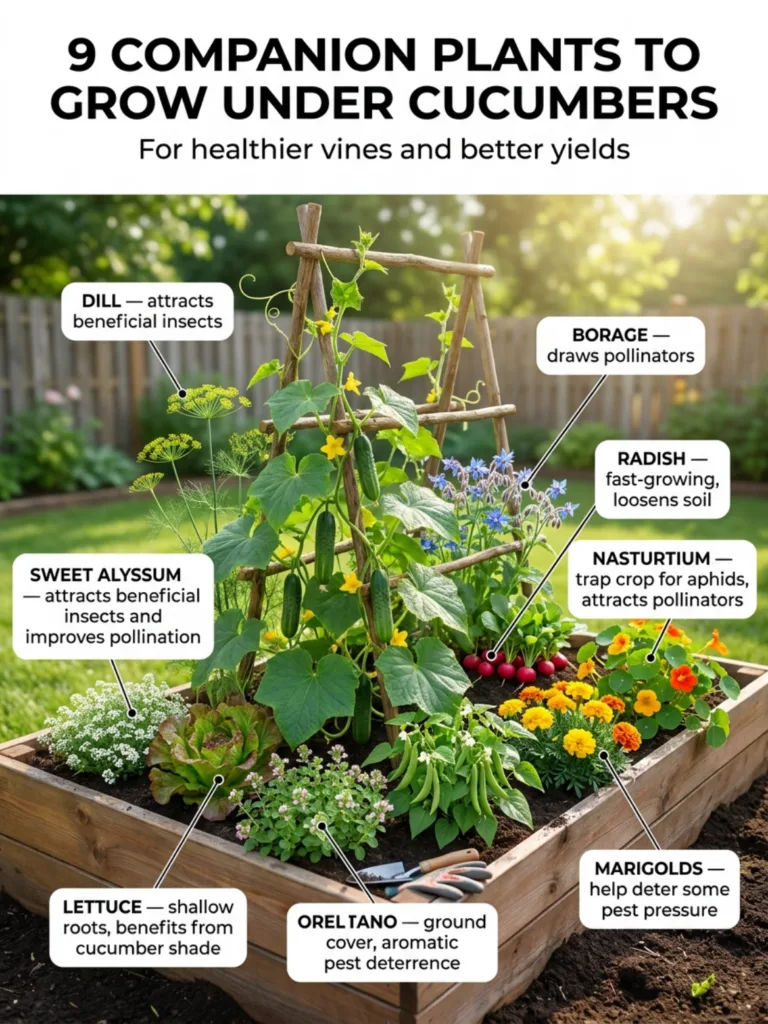 Strategic companion planting around your cucumber plants can significantly improve their health and yield.
Why Companion Plant with Cucumbers?
Cucumbers are vigorous growers that require consistent moisture and nutrient-rich soil. However, they are also susceptible to various pests and diseases. Companion planting addresses these challenges by:
- Deterring Pests: Some companion plants emit scents or compounds that repel common cucumber pests like aphids, cucumber beetles, and squash bugs.
- Attracting Beneficial Insects: Certain flowers and herbs act as magnets for pollinators (essential for fruit set) and predatory insects that feed on harmful pests.
- Improving Soil Health: Some plants can fix nitrogen in the soil or provide ground cover, keeping the soil cool and moist, which cucumbers love.
- Providing Support: Taller plants can offer shade during hot periods or even a natural trellis for climbing varieties.
The Best Companion Plants for Cucumbers
Let’s explore some of the top companion plants that will make your cucumbers thrive, drawing inspiration from successful garden setups:
1. Dill
- Benefit: Attracts beneficial insects like parasitic wasps, lacewings, and hoverflies, which prey on cucumber pests like aphids.
- Tip: Allow some dill to flower; the umbel-shaped flowers are particularly attractive to these helpful insects.
2. Borage
- Benefit: Draws pollinators, especially bees, which are crucial for cucumber fruit development. It’s also believed to deter tomato hornworms and cabbage worms, potentially offering broader garden protection.
- Tip: Borage is a beautiful herb with edible blue flowers that also adds trace minerals to the soil.
3. Radish
- Benefit: Helps deter pest pressure. Radishes grow quickly and can be harvested before cucumbers need more space. Their strong scent may confuse pests.
- Tip: Plant radishes in succession around your cucumber vines for continuous pest deterrence and fresh harvests.
4. Nasturtiums
- Benefit: Acts as an excellent trap crop for aphids. Aphids are highly attracted to nasturtiums, preferring them over your cucumbers. This allows you to easily manage aphids on the nasturtiums, keeping your cucumber plants clear.
- Tip: Both the leaves and flowers of nasturtiums are edible, offering a peppery kick to salads.
5. Marigolds (Tagetes spp.)
- Benefit: Known for deterring various pests, especially nematodes in the soil, and generally reducing pest pressure.
- Tip: Plant African marigolds (Tagetes erecta) for nematode control or French marigolds (Tagetes patula) for general pest deterrence.
6. Lettuce
- Benefit: Provides ground cover, keeping the soil cool and moist around the cucumber roots, which cucumbers appreciate, especially in hot climates.
- Tip: Plant heat-tolerant lettuce varieties that won’t bolt too quickly under the cucumber shade.
7. Sweet Alyssum
- Benefit: Attracts beneficial insects and draws pollinators with its abundant, delicate flowers. It forms a living mulch that suppresses weeds and retains soil moisture.
- Tip: Sweet alyssum is a low-growing annual that spreads beautifully, creating a carpet of tiny flowers around your vegetables.
8. Orel Tano (Specific Beneficial Plant)
- Benefit: Contributes to overall garden health and pest management, though specific benefits can vary by variety or regional understanding. Often, such plants are chosen for their general contribution to biodiversity or specific repellent properties.
- Tip: When introducing less common companion plants, observe their effects on your cucumbers and the surrounding ecosystem.
Other Great Cucumber Companions
- Corn, Beans, & Peas: The classic ‘Three Sisters’ method can be adapted. Corn provides a trellis, beans/peas fix nitrogen, and cucumbers can sprawl around the base, benefiting from the shade and enriched soil.
- Sunflowers: Similar to corn, sunflowers can serve as a natural trellis for climbing cucumber varieties and attract pollinators.
- Oregano: Believed to deter cucumber beetles and other pests.
- Broccoli: While a heavy feeder, broccoli can help shade the soil and potentially confuse pests.
- Root Vegetables (e.g., Carrots, Parsnips): These can help loosen the soil, improving drainage and aeration for cucumber roots, provided they don’t compete excessively for nutrients.
Plants to Avoid Planting Near Cucumbers
Just as some plants are beneficial, others can hinder growth or attract unwanted pests. Avoid planting cucumbers near:
- Aromatic Herbs (e.g., Sage, Rosemary): While good in other parts of the garden, their strong scents can sometimes interfere with cucumber growth or flavor.
- Potatoes: They can compete for nutrients and water, and some studies suggest they may inhibit cucumber growth.
- Melons: As they are in the same family, they can cross-pollinate, leading to odd-tasting fruits, and they share common pests and diseases, which can spread quickly between them.
Tips for Successful Cucumber Companion Planting
- Plan Your Layout: Before planting, sketch out your garden bed to strategically place companion plants.
- Observe Your Garden: Pay attention to how different plants interact. What works well in one garden might need slight adjustments in another.
- Provide Adequate Space: Ensure each plant has enough room to grow without overcrowding, which can lead to air circulation issues and disease.
- Maintain Soil Health: Companion planting works best in conjunction with good soil practices, including regular fertilization and consistent watering.
Conclusion
Embracing companion planting for your cucumbers is a simple yet powerful way to cultivate a healthier, more productive garden. By understanding the symbiotic relationships between plants, you can create a vibrant ecosystem that naturally defends against pests, encourages robust growth, and ultimately leads to a more bountiful harvest. Give these companion planting strategies a try and watch your cucumber patch flourish!