The Unexpected Kitchen Experiment: Toothpaste Meets Coca-Cola
Have you ever found yourself wondering about the surprising reactions everyday household items might have when combined? The world of home hacks and DIY solutions often starts with a curious mind and a willingness to experiment. Today, we’re diving into an intriguing, and somewhat messy, kitchen experiment that has sparked curiosity: what truly happens when toothpaste meets Coca-Cola?
The Experiment Unveiled: A Fizzy Revelation
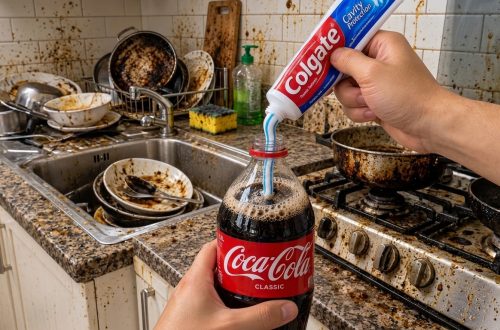
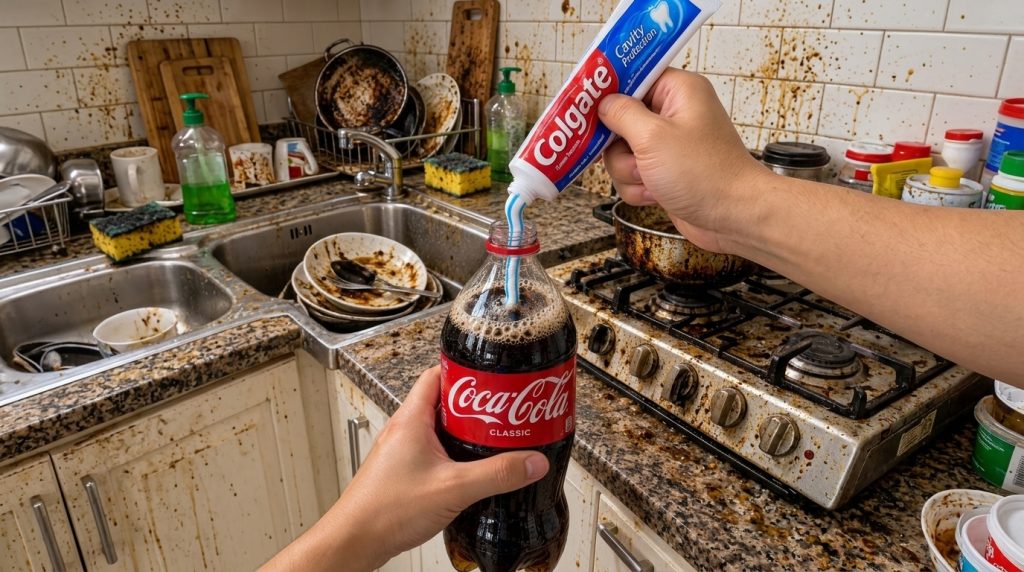
Imagine this: a stream of striped toothpaste plunging into the dark, effervescent depths of a Coca-Cola bottle. The immediate reaction is undeniable – a dramatic fizzing and bubbling that certainly catches the eye. The visual alone prompts questions: Is this a secret cleaning hack? A peculiar science project? Or just a whimsical combination with no real purpose?
While the initial reaction might seem like the prelude to a powerful cleaning solution or a groundbreaking discovery, it’s essential to understand the underlying chemistry before jumping to conclusions. The messy kitchen counter in the background of such an experiment might even suggest a desperate need for a cleaning hack!
The Science Behind the Fizz: What’s Really Happening?
At its core, the interaction between toothpaste and Coca-Cola is a chemical reaction involving acids and bases, along with the physical properties of each substance. Here’s a breakdown:
- Coca-Cola: This popular beverage is known for its high sugar content and, more importantly for this experiment, its acidity. Coca-Cola contains phosphoric acid and carbonic acid (formed when carbon dioxide dissolves in water). These acids give it a low pH.
- Toothpaste: While toothpaste is generally formulated to be slightly alkaline or neutral to protect tooth enamel, it contains various ingredients that can react. Key components include abrasives (like hydrated silica), detergents (like sodium lauryl sulfate, which creates foam), and fluoride. The detergents, in particular, can be sensitive to pH changes.
When the toothpaste hits the acidic Coca-Cola, several things occur:
- Degassing of CO2: The detergents in the toothpaste, particularly sodium lauryl sulfate, act as surfactants. They disrupt the surface tension of the Coca-Cola, making it easier for the dissolved carbon dioxide to escape rapidly. This accelerated release of CO2 is what causes the vigorous fizzing and bubbling you observe.
- Acid-Base Interaction: Some components in the toothpaste, especially if it contains mild bases or carbonates (though less common in modern toothpastes designed for enamel health), could react with the acids in the soda, further contributing to gas production, similar to baking soda and vinegar.
Essentially, the toothpaste speeds up the flatting process of the soda while creating a foamy, messy concoction.
Is It a Cleaning Hack? Separating Fact from Fiction
Given the dramatic reaction, one might hope this mixture could be a hidden gem for cleaning tough stains or grime. Unfortunately, despite the impressive fizz, combining toothpaste and Coca-Cola is unlikely to be an effective or practical cleaning solution for your home.
- Lack of Synergy: The ingredients in toothpaste are designed for oral hygiene, not surface cleaning. While some components like mild abrasives might offer a scrub, the combination with sticky, sugary Coca-Cola often results in a new, even stickier mess.
- Residue Concerns: The sugars in Coca-Cola, when dried, leave behind a sticky residue that can attract dirt and pests. Adding toothpaste, which can also leave a film, only compounds the problem.
- Ineffective for Common Stains: For most household cleaning challenges, the specific chemical properties needed to break down grease, soap scum, or mineral deposits are not present in this combination.
So, while it’s a fascinating display of chemistry, don’t swap your trusty cleaning supplies for a toothpaste and Coke mix just yet!
Common DIY Cleaning Pairings That *Do* Work
Instead of experimental concoctions that might create more mess than they clean, stick to tried-and-true DIY cleaning pairings that leverage common household items effectively. These are budget-friendly, effective, and safe:
- Baking Soda & Vinegar: The classic dynamic duo for unclogging drains, scrubbing tubs, and deodorizing. The fizz here (a true acid-base reaction producing CO2) helps lift grime and neutralize odors.
- Lemon Juice & Salt: Excellent for shining copper, brass, and removing rust stains. The mild acidity of lemon combined with the abrasive power of salt works wonders.
- Hydrogen Peroxide & Baking Soda: A powerful combination for whitening grout, removing stubborn stains, and disinfecting surfaces.
- Vinegar & Water: An all-purpose cleaner for windows, floors, and general surface wiping.
Safety First: General Precautions for Home Experiments
Whenever you’re experimenting with household chemicals, even seemingly innocuous ones, it’s wise to take precautions:
- Ventilation: Ensure good airflow, especially when mixing substances that might produce fumes.
- Protective Gear: Consider gloves to protect your skin from potential irritants.
- Small Scale: Start with small quantities to understand the reaction before scaling up.
- Avoid Ingestion: Keep experimental mixtures away from food and drink preparation areas.
The Takeaway: Curiosity is Key, But Stick to Proven Hacks
The toothpaste and Coca-Cola experiment is a wonderful demonstration of basic chemistry and how everyday items can produce unexpected reactions. It’s a testament to the power of curiosity in exploring the world around us. However, when it comes to practical home cleaning and maintenance, it’s best to rely on well-known, effective, and safe DIY solutions that have been proven over time.
Keep experimenting, keep learning, but always prioritize safety and effectiveness when tackling your home hacks!