Imagine a creature buzzing around your porch light or gracefully floating through your garden, its long legs dangling, its body slender. For many, the immediate thought might be: a giant mosquito! But what if we told you that this perception is often wrong, and these fascinating insects, known as crane flies, are actually harmless and even beneficial? It’s time to clear up the confusion and learn why these gentle giants deserve a place in your garden.
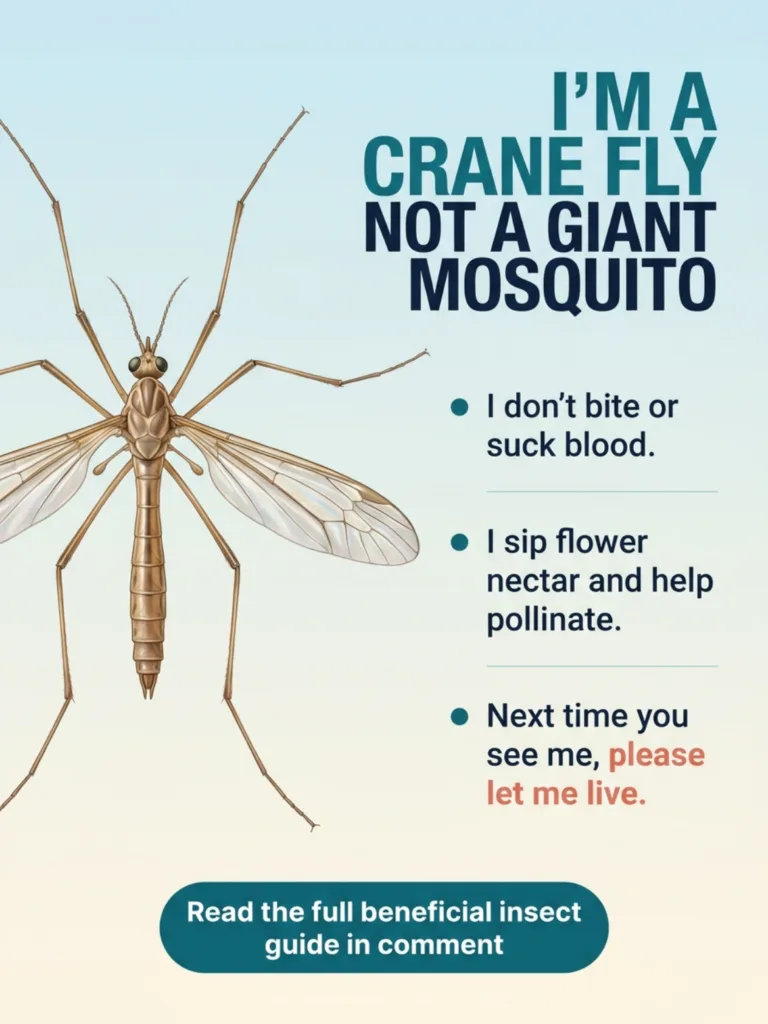 Don’t mistake the gentle crane fly for a giant mosquito!
Meet the Crane Fly: A Misunderstood Marvel
Crane flies (family Tipulidae) are often mistaken for oversized mosquitoes due to their similar, albeit much larger, build. They possess long, delicate legs, a slender body, and transparent wings. Globally, there are thousands of species, varying in size, but all share that characteristic gangly appearance. Unlike the pesky mosquitoes we often swat away, adult crane flies are completely harmless to humans.
They Don’t Bite – Seriously!
One of the biggest misconceptions about crane flies is that they bite or suck blood. This is simply not true. Adult crane flies do not possess the mouthparts necessary for biting. Their mouths are designed for sipping, not piercing. They are not interested in you, your pets, or your blood. This is a crucial distinction that often goes overlooked, leading to unnecessary fear and harm to these innocent insects.
The Crane Fly’s Role in Your Garden’s Ecosystem
So, if they don’t bite, what do crane flies do? Their role in the ecosystem, particularly as adults, is quite beneficial, especially for your garden.
Pollinators and Nectar Sippers
- Pollination Assistance: Adult crane flies primarily feed on flower nectar. As they flit from bloom to bloom, they inadvertently transfer pollen, contributing to the pollination process of various plants. This makes them small, but significant, allies in maintaining plant health and fruit production.
- Food Source: While they are gentle, crane flies themselves become a food source for other creatures in the ecosystem, such as birds, bats, and predatory insects, thus playing a part in the food web.
What About Their Larvae?
While adult crane flies are harmless, their larvae, often called ‘leatherjackets,’ live in the soil and can sometimes be a concern for gardeners. Leatherjackets feed on decaying plant matter and roots, particularly in damp conditions. In large numbers, they might cause damage to turfgrass or young seedlings. However, in a healthy, balanced garden ecosystem, their populations are often kept in check by natural predators and proper garden management. Focusing on soil health and encouraging natural predators can help manage any potential issues.
Coexisting Peacefully with Crane Flies
Understanding the true nature of crane flies can transform your approach to these common garden visitors. Here’s how you can coexist with them:
- Observe, Don’t Harm: The next time you see a crane fly, take a moment to observe its unique appearance. Remember it’s harmless and contributing to your garden’s health. There’s no need to kill them.
- Attract Beneficials: By planting a diverse array of nectar-rich flowers, you can attract not only crane flies but also other beneficial pollinators and insects to your garden.
- Educate Others: Share your knowledge with friends and family! Spreading awareness about the harmless and beneficial nature of crane flies can help dispel common myths.
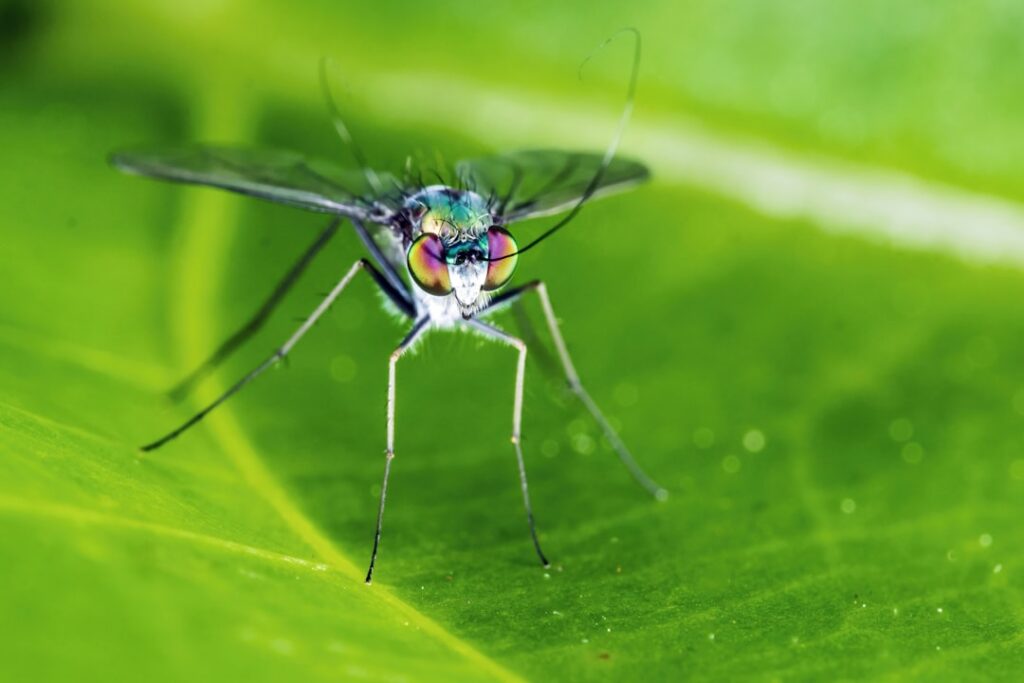 Crane flies are valuable pollinators, gently moving pollen as they seek nectar.
Conclusion: Embrace Your Garden’s Gentle Giants
Crane flies are an intriguing part of our natural world, often unfairly maligned due to their resemblance to mosquitoes. By understanding that they don’t bite, contribute to pollination, and are generally harmless as adults, we can learn to appreciate their presence. So, the next time one of these ‘giant mosquitoes’ flutters into your view, remember its true identity: a gentle garden guest playing its part in the intricate dance of nature. Let them live, and watch your garden thrive.