Imagine waking up to the sweet melodies of cardinals, the cheerful chirps of finches, and the gentle cooing of doves right in your backyard. Creating a garden that welcomes songbirds isn’t just a treat for your senses; it’s a vital contribution to local ecosystems and a rewarding hobby that connects you with nature. Many of our beloved songbird populations face challenges due to habitat loss, but with a few thoughtful additions to your garden, you can turn your outdoor space into a vibrant sanctuary for these beautiful creatures.
This guide will walk you through the essential elements of designing a bird-friendly garden, focusing on plants that provide food, shelter, and nesting sites, ensuring your feathered visitors have everything they need to thrive.
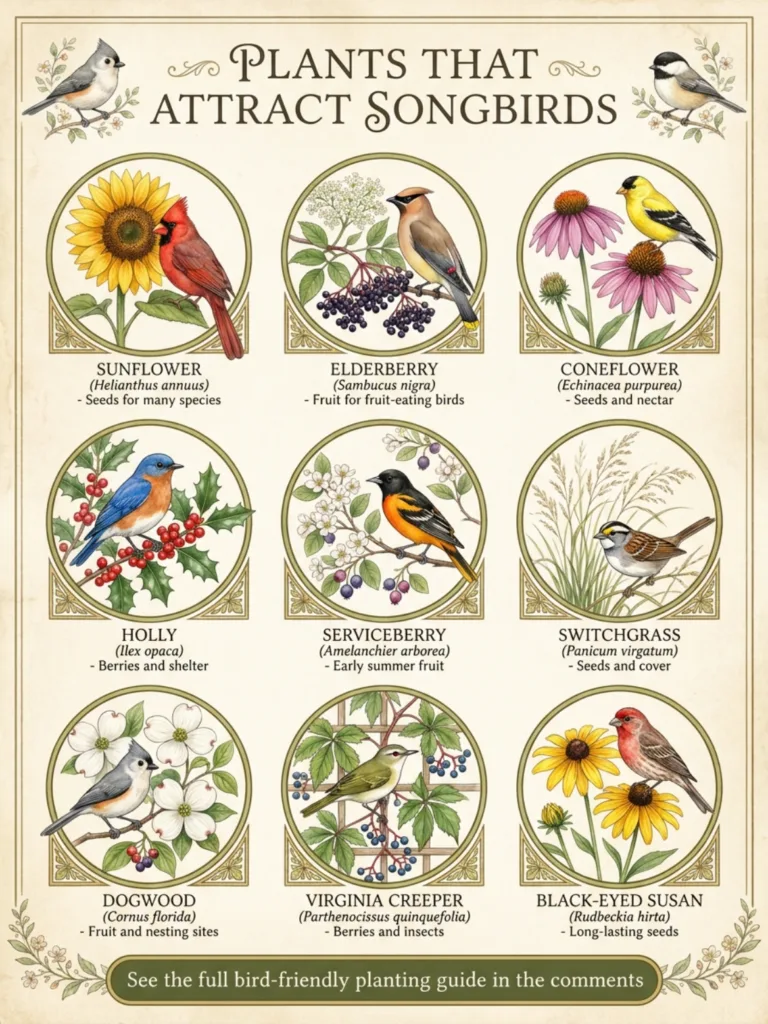 Discover key plants that bring cheerful songbirds to your garden.
The Foundation of a Bird-Friendly Garden
Attracting songbirds isn’t just about scattering birdseed; it’s about creating a holistic habitat that caters to all their needs. Think of your garden as a mini ecosystem where birds can find food, water, shelter, and safe places to raise their young.
1. Prioritize Native Plants
Native plants are the cornerstone of any effective bird-friendly garden. They are adapted to your local climate and soil, require less maintenance, and—most importantly—have co-evolved with local wildlife. This means they provide the specific types of food (seeds, berries, nectar, and insects) that native birds need to survive and thrive. For example, many native insects, which are crucial food for baby birds, can only feed on specific native plants.
2. Diversity Delivers
A varied landscape offers resources for a wider range of bird species. Include a mix of trees, shrubs, perennials, and groundcovers. Different birds prefer different types of vegetation for foraging, nesting, and perching. Taller trees offer perching and nesting spots for larger birds, while dense shrubs provide cover and berries for smaller species.
3. Offer Diverse Food Sources
Birds need a consistent food supply throughout the year. Focus on plants that provide:
- Seeds: Many songbirds, especially finches and sparrows, rely heavily on seeds.
- Berries and Fruits: Essential for fruit-eating birds like robins, waxwings, and bluebirds, especially in fall and winter.
- Nectar: Attracts hummingbirds and orioles.
- Insects: A primary food source for many nesting birds and their young. Native plants support a healthy insect population.
4. Provide Fresh Water
Water is just as crucial as food. A reliable water source for drinking and bathing will attract birds even if your garden isn’t packed with their favorite plants. A simple bird bath, kept clean and filled, can make a huge difference. Consider adding a small dripper or mister to create movement, which further entices birds.
5. Create Shelter & Nesting Sites
Birds need safe places to escape predators, shelter from harsh weather, and build nests. Dense shrubs, evergreen trees, and thorny bushes offer excellent protection. Leaving some dead snags or old trees (if safe to do so) can also provide nesting cavities or perching spots.
6. Go Chemical-Free
Pesticides and herbicides can be deadly to birds, either directly or indirectly by contaminating their food sources. Embrace organic gardening practices and allow beneficial insects to control pests naturally. A healthy, diverse garden ecosystem will naturally keep pest populations in check.
Top Plants to Welcome Songbirds
Let’s dive into some specific plant recommendations that are champions for attracting songbirds:
For Seed Lovers:
- Sunflowers (Helianthus annuus): A classic choice! Their large seed heads are a magnet for finches, chickadees, and nuthatches. Plant several for a continuous feast.
- Purple Coneflower (Echinacea purpurea): Beyond its beauty, coneflowers provide seeds that attract goldfinches, especially as the flower heads dry.
- Black-Eyed Susan (Rudbeckia hirta): Similar to coneflowers, these cheerful yellow flowers produce seeds relished by a variety of finches.
For Berry & Fruit Enthusiasts:
- Serviceberry (Amelanchier canadensis): Also known as Juneberry, these small trees produce delicious berries in late spring/early summer, highly prized by robins, cedar waxwings, and bluebirds.
- Elderberry (Sambucus canadensis): Produces clusters of dark berries in late summer, a favorite of many fruit-eating birds, including mockingbirds and catbirds.
- American Beautyberry (Callicarpa americana): Its striking clusters of bright purple berries persist into winter, providing a crucial food source when other options are scarce for thrashers, robins, and vireos.
- Red Osier Dogwood (Cornus sericea): Offers both berries and dense cover. Its vibrant red stems provide winter interest while its white berries feed many bird species.
For Nectar Sippers:
- Cardinal Flower (Lobelia cardinalis): With its brilliant red flowers, this plant is a hummingbird magnet.
- Trumpet Honeysuckle (Lonicera sempervirens): A native vine with trumpet-shaped flowers, perfect for hummingbirds and providing climbing cover.
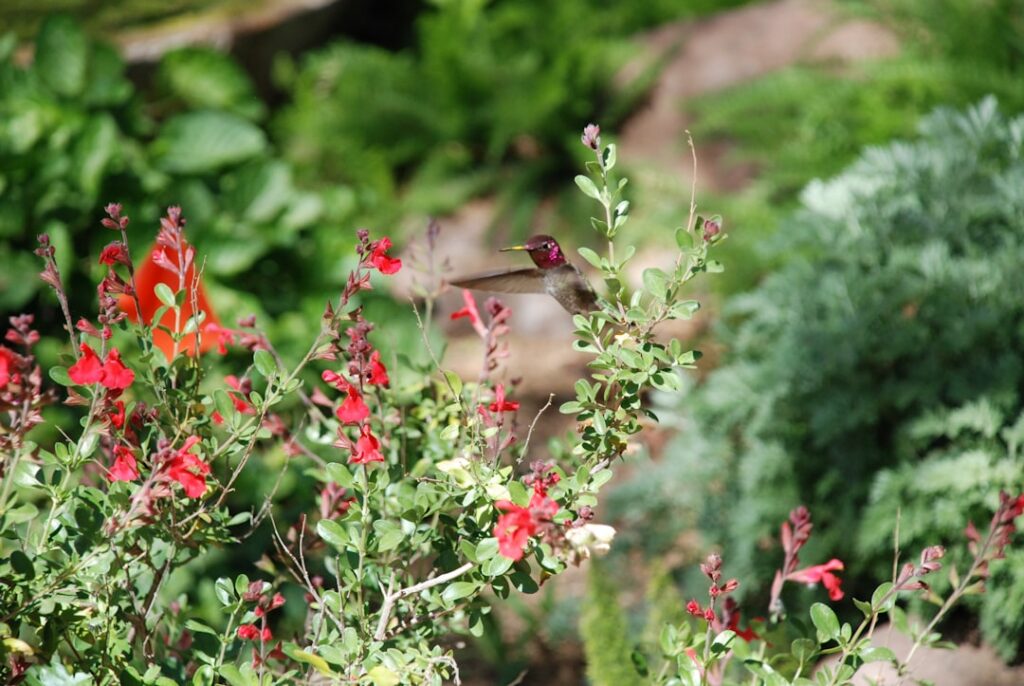 A diverse array of native plants creates a lively feeding ground for various songbirds.
Beyond Plants: Other Essentials for Your Bird Sanctuary
While plants form the backbone of a bird-friendly garden, a few other elements can significantly enhance its appeal:
Water Features
A simple bird bath can be transformative. Ensure it’s not too deep (1-2 inches is ideal) and has a textured surface for easy gripping. Regular cleaning is crucial to prevent disease. Consider placing it near protective cover so birds can quickly retreat if needed.
Supplemental Feeders (Use Wisely)
While natural food sources are best, feeders can supplement diets, especially during harsh weather or migration. Offer a variety of seeds like black oil sunflower, nyjer, and cracked corn. Always keep feeders clean to prevent the spread of disease.
Leave it a Little Wild
Resist the urge for a perfectly manicured lawn. Patches of taller grasses, brush piles, or even fallen leaves provide foraging opportunities, insect habitat, and nesting materials. Letting a corner of your garden go a little wild can be incredibly beneficial for birds.
Conclusion
Transforming your garden into a haven for songbirds is a rewarding journey that benefits both you and the environment. By thoughtfully selecting native plants that provide essential food and shelter, offering fresh water, and adopting chemical-free practices, you’ll soon be enjoying the vibrant sights and sounds of your feathered friends. Start small, observe which birds visit, and gradually expand your efforts. Your backyard oasis will not only become a bustling hub of activity but also a testament to the beauty and importance of connecting with the natural world.