Spring Pruning Essentials: Act Now for Thriving Fruit Trees!
As the days grow longer and a hint of warmth returns to the air, many gardeners eagerly anticipate spring. But before the full flush of green emerges, there’s a crucial task that can make all the difference for your fruit harvest: spring pruning! Acting now, before the sap begins to flow and buds fully swell, is key to encouraging vigorous growth, better fruit production, and overall tree health. Let’s dive into why and how to tackle this essential gardening chore.
Why Prune Before Sap Flow?
Pruning your fruit trees while they are still dormant (before the sap rises significantly) offers several advantages:
- Reduced Stress: The tree is not actively growing, so pruning causes less stress and allows it to recover more easily once spring growth begins.
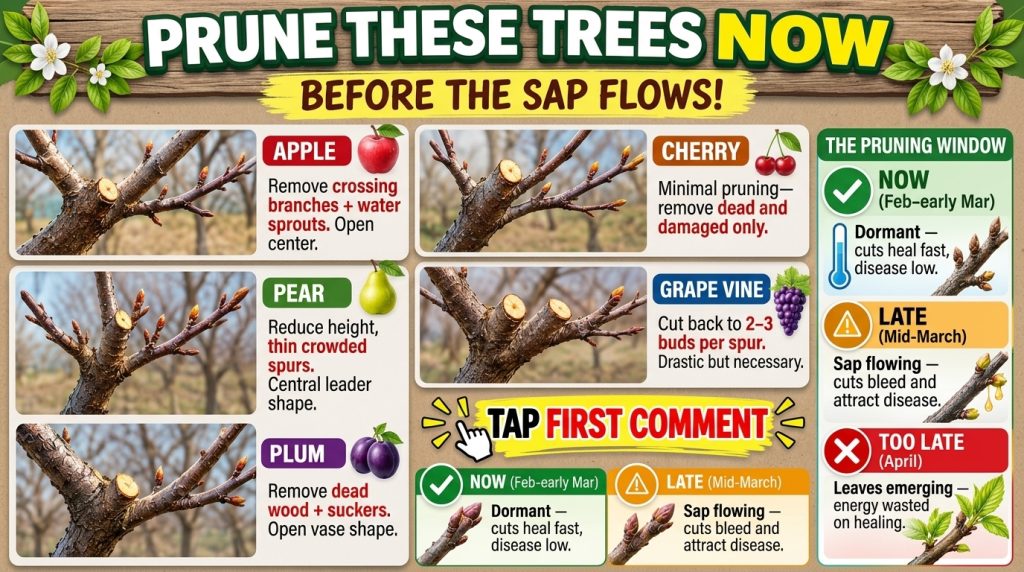
- Disease Prevention: Wounds heal more quickly when the tree is dormant, minimizing the risk of disease entry.
- Clear Visibility: Without leaves, it’s much easier to see the tree’s structure, identify dead or diseased branches, and make informed cuts.
- Better Fruit Production: Pruning encourages the tree to put its energy into developing stronger fruiting wood and larger, higher-quality fruit.
Identifying the Best Time for Your Fruit Trees
The optimal pruning window can vary slightly depending on your climate and the specific type of fruit tree. Generally, late winter to early spring, just before bud break, is ideal. Here’s a general guide for common fruit trees:
Apples and Pears
These pome fruits are best pruned in late winter or early spring while they are fully dormant. Focus on removing dead, diseased, or damaged branches, as well as any crossing branches that might rub and create wounds. Thin out crowded areas to improve air circulation and sunlight penetration, which are crucial for fruit development and disease prevention.
Plums and Cherries (Stone Fruits)
Unlike pome fruits, stone fruits (including peaches, nectarines, and apricots) are often best pruned in late spring or early summer after they have leafed out and are actively growing. This helps to reduce the risk of certain fungal diseases like Silver Leaf, which can enter through fresh wounds during dormant periods. However, light dormant pruning to remove dead or truly problematic branches can still be done in late winter in drier climates. Always consult local recommendations for specific timing.
Grape Vines
Grapevines are heavy bleeders, meaning they can lose a lot of sap if pruned too late. The best time to prune grapevines is in late winter when they are fully dormant, before the sap starts flowing (typically around February or March, depending on your region). This involves removing most of the previous year’s growth, leaving only a few healthy canes to bear fruit.
Essential Pruning Techniques and Tips
- Use Clean, Sharp Tools: Always sterilize your pruning shears, loppers, and saws before and after use (and between trees) to prevent the spread of diseases. Sharp tools make clean cuts that heal faster.
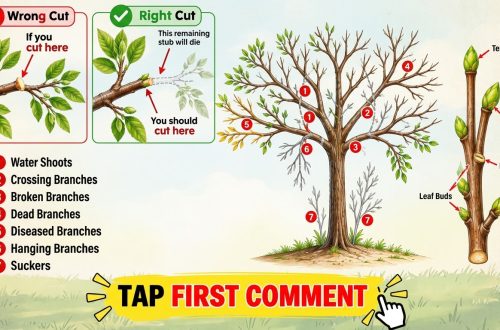
- Remove the “3 Ds”: Prioritize removing dead, diseased, or damaged branches first. These are not contributing to the tree’s health or fruit production.
- Improve Airflow and Light: Thin out branches that grow inward, cross each other, or create dense clusters. Good air circulation is vital for preventing fungal issues, and sunlight is necessary for fruit ripening.
- Shape for Structure: Aim for an open structure that allows light to reach all parts of the tree. For most fruit trees, a modified central leader or open vase shape works well.
- Don’t Overdo It: A general rule of thumb is not to remove more than 25-30% of the tree’s total canopy in a single year. Excessive pruning can stress the tree and reduce future harvests.
- Safety First: Wear appropriate protective gear, including gloves and eye protection. Use a stable ladder if needed and never prune branches that are too high or require you to overreach.
Get Ready for a Bountiful Harvest!
Spring pruning is an investment in the future health and productivity of your fruit trees. By taking the time to prune correctly before the sap flows, you’re setting the stage for a season of vibrant growth and delicious fruit. So, grab your pruners and get ready to help your garden thrive!
Do you have any go-to pruning tips or favorite fruit trees you love to care for? Share your insights in the comments below!