Your Ultimate Garden Pest Control Guide: Harnessing Nature’s Allies
Every gardener dreams of a lush, thriving space free from the relentless attack of pests. While chemical solutions might offer a quick fix, they often harm beneficial insects, pollute the environment, and can even be detrimental to the health of your plants in the long run. What if we told you there’s a natural, sustainable, and highly effective way to keep your garden pest-free? Welcome to the wonderful world of beneficial insects and companion planting!
At Garden – L. Quyên, we believe in working with nature, not against it. By understanding the intricate balance of your garden ecosystem, you can invite powerful allies that do the hard work for you, ensuring a healthier, happier garden.
The Power of Beneficial Insects: Your Garden’s Tiny Guardians
Beneficial insects are the unsung heroes of the garden. These tiny creatures prey on common garden pests, helping to keep their populations in check without the need for harsh chemicals. Think of them as your garden’s natural pest patrol!
Who Are These Heroes?
- Ladybugs: Famous for devouring aphids, mealybugs, and other soft-bodied pests.
- Lacewings: Their larvae, often called ‘aphid lions,’ are voracious eaters of aphids, thrips, and mites.
- Hoverflies: While adults pollinate, their larvae feast on aphids and other small pests.
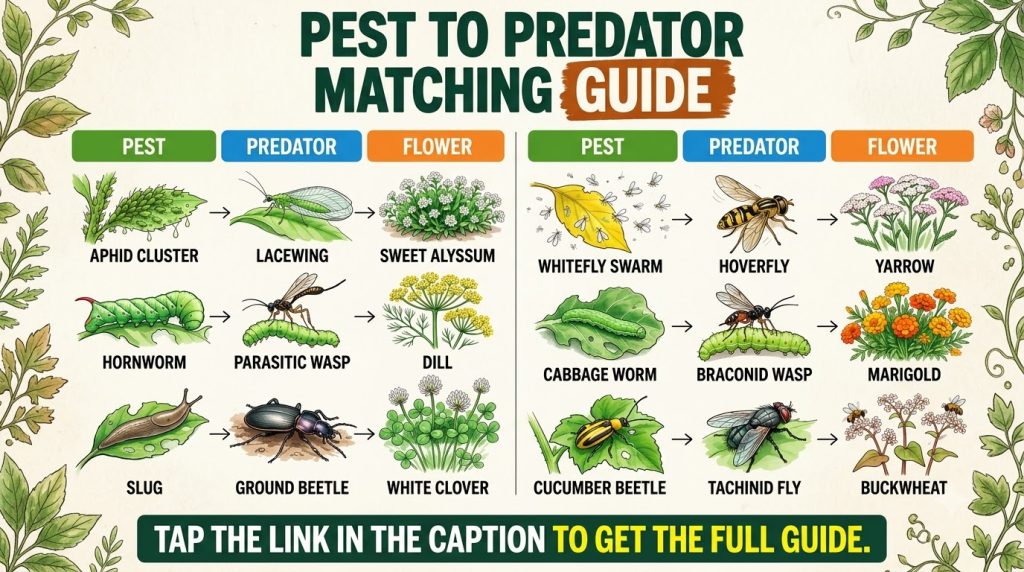
- Parasitic Wasps: Tiny but mighty, these wasps lay their eggs inside or on pests like aphids, hornworms, and cabbage worms, eventually killing them.
- Praying Mantises: Excellent generalist predators, they’ll eat almost any insect they can catch.
By encouraging these insects to take up residence in your garden, you create a self-sustaining pest control system.
Companion Planting: A Gardener’s Best Friend
Companion planting is an ancient practice that involves growing different plants together for mutual benefit. When it comes to pest control, certain flowers and herbs can act as magnets for beneficial insects, drawing them into your garden where they can get to work.
Flowers That Attract Good Bugs:
- Sweet Alyssum: Its tiny white flowers provide nectar for tiny parasitic wasps and hoverflies, making it an excellent ground cover.
- Dill: A magnet for lacewings, ladybugs, and parasitic wasps, especially useful near vegetables susceptible to aphids.
- Marigolds: Known to repel nematodes and attract beneficial insects, making them great companions for many plants.
- Yarrow: Attracts ladybugs, lacewings, and predatory wasps with its flat-topped flower clusters.
- Cosmos: These beautiful flowers attract lacewings and parasitic wasps.
By strategically placing these plants throughout your garden, you’re essentially setting up an irresistible buffet and safe haven for your pest-fighting allies.
Creating a Welcoming Habitat for Beneficials
Attracting beneficial insects isn’t just about planting the right flowers; it’s also about creating an environment where they want to stay and thrive.
Tips for an Insect-Friendly Garden:
- Provide Water Sources: A shallow dish with pebbles or a bird bath can offer a safe drinking spot for beneficials.
- Offer Shelter: Consider leaving a small patch of wildflowers or tall grasses, or even a ‘bug hotel,’ to give them refuge.
- Avoid Broad-Spectrum Pesticides: These chemicals kill indiscriminately, wiping out your beneficial population along with the pests. If you must spray, opt for organic, targeted solutions and apply them carefully.
- Diversify Your Planting: A variety of plants provides a continuous source of nectar, pollen, and shelter throughout the growing season.
- Practice Patience: It takes time for an ecosystem to establish itself. Be patient, and you’ll soon see the natural balance take hold.
Embrace Natural Pest Control for a Healthier Garden
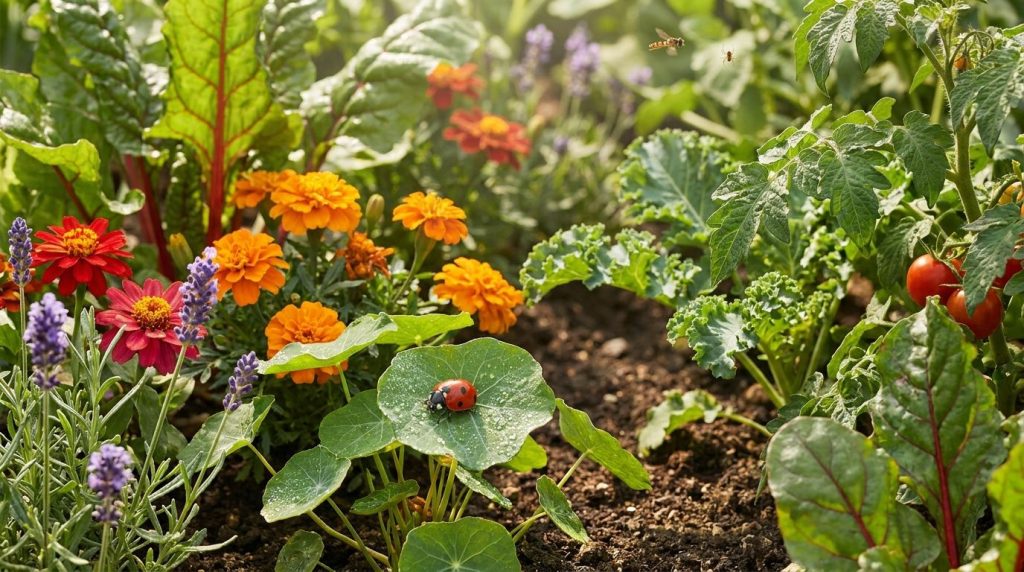
Shifting to natural pest control methods like attracting beneficial insects and companion planting is a rewarding journey. Not only will you reduce your reliance on chemicals, but you’ll also foster a more resilient and biodiverse garden ecosystem. You’ll witness nature’s incredible solutions firsthand and enjoy the fruits (and vegetables, and flowers!) of a truly harmonious garden.
Ready to invite these tiny heroes into your garden? Start by observing what’s already there, then strategically introduce plants that attract the allies you need. Your garden, and the planet, will thank you!