Are you looking to add a touch of excitement to your home garden? While familiar staples like tomatoes, lettuce, and cucumbers are wonderful, there’s a whole world of unique vegetables waiting to be discovered and grown right in your backyard! Expanding your harvest beyond the usual suspects can be incredibly rewarding, offering new flavors, textures, and gardening experiences. Plus, many unusual varieties are often easier to grow than you might think and can thrive in various climates.
At Garden – L. Quyên, we believe every gardener, no matter their experience level, can find joy in cultivating something new and extraordinary. Let’s dive into some fascinating vegetables that might just become your new garden favorites!
Why Grow Unusual Vegetables?
- Unique Flavors: Introduce exciting new tastes to your culinary repertoire.
- Increased Biodiversity: Support a wider range of plant life in your garden.
- Pest Resistance: Some lesser-known plants can be more resistant to common pests and diseases.
- Conversation Starters: Impress your friends and family with your unusual harvest!
- Nutritional Diversity: Enjoy a broader spectrum of vitamins and minerals.
9 Unusual Vegetables to Try in Your Garden
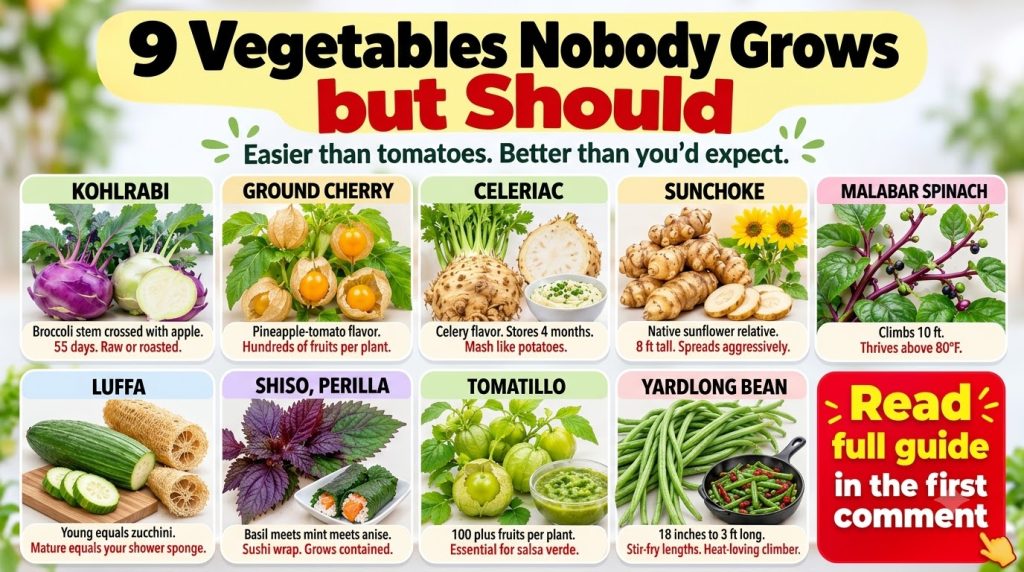
1. Kohlrabi: The Alien Cabbage
Kohlrabi looks like a spaceship landed in your garden, but don’t let its appearance fool you! This cruciferous vegetable, a relative of cabbage and broccoli, has a mild, sweet flavor reminiscent of broccoli stems or water chestnuts. Both the bulb and the leaves are edible.
- Growing Tips: Plant in full sun and well-drained soil. Kohlrabi prefers cooler weather, making it great for spring or fall planting. Harvest when the bulbs are 2-3 inches in diameter for the best taste and tenderness.
2. Ground Cherry: Nature’s Candy
These delightful little fruits are encased in a papery husk, much like a tomatillo. Ground cherries offer a sweet, slightly tart, tropical flavor, often compared to pineapple or mango. They’re perfect for snacking, jams, or pies.
- Growing Tips: Treat them like tomatoes! Plant in full sun after the last frost. They are prolific producers and will drop their ripe fruit to the ground, hence the name.
3. Celeriac: The Rooty Wonder
Celeriac, or celery root, is a knobby, earthy vegetable with a flavor that combines celery and parsley. It’s incredibly versatile, delicious mashed, roasted, or grated raw into salads.
- Growing Tips: Celeriac needs a long, cool growing season and consistent moisture. Plant in rich, well-drained soil in full sun. Mulching can help retain soil moisture.
4. Sunchoke (Jerusalem Artichoke): The Perennial Delight
Not an artichoke and not from Jerusalem, sunchokes are actually tubers from a type of sunflower! They have a slightly sweet, nutty flavor and a crisp texture when raw, softening when cooked. They are fantastic roasted or pureed into soups.
- Growing Tips: Sunchokes are incredibly easy to grow and can become quite invasive, so consider planting them in a dedicated bed or container. Plant tubers in spring in full sun. They’re very cold-hardy and produce beautiful sunflower-like blooms.
5. Malabar Spinach: Heat-Loving Vine
If summer heat makes your traditional spinach bolt, Malabar spinach is your answer! This vining plant thrives in warm weather and offers thick, succulent leaves with a mild, peppery flavor. It’s excellent in stir-fries, soups, or salads.
- Growing Tips: Plant seeds or cuttings after the last frost. Provide a trellis or support for its vining habit. It loves full sun and consistent moisture.
6. Luffa: Edible Sponge Gourds
Yes, the same luffa you might use in your shower can be eaten! When young and tender, luffa gourds have a mild, slightly sweet taste, similar to zucchini or cucumber. They are delicious in Asian-inspired dishes.
- Growing Tips: Luffa needs a long, warm growing season and strong support for its heavy fruits. Plant in full sun and rich, well-drained soil. Harvest when small (6-8 inches) for eating. If left to mature, they develop their fibrous sponge interior.
7. Shiso (Perilla): Aromatic Herb
Shiso, also known as Perilla, is a highly aromatic herb popular in Asian cuisine. It comes in green and red varieties, offering flavors ranging from minty and basil-like to slightly spicy and anise-like. It’s excellent in salads, sushi, or as a garnish.
- Growing Tips: Plant in partial to full sun. Shiso can self-seed readily, so be mindful of its spread. It’s fairly low-maintenance and thrives in various soil types.
8. Tomatillo: Tangy Salsa Star
A staple in Mexican cuisine, tomatillos are tart, green fruits encased in a papery husk. They are essential for authentic salsa verde and can also be roasted or used in stews. Their tangy flavor adds a unique kick to many dishes.
- Growing Tips: Grow like tomatoes, but plant at least two for good pollination, as they are not self-pollinating. Provide full sun and well-drained soil. The husk will split when the fruit is ripe.
9. Yardlong Bean: The Super Long Green Bean
As their name suggests, these beans can grow up to 18-30 inches long! Also known as asparagus beans, they have a slightly different flavor and firmer texture than common green beans. They are fantastic in stir-fries or lightly steamed.
- Growing Tips: Yardlong beans are heat-loving and require a trellis or pole for support due to their vining nature. Plant in full sun after all danger of frost has passed. Harvest frequently to encourage more production.
Start Your Adventure!
Stepping outside your gardening comfort zone can bring immense satisfaction and incredible flavors to your table. These unusual vegetables are not only intriguing to grow but also offer delightful culinary experiences. Don’t be afraid to experiment and discover new favorites that thrive in your home garden!
Which unusual veggie are you most excited to try first? Share your thoughts and any experience with these unique plants in the comments below. Happy gardening!