Imagine a garden where you plant certain crops just once, and they reward you with fresh produce year after year. This isn’t a gardener’s fantasy; it’s the reality of cultivating perennial food crops. These remarkable plants offer a sustainable, labor-saving, and incredibly rewarding way to fill your pantry and plate. If you’re looking to reduce gardening effort while maximizing your yield, perennial edibles are your answer.
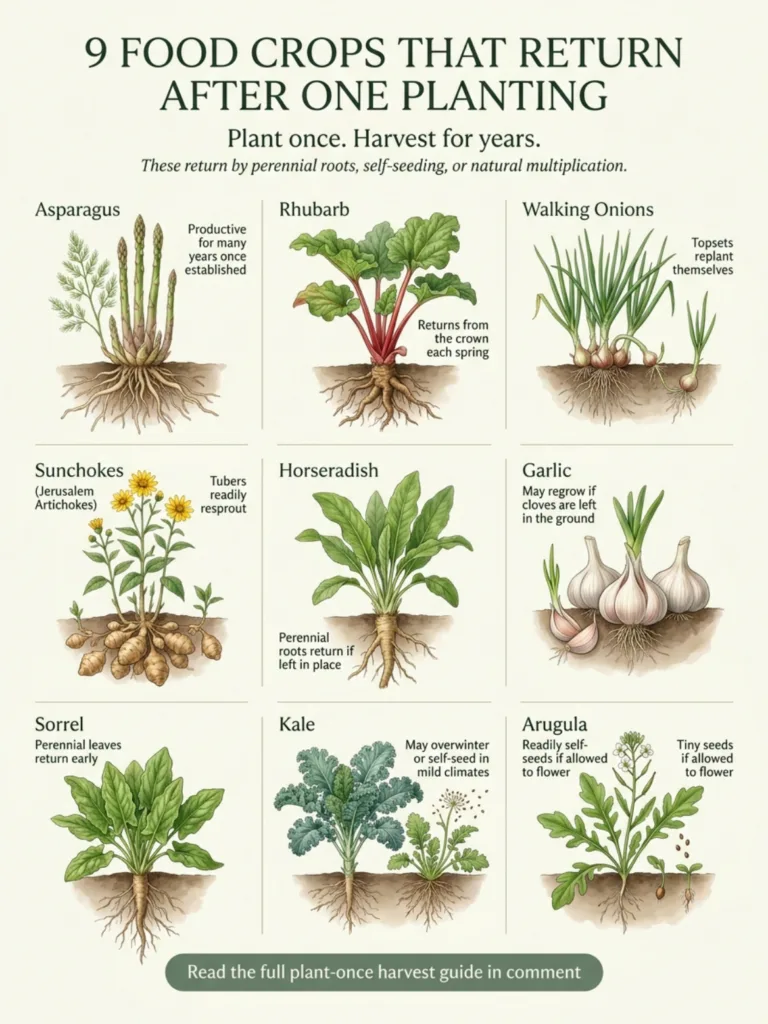 Discover the magic of perennial gardening with these long-lasting food crops.
The Benefits of Embracing Perennial Edibles
Integrating perennial food crops into your garden offers a multitude of advantages:
- Reduced Labor: Say goodbye to annual tilling and replanting. Once established, perennials require significantly less work.
- Improved Soil Health: Their deep root systems help prevent erosion, build soil structure, and increase organic matter over time.
- Cost Savings: No need to buy new seeds or starts every season, saving you money in the long run.
- Extended Harvests: Many perennials provide harvests over a long period, often even before annuals are ready.
- Increased Biodiversity: They can provide habitat and food for beneficial insects and pollinators.
Meet Your Long-Term Harvest Companions
Let’s delve into nine fantastic food crops that promise a perennial bounty:
1. Asparagus (Asparagus officinalis)
A true gourmet delight, asparagus spears emerge from the ground each spring. Once established (which typically takes 2-3 years after planting crowns), an asparagus patch can produce for 15-20 years, or even longer!
- Planting: Plant 1-year-old crowns in well-drained soil with full sun in early spring.
- Care: Keep weed-free, fertilize annually, and allow the ferns to grow fully after harvest to replenish energy to the roots.
- Harvest: Snap off spears when they are 6-10 inches tall and about as thick as a pencil.
2. Rhubarb (Rheum rhabarbarum)
Known for its tart, edible stalks (leaves are toxic!), rhubarb is a staple for pies, crumbles, and jams. It’s incredibly cold-hardy and thrives with minimal fuss.
- Planting: Plant crowns in rich, well-drained soil in full sun to partial shade.
- Care: Remove flower stalks to direct energy to the leaves. Divide clumps every 5-10 years.
- Harvest: Pull (don’t cut) stalks when they are 1-2 feet long. Avoid harvesting in the first year to allow the plant to establish.
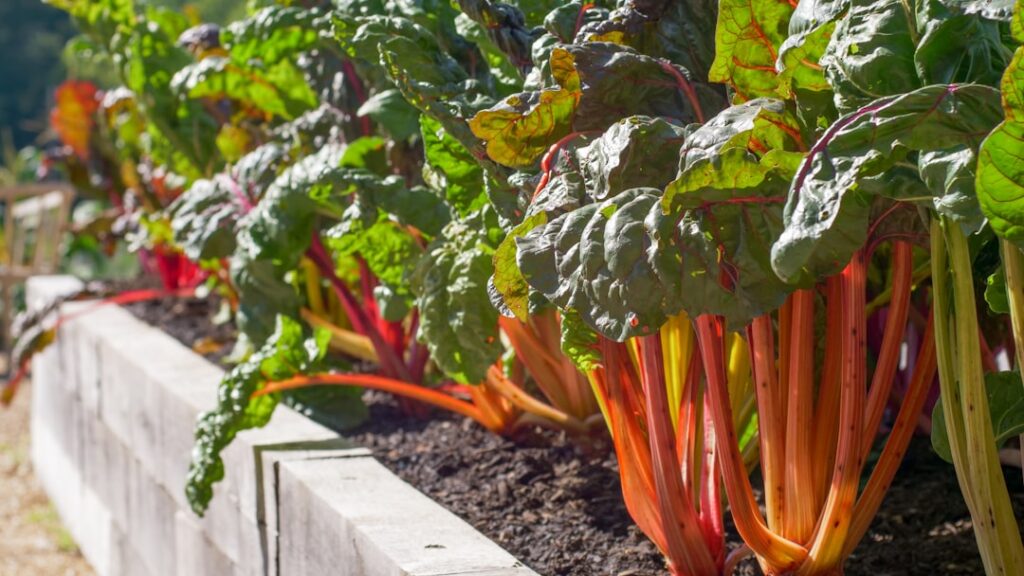 Rhubarb offers tart delights year after year with minimal effort.
3. Walking Onions (Allium proliferum)
Also known as Egyptian walking onions or tree onions, these unique plants produce small bulblets at the top of their stalks. As the stalk grows tall, it eventually ‘walks’ over, allowing the bulblets to root and form new plants, creating a self-perpetuating cycle.
- Planting: Simply plant the bulblets directly into the soil.
- Care: Very low maintenance, they are incredibly hardy and drought-tolerant.
- Harvest: Use the green tops like scallions, or harvest the underground bulbs.
4. Sunchokes / Jerusalem Artichokes (Helianthus tuberosus)
These distant relatives of sunflowers produce crisp, nutty tubers that can be eaten raw or cooked. Be warned: they can be incredibly vigorous growers and may try to take over your garden!
- Planting: Plant tubers directly into the soil in spring.
- Care: Can become invasive; consider planting in a contained bed or large pot.
- Harvest: Dig tubers after the first frost; any tubers left in the ground will resprout next spring.
5. Horseradish (Armoracia rusticana)
Famous for its pungent roots used to make spicy condiments, horseradish is a robust perennial that thrives on neglect. A little goes a long way, and once you plant it, you’ll likely have it forever!
- Planting: Plant root cuttings in well-drained soil in a sunny spot.
- Care: Requires very little care, but keep an eye on its spread as it can become invasive.
- Harvest: Dig roots in fall or early spring. Any small piece of root left in the soil will grow a new plant.
6. Garlic (Allium sativum)
While often treated as an annual, garlic can exhibit perennial tendencies. If small cloves or bulbils (from hardneck varieties) are left in the ground, they will often sprout and grow, creating a continuous supply of garlic greens and small bulbs.
- Planting: Plant individual cloves in the fall for larger bulbs, or in spring for smaller ones.
- Care: Mulch over winter, provide consistent water.
- Harvest: Harvest mature bulbs when leaves begin to yellow and fall over. For a continuous supply, allow some smaller cloves or bulbils to remain in the soil to regrow.
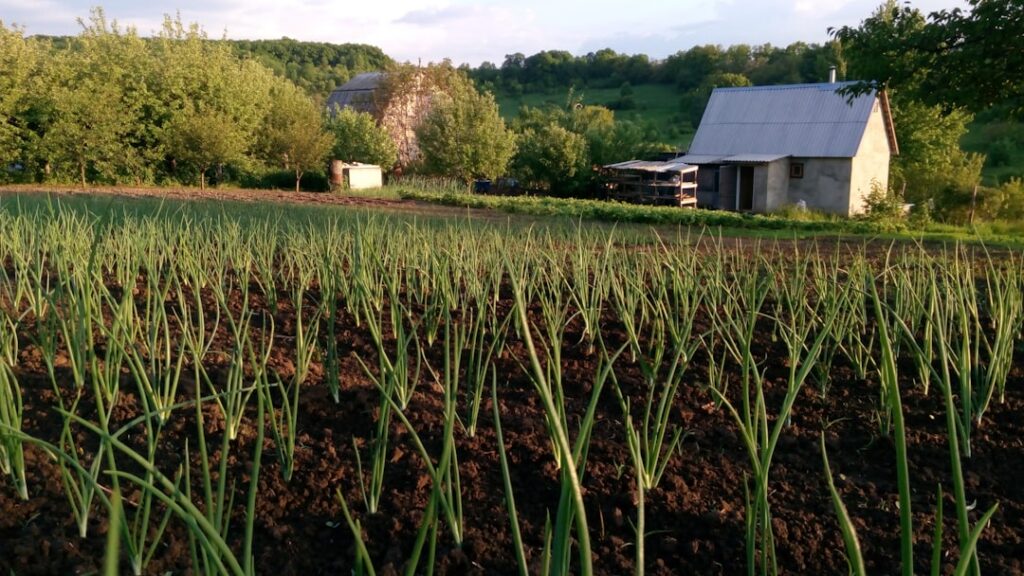 Garlic can offer perennial delights if some cloves are left to resprout.
7. Sorrel (Rumex acetosa)
This leafy green offers a refreshing, lemony tang to salads, soups, and sauces. It’s a low-maintenance herb that consistently returns each spring, providing early season greens.
- Planting: Sow seeds or plant divisions in spring in a sunny to partially shaded spot.
- Care: Keep soil consistently moist. Cut back flower stalks to encourage more leaf production.
- Harvest: Pick outer leaves as needed, similar to spinach.
8. Perennial Kale (Brassica oleracea variants)
While many kale varieties are biennial, certain types like ‘Tree Collards’ or ‘Daubenton’s Kale’ are true perennials, providing continuous harvests for several years in milder climates.
- Planting: Plant from cuttings or starts in fertile, well-drained soil.
- Care: Prune regularly to encourage bushiness. In colder zones, protect with mulch or move to a sheltered location.
- Harvest: Harvest outer leaves as needed.
9. Arugula (Eruca vesicaria)
Known for its peppery bite, arugula is often grown as an annual. However, it readily self-seeds, especially in milder climates, giving it a perennial-like characteristic where new plants emerge from dropped seeds year after year without intervention.
- Planting: Sow seeds directly in early spring or fall.
- Care: Keep soil moist. Allow some plants to flower and go to seed for continuous regrowth.
- Harvest: Use the ‘cut-and-come-again’ method, harvesting outer leaves frequently.
General Tips for Successful Perennial Gardening
To ensure your perennial edibles thrive for years to come:
- Site Selection: Choose a spot with adequate sunlight (most prefer full sun) and good drainage.
- Soil Preparation: Invest time in preparing rich, organic soil before planting. Perennials will be in this spot for a long time!
- Mulching: Apply a thick layer of organic mulch to conserve moisture, suppress weeds, and regulate soil temperature.
- Patience: Some perennials, like asparagus, take a few years to establish before full harvest can begin. Your patience will be richly rewarded.
- Observe and Learn: Pay attention to your plants’ needs. Each garden microclimate is unique.
Start Your Perennial Garden Today!
Embracing perennial food crops is a journey towards a more sustainable, less labor-intensive, and incredibly rewarding gardening experience. By choosing these long-lasting plants, you’re not just growing food; you’re building a resilient, productive ecosystem that will feed you for years to come. So, why not choose one or two from this list and begin your perennial gardening adventure?