Ever wondered why some meals keep you full for hours while others leave you hungry again in 30 minutes?
A lot of it comes down to digestion time – how long food stays in your stomach before moving on.
This simple “stomach chart” shows approximate digestion times for nine very common foods. These numbers aren’t exact for everyone, but they are helpful for planning meals that support steady energy, less bloating, and better sleep.
Digestion Times for 9 Everyday Foods
Each food brings different nutrients and a different “stay time” in your stomach. Here’s how to use that to your advantage.
1. Banana – ~30 minutes
Bananas digest quickly.
- What it offers: Natural sugars, potassium, and a bit of fiber.
- Why it matters: Great for a quick energy boost without being too heavy.
- How to use it: Ideal before a short workout, as a fast breakfast, or when you need something gentle on the stomach.
2. Apples – ~40 minutes
Apples are another relatively fast-digesting fruit.
- What they offer: Fiber (especially in the skin), vitamin C, and natural sugars.
- Why it matters: The fiber slows down the sugar release just enough to give steady alertness rather than a spike.
- How to use it: A perfect mid-morning snack when you’re fading but don’t want coffee.
3. White Rice – ~1 hour
White rice is a moderate-speed carbohydrate.
- What it offers: Easily digested starch for fuel.
- Why it matters: Gives your body accessible energy without sitting in the stomach as long as heavier foods.
- How to use it: Pair with chicken, eggs, or avocado when you need a meal that is filling but not too heavy before activity.

4. Avocado – ~2 hours
Avocado digests more slowly because of its healthy fats.
- What it offers: Monounsaturated fats, fiber, and potassium.
- Why it matters: Helps you feel satisfied longer and supports steady energy, not quick hunger.
- How to use it: Add slices to eggs or white rice when you want a meal that keeps you full for several hours.
5. Eggs – ~2.5 hours
Eggs are a medium-speed protein food.
- What they offer: High-quality protein, healthy fats, and choline for brain function.
- Why it matters: They help keep blood sugar steady and support muscle repair and focus.
- How to use it: Great as a breakfast or lunch protein, especially when you want to stay full through a busy morning or afternoon.
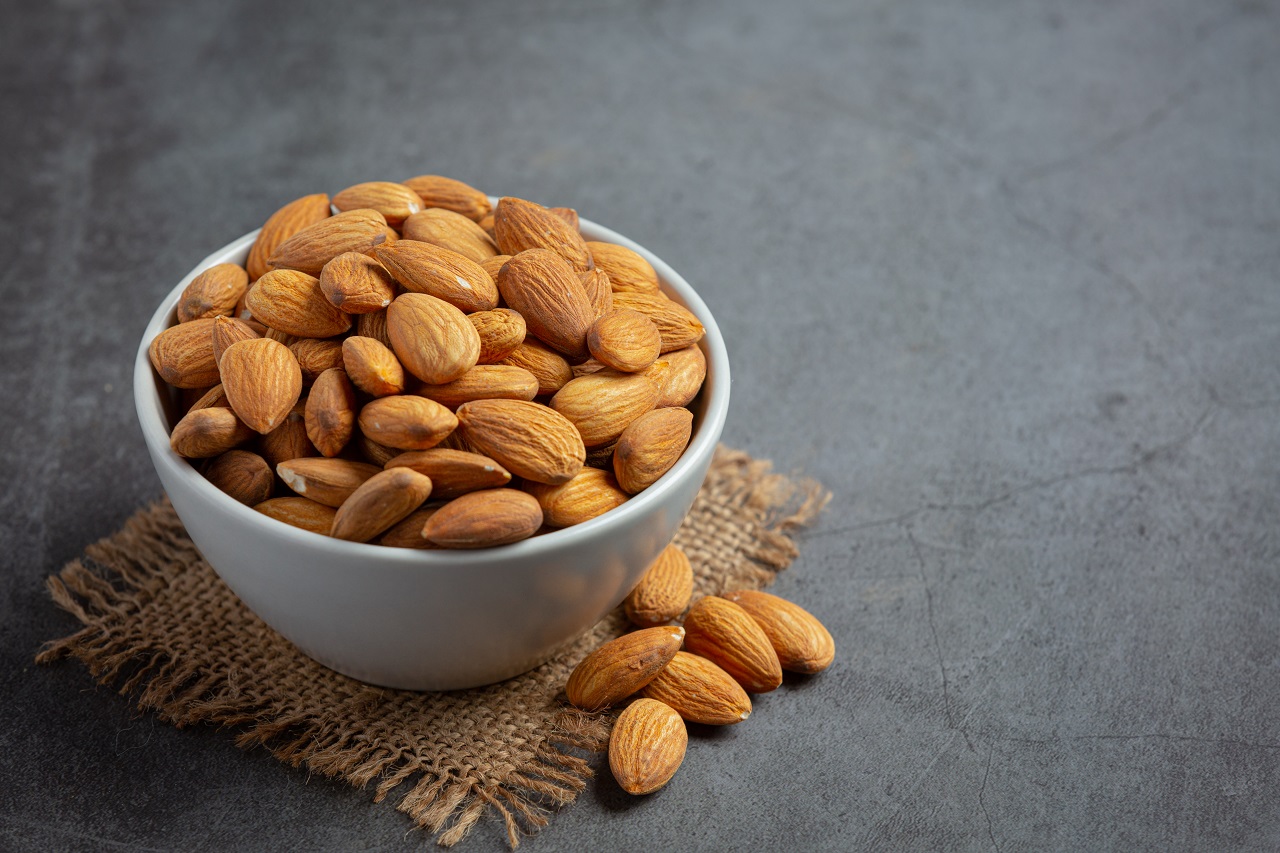
6. Almonds – ~3 hours
Almonds take longer to digest because of their fat and fiber.
- What they offer: Healthy fats, plant protein, vitamin E, magnesium.
- Why it matters: Their slow digestion means long-lasting satiety and stable energy.
- How to use it: A small handful with a banana or apple makes a powerful snack that carries you for hours.
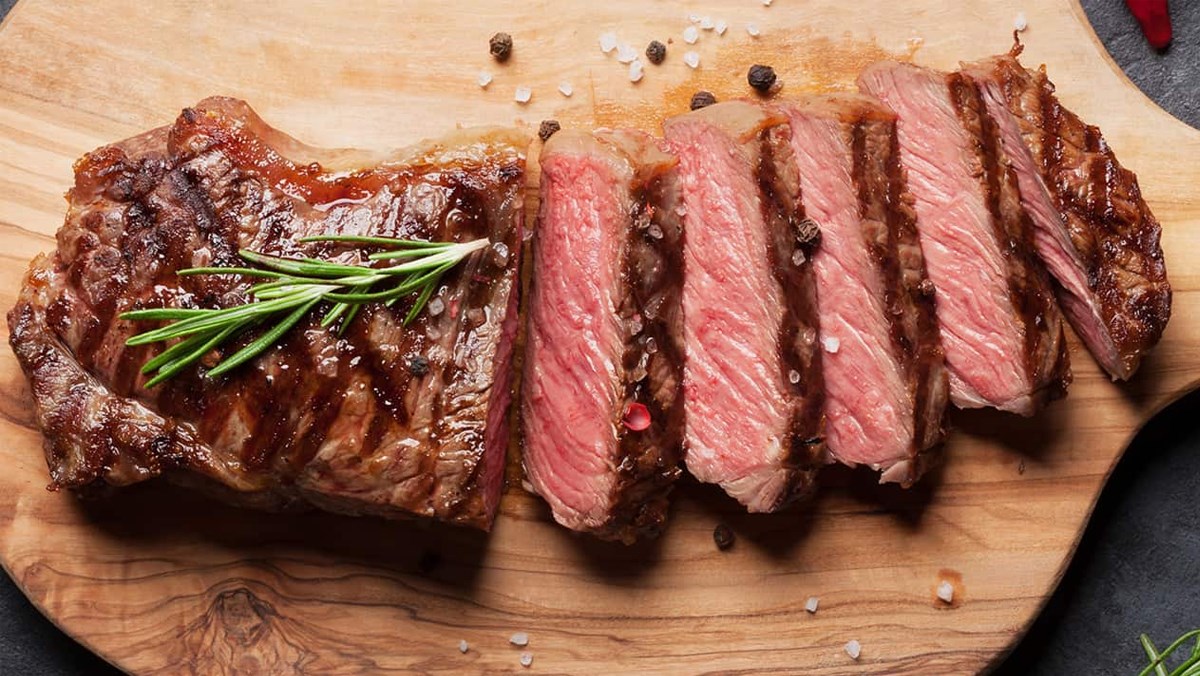
7. Steak – ~3.5 hours
Steak is one of the more slowly digested options here.
- What it offers: Iron, zinc, B vitamins, and high-quality protein.
- Why it matters: Can keep you full for a long time, but may feel heavy if eaten late or in large portions.
- How to use it: Best for midday or early-evening meals, especially before a long, active period, not right before bed.
8. Chicken – ~3.5 hours
Chicken digests at a similar pace to steak, though many people find it lighter.
- What it offers: Lean protein and B vitamins.
- Why it matters: Supports muscle recovery and steady energy across the afternoon or evening.
- How to use it: Pair with white rice and maybe avocado for a balanced, satisfying meal.

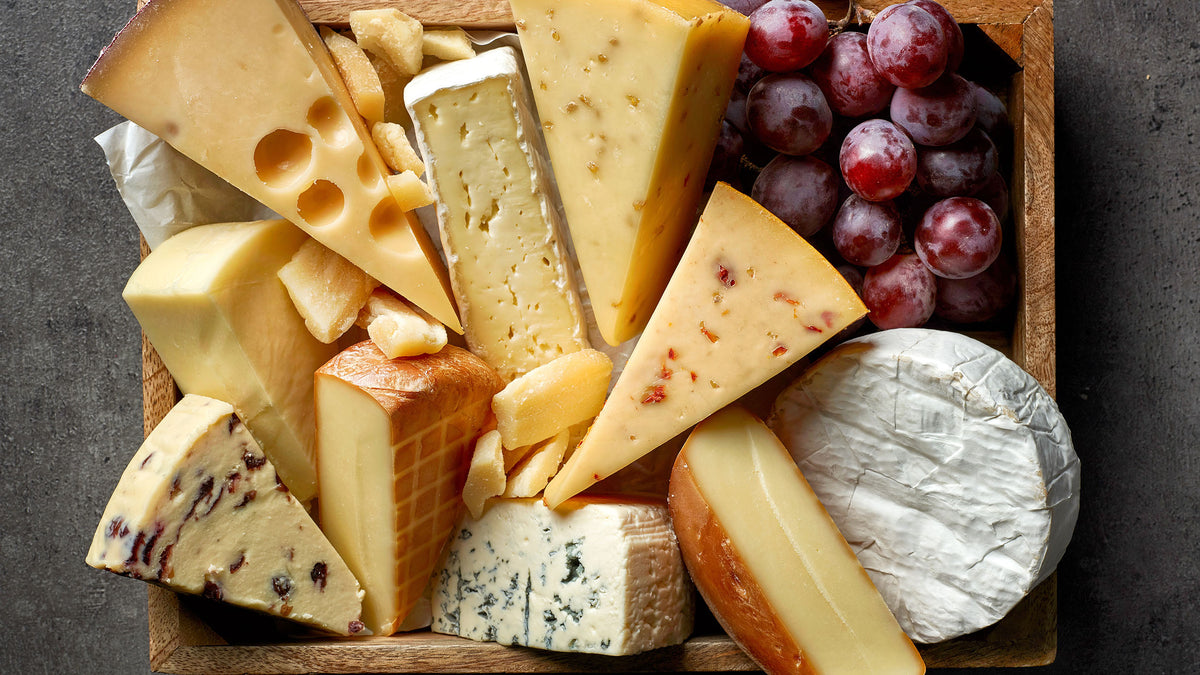
9. Cheese – ~4.5 hours
Cheese has the longest approximate digestion time in this set.
- What it offers: Protein, fat, and calcium.
- Why it matters: The high fat content means it stays in the stomach longer, providing long-lasting fullness—but can feel heavy for some people.
- How to use it: A small amount can be helpful if you tend to wake up hungry at night, but large portions late in the evening may cause discomfort for sensitive stomachs.
How to Build a Daily Plate Using These Foods
You can combine these digestion times to shape your day:
- Fast-digesting for quick energy
- Banana or apples when you need something light and quick.
- Medium-paced for meals that last
- White rice, avocado, and eggs for a breakfast or lunch that keeps you full.
- Slow-digesting for long satiety
- Almonds, steak, chicken, and cheese when you need a meal or snack that sticks with you for hours.
Example flow using only these foods:
- Breakfast: Eggs with avocado, plus a banana if you’re extra hungry.
- Snack: Apples with a few almonds.
- Lunch: Chicken with white rice.
- Evening: Small piece of cheese or a few almonds if you tend to snack late.
When You’ll Notice Changes
If you line up your food choices with digestion times, you may feel:
- Less heaviness after meals in a few days.
- Fewer sudden energy crashes after 1–2 weeks of consistent eating patterns.
- Better sleep when you stop having heavy foods right before bed.
Remember, serious or ongoing digestive issues, pain, reflux, or unexplained weight changes always deserve a check-in with a health professional.

Tips to Combine These Foods Effectively
- Use faster-digesting foods earlier in the day or before exercise.
- Keep slower-digesting foods for main meals when you want to stay full longer.
- Try not to stack several very slow foods (like steak + a lot of cheese) late at night.
- Eat mindfully and give your body time; true digestion continues for many hours in the intestines, even after the stomach has emptied.
- These times are estimates—your own digestion depends on your metabolism, stress, hormones, and health conditions.
Final Takeaway
Knowing how long foods tend to stay in your stomach helps you choose what to eat before a workout, a big meeting, or bedtime so your body feels supported, not weighed down.
Use this simple digestion-time chart as a guide, listen to your body, and adjust portions and timing until your meals feel “just right.”
Save this guide if you want to plan lighter or longer-lasting meals later, and share it with a friend who’s always asking, “Why does this meal sit in my stomach forever?”