It’s a fun way to show that your kitchen is full of medicinal plants.
But here’s the truth: these herbs can gently support your body, not replace prescribed medication – especially for serious conditions.
Used wisely, though, they can calm mild pain, ease digestion, support blood sugar, and help your immune system work better in the background.
A Quick Safety Note Before We Talk Herbs
Before we dive in:
- These plants are helpers, not substitutes for ibuprofen, paracetamol, omeprazole, metformin or amoxicillin.
- Never stop or change prescribed medicine without talking to your doctor.
- Herbs can interact with drugs or medical conditions, and “natural” does not mean risk-free.
Think of them as gentle tools for mild symptoms and prevention, not emergency treatment.
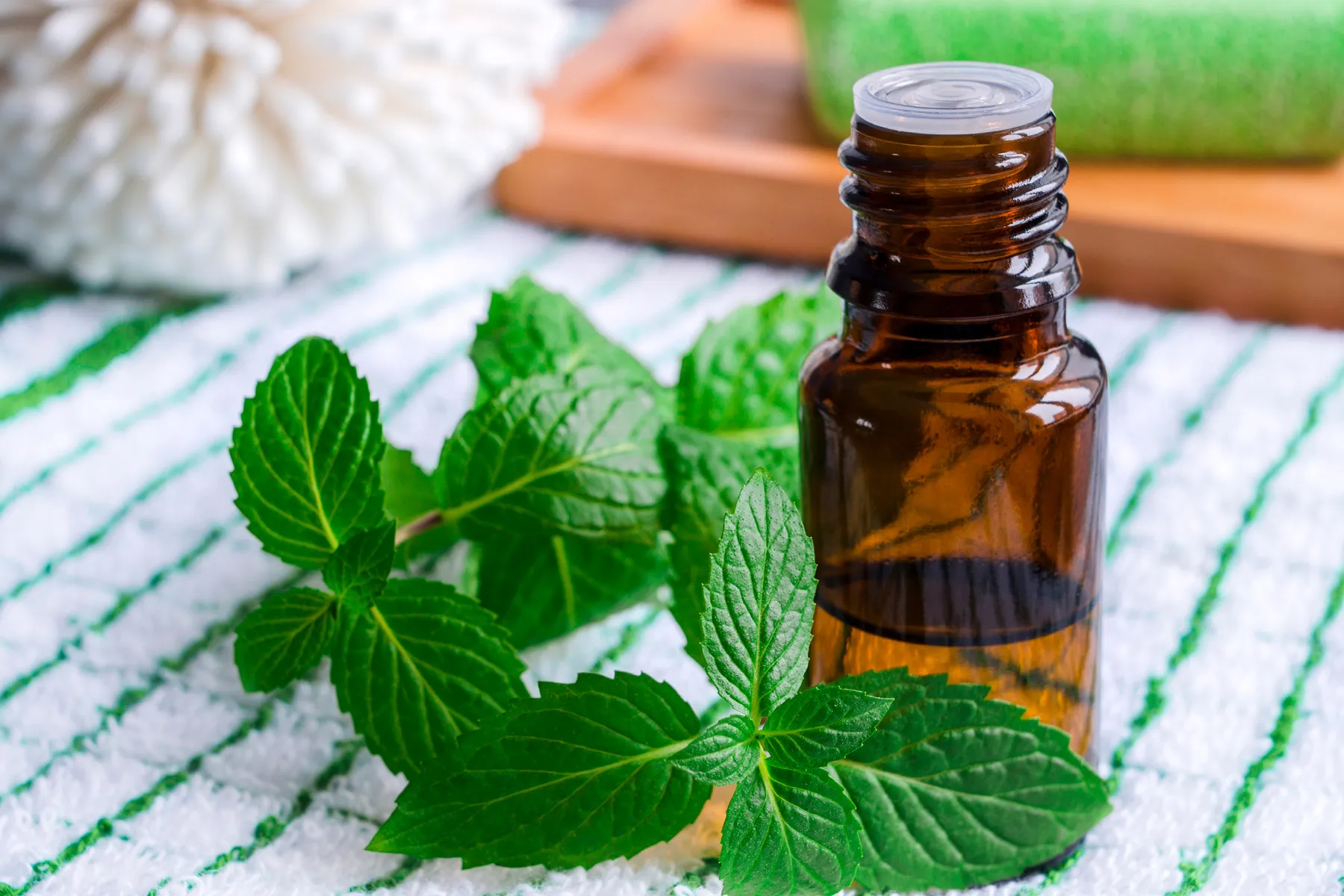
1. Ibuprofen & Mint: Cooling Comfort for Mild Aches
When people say “mint” here, they usually mean peppermint.
Peppermint oil contains menthol, which can have a cooling, mild pain-relieving effect on the skin and muscles. Several small studies suggest diluted peppermint oil may help tension headaches when rubbed on the temples or forehead.
How it may help
- Mild tension headaches
- Neck and shoulder tightness
- Light digestive discomfort (peppermint tea)
Simple ways to use
- Sip peppermint tea after meals for a calm stomach.
- For headaches, some people use a diluted peppermint oil roll-on on temples (never in eyes, nose, or on broken skin).
Be careful if
- You’re pregnant, breastfeeding, or have GERD – peppermint can worsen reflux in some people.
- You’re using strong essential oils on children; always check with a pediatrician.
2. Paracetamol & Chamomile: Soothing the Tension
Chamomile is often called a “calming tea” – not just for nerves but for low-grade discomfort.
Research suggests chamomile has anti-inflammatory and mild pain-relieving properties, and it’s traditionally used for cramps, headaches, and sleep problems.
How it may help
- Taking the edge off mild headaches or muscle tension
- Calming menstrual cramps
- Helping you unwind so pain feels more manageable
Simple ways to use
- Drink 1 cup of chamomile tea 30–60 minutes before bed.
- Combine with a warm bath or gentle stretching to deepen relaxation.
Be careful if
- You’re allergic to ragweed, daisies, marigolds or chrysanthemums—you may react to chamomile.
- You take blood thinners, sedatives, or hormone-sensitive medications—talk to your doctor first.

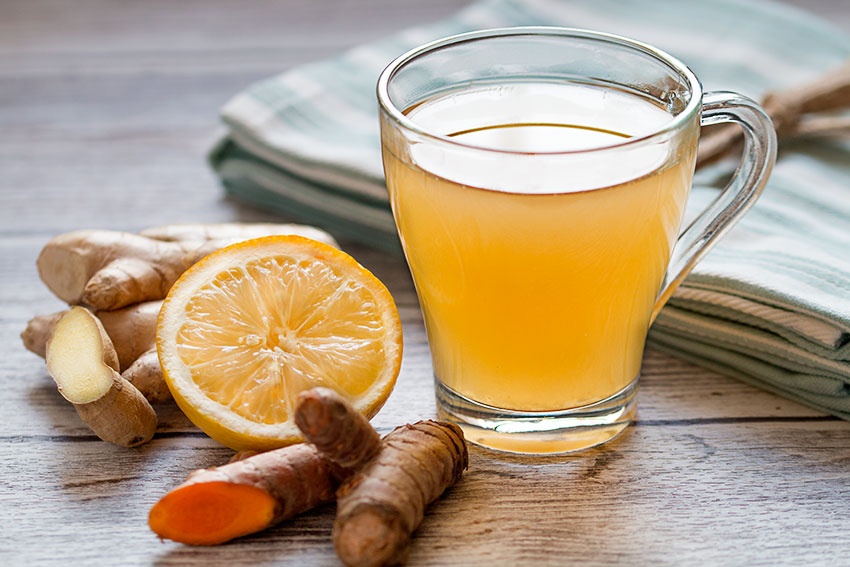
3. Omeprazole & Turmeric: Calming an Irritated Stomach
Omeprazole reduces stomach acid. Turmeric doesn’t block acid, but its star compound curcumin is strongly anti-inflammatory and antioxidant.
A small trial found curcumin supplements helped reduce symptoms of functional dyspepsia (recurring upper – stomach discomfort) similarly to omeprazole.
How it may help
- Mild meal – related bloating and upper – belly discomfort
- Background inflammation in the gut
Simple ways to use
- Cook with 1–3 teaspoons of turmeric powder a day in curries, soups, golden milk or roasted vegetables.
- Add a pinch of black pepper to improve curcumin absorption.
Be careful if
- You have liver disease or take lots of turmeric supplements—high doses have rarely been linked to liver injury.
- You’re on blood thinners or diabetes meds; turmeric can enhance their effects.
4. Metformin & Garlic: Blood Sugar Support from the Kitchen
Metformin is a powerful prescription drug for diabetes. Garlic will never replace it – but garlic does have interesting blood sugar and cholesterol benefits.
Recent meta-analyses show garlic intake can modestly lower blood glucose and improve lipid profiles, especially in people with metabolic risk.
How it may help
- Supporting healthy blood sugar alongside other lifestyle changes
- Supporting heart health
Simple ways to use
- Add 1–2 fresh cloves of garlic per day into stir-fries, soups, sauces or salad dressings.
- Crush and let sit 5–10 minutes before cooking to activate allicin, its key compound.
Be careful if
- You’re on blood thinners or multiple diabetes medications—garlic can increase bleeding risk and may further lower blood sugar.
- You’re scheduled for surgery; doctors often ask patients to stop heavy garlic intake beforehand.

5. Amoxicillin & Cloves: The Classic “Kitchen Antibiotic”
Cloves have been used for centuries for toothache and infections. Their main compound, eugenol, has strong antimicrobial activity against many bacteria and fungi in lab studies.
Again: this does not make cloves a replacement for antibiotics like amoxicillin, especially for serious infections. But they may support oral health and immunity in small ways.
How they may help
- Freshening breath and reducing some mouth bacteria
- Mild soothing effect on tooth discomfort (eugenol is used in some dental products)
Simple ways to use
- Add 1–2 whole cloves to chai, stews or rice dishes.
- For breath and mouth comfort, some people gently chew a single clove then discard it.
Be careful if
- You use clove oil—concentrated forms can irritate skin and mucosa and are not safe to swallow in large amounts.
- You have bleeding disorders; high clove intake can thin the blood.

How to Use These Herbal Helpers in Real Life
For mild, occasional symptoms, you might:
- Try peppermint or chamomile tea before reaching for painkillers for a simple tension headache.
- Use turmeric in your daily cooking to support your gut and general inflammation over time.
- Cook regularly with garlic and cloves as part of a heart- and immune-friendly diet.
When you might feel something
- Peppermint & chamomile: often within 30–60 minutes for gentle relief.
- Turmeric & garlic: usually over weeks to months of consistent use.
- Cloves: mouth-feel is immediate, but immune benefits are long-term, not overnight.
When to Skip DIY and Call Your Doctor
Herbs are for support, not emergencies. Get medical help if you have:
- High fever, severe pain, chest pain, or trouble breathing
- Signs of serious infection (pus, spreading redness, worsening cough)
- Uncontrolled blood sugar or new symptoms of diabetes
- Black stools, vomiting blood, or persistent heartburn
Final Takeaway
Mint, chamomile, turmeric, garlic and cloves are beautiful plant allies.
They can cool, soothe, protect and support your body day after day – but they’re not magic, and they’re not 1:1 swaps for ibuprofen, paracetamol, omeprazole, metformin or amoxicillin.
Use them as daily wellness tools alongside good sleep, hydration, movement, and proper medical care.
Save this guide if you want to build your own “kitchen pharmacy” later, and share it with someone who loves natural remedies but also wants to stay safe and smart about their health.