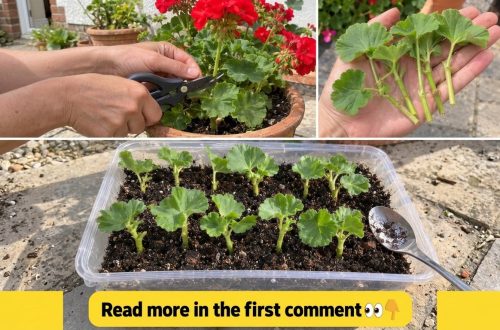
If you’ve ever wished for your own mini orchard but thought it would take years from seed, cuttings are your shortcut. Many popular fruit trees can be cloned from a simple branch – including: Apple, Lemon, Avocado, Fig, Pear, Cherry, Pomegranate, Papaya, Grapefruit, Blackberries, Grapes, Mango…
In this guide, you’ll learn how to grow fruit trees from cuttings step-by-step and what conditions they need to stay healthy and productive.
Why Grow Fruit Trees From Cuttings?
Growing from cuttings has a few big advantages:
- You get an identical plant – same fruit quality and flavor as the parent tree.
- Faster harvest – a cutting is already “mature” tissue, so it usually fruits sooner than seedlings.
- Cheaper orchard – one tree can become several, with almost no cost.
- Great for small spaces – you can root cuttings in pots and only plant the strongest ones in the ground.
How to Grow Fruit Trees From Cuttings (Step-by-Step)
This basic method works for most of the trees in the list above, with only small variations.
1. Choose the Right Branch
- Pick a healthy, disease-free tree with good-quality fruit.
- Look for semi-hardwood or young woody branches – not soft new growth, not old thick wood.
- Ideal length: 15–20 cm (6–8 inches) with at least 3–4 buds or leaf nodes.
2. Take the Cutting
- Use clean, sharp pruners to avoid crushing the stem.
- Make the bottom cut just below a node, at a slight angle.
- Remove the leaves from the lower half of the cutting so they don’t rot in the soil.
- If you have it, dip the bottom 2–3 cm in rooting hormone to speed up root formation (especially helpful for woody trees like apple, pear, and cherry).
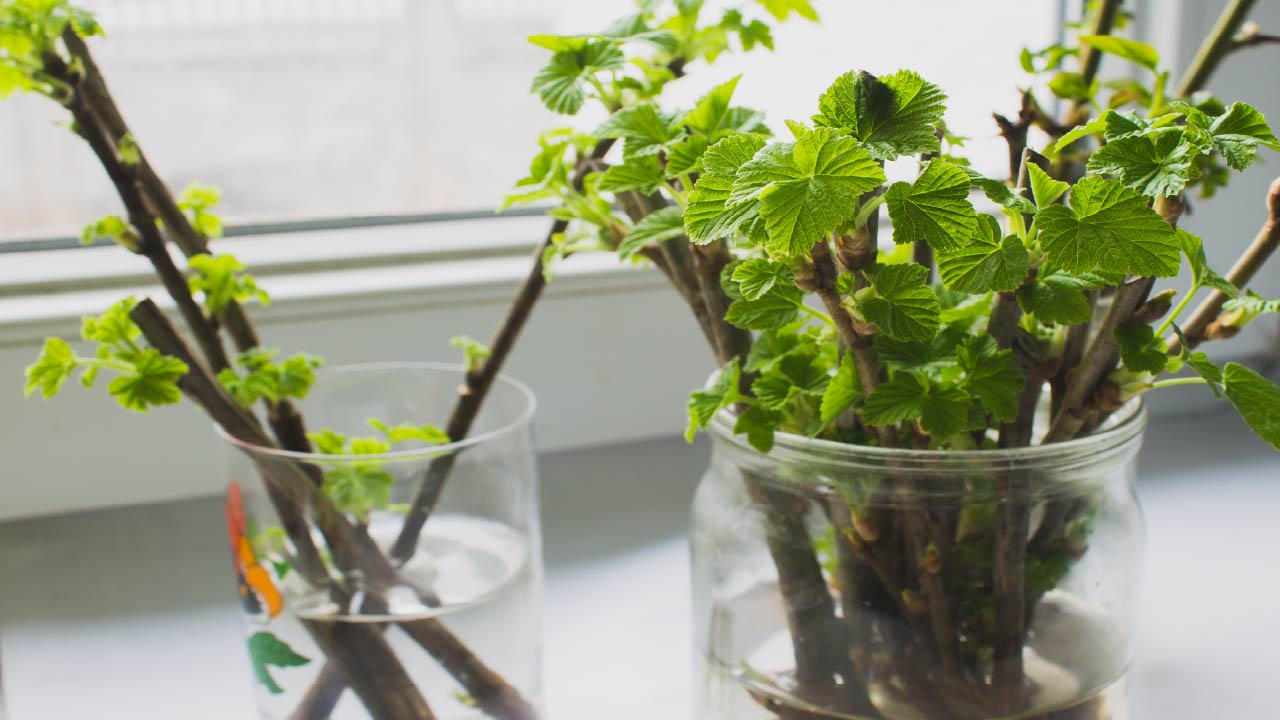
3. Prepare the Growing Medium
Fruit cuttings hate sitting in soggy soil. Use a light, well-draining mix, such as:
- 1 part perlite + 1 part peat moss or coco coir, or
- 1 part sand + 1 part compost.
Fill a small pot with drainage holes and moisten the mix so it’s damp but not dripping.
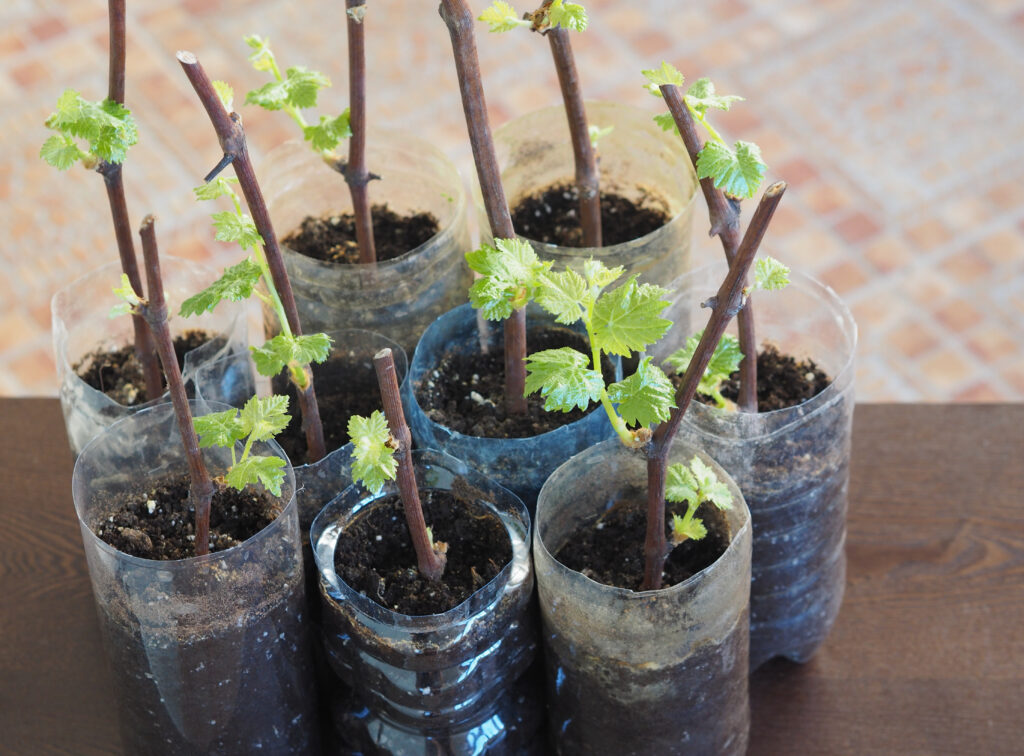
4. Plant and Create Humidity
- Make a small hole with a stick or pencil.
- Insert the cutting so the bottom nodes are buried, then firm the mix around it.
- Cover the pot with a clear plastic bag or dome to create a mini greenhouse. This keeps humidity high and reduces water loss.
5. Give the Right Light and Water
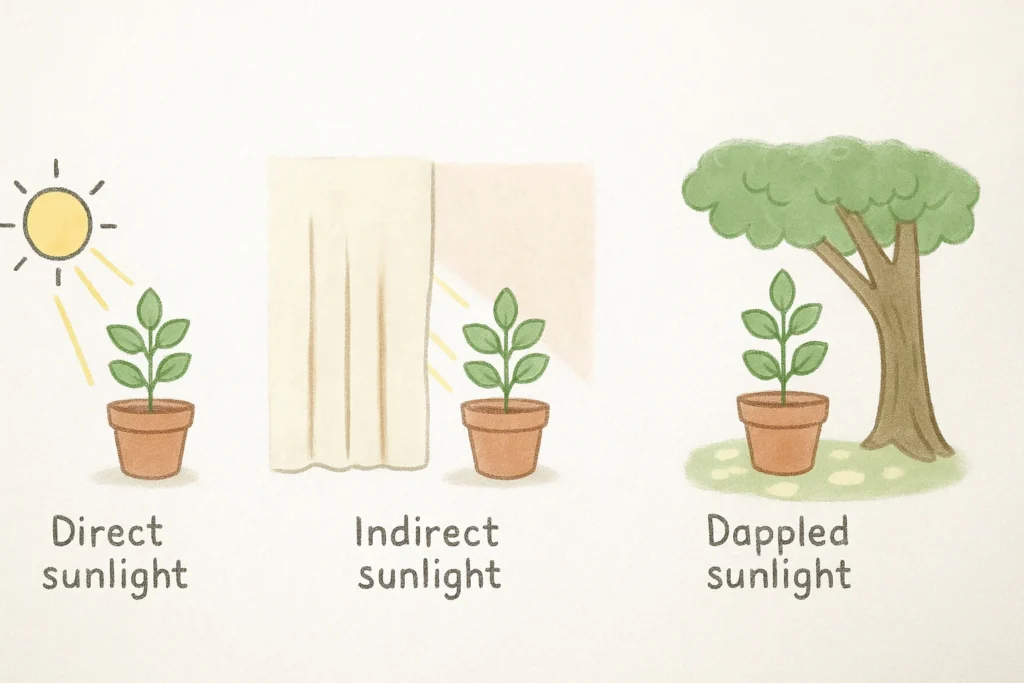
- Place the pot in bright, indirect light – think morning sun, afternoon shade.
- Keep the medium consistently moist, never bone-dry, but avoid water pooling at the bottom.
- Open the bag briefly every few days for fresh air.
6. Wait for Roots (and Check Gently)
Depending on the species, roots may form in 3–10 weeks:
- Do a gentle “tug test” – if you feel resistance, roots are forming.
- When you see new leaf growth, that’s another good sign.
Once rooted, gradually remove the plastic cover over a week so the young tree can adapt to normal air.
7. Pot Up or Plant Out
- Move the rooted cutting into a slightly larger pot with rich, well-drained potting mix.
- Grow it on until it’s strong, then plant it in the garden or a large container.
- Always harden off young trees by slowly increasing their sun exposure over 7–10 days.
Best Conditions for Healthy Fruit Trees
No matter which tree you’re growing from cuttings, these conditions will help it thrive:
1. Sunlight
- Most fruit trees need at least 6 hours of direct sun daily.
- Grapes, blackberries, figs, and citrus love full sun.
- In very hot climates, young trees appreciate light afternoon shade until established.
2. Soil
- Aim for well-draining soil enriched with compost.
- Heavy clay soils can be improved with sand, compost, and organic matter.
- For container growing, use a quality fruit or citrus mix rather than garden soil.
3. Water
- Keep soil evenly moist, especially in the first 1–2 years.
- Water deeply so roots grow down, then let the top few centimeters dry before watering again.
- Avoid constant sogginess – it leads to root rot.
4. Temperature
- Citrus (lemon, grapefruit), papaya, mango, avocado: prefer warm, frost-free conditions. In cooler regions, grow them in large pots you can move indoors in winter.
- Grapes, blackberries, apple, pear, cherry, fig, pomegranate: generally more tolerant of cooler climates, though exact hardiness depends on the variety.
5. Feeding and Pruning
- Feed with a balanced organic fertilizer in spring and mid-summer.
- Prune to keep a strong, open structure that lets light into the center of the tree.
- Grapes and blackberries respond especially well to annual pruning to boost fruiting.

Which Fruit Trees Grow Well From Cuttings?
Here’s how some of the trees from the image behave when propagated this way:
Easy to Root (Great for Beginners)
- Grapes & Blackberries – Softwood or semi-hardwood cuttings root quickly. Perfect starter plants.
- Fig – Famous for rooting easily; even medium-thick branches can become new trees.
- Pomegranate – Semi-hardwood cuttings taken in late winter or early spring usually root well.
Moderately Easy
- Lemon & Grapefruit – Citrus cuttings root best with warmth, high humidity, and rooting hormone.
- Mango & Avocado – Can root from cuttings but often benefit from bottom heat and patient care. Many commercial trees are grafted, but hobby growers still succeed with cuttings.
- Papaya – Often grown from seed, but short cuttings of healthy stems can root in warm, humid conditions.
More Challenging (But Still Possible)
- Apple, Pear, Cherry – These are traditionally grafted onto rootstocks, so cuttings can be slower and less reliable.
- Use young but firm wood, rooting hormone, and a very well-drained medium.
- Keep humidity high and be patient – they may take longer to root or have lower success rates compared to figs or grapes.
Final Tips for Success
- Take several cuttings, not just one – that way, you’ll likely get a few strong plants.
- Label pots with the variety and date, so you can track what works best.
- Don’t rush planting them into the garden; give them time to build a good root system in pots first.
With a pair of pruners, a few pots, and a bit of patience, you can turn a single fruit tree into a whole collection. Start with easier candidates like fig, grapes, blackberries, and pomegranate, then experiment with citrus and tropical trees as your confidence grows.