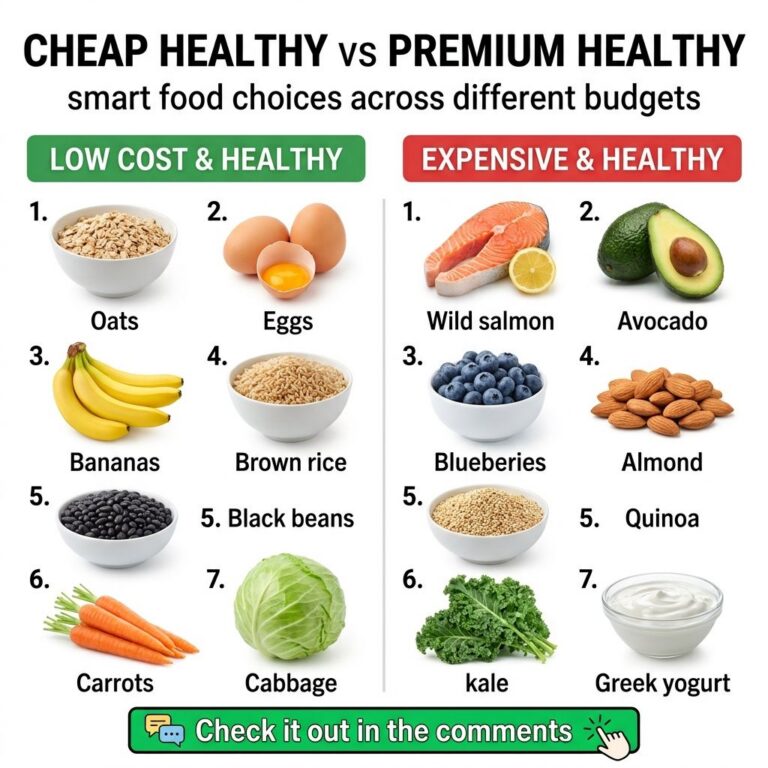
Many people believe that eating healthy is an expensive luxury, reserved only for those with unlimited grocery budgets. The truth, however, is far from it. While premium health foods certainly have their place, countless affordable options offer the same, if not superior, nutritional benefits.
The key lies in making smart choices and understanding where to allocate your resources. You can fuel your body effectively, support your well-being, and even enjoy delicious meals without emptying your wallet. Let’s unpack how to navigate the grocery aisles for maximum health and minimal cost.
Discovering Your Budget-Friendly Powerhouses
A surprising array of everyday foods provides incredible nutrition without the hefty price tag. These staples are often versatile, filling, and packed with essential vitamins, minerals, and fiber.
Oats: The Versatile Grain
A simple bowl of oats can kickstart your day with sustained energy. Rich in soluble fiber, oats help maintain stable blood sugar levels and support digestive health. They are incredibly cheap and can be customized with fruits, nuts, or a dash of cinnamon.
Eggs: Complete Protein, Low Cost
Often called nature’s multivitamin, eggs are an excellent source of high-quality protein, essential amino acids, and vital nutrients like choline. Whether scrambled, boiled, or poached, they offer incredible satiety and are one of the most cost-effective protein sources available.
Bananas: Potassium-Rich & Convenient
Beyond being an easy snack, bananas provide potassium, vitamin B6, and vitamin C. They’re a fantastic source of quick energy and are generally one of the most affordable fruits year-round, making them perfect for smoothies or on-the-go fuel.
Brown Rice: Whole Grain Goodness
Swap white rice for brown to add more fiber, magnesium, and B vitamins to your diet. Brown rice is a complex carbohydrate that provides steady energy and helps with feelings of fullness. It’s a foundational grain for many meals, from stir-fries to grain bowls.
Black Beans: Fiber and Protein Power
These humble legumes are nutritional superstars. Black beans are loaded with fiber, plant-based protein, iron, and folate. They’re incredibly inexpensive, especially when bought dried, and can be used in everything from soups and salads to tacos and burritos.
Carrots & Cabbage: Everyday Veggie Heroes
Don’t underestimate the power of common vegetables. Carrots are packed with beta-carotene for eye health, while cabbage offers vitamins C and K, and beneficial compounds for gut health. Both are typically very affordable, versatile, and excellent for adding crunch and nutrients to any meal.
Smart Swaps: When Premium Isn’t Necessary
While foods like wild salmon, avocados, blueberries, and quinoa are indeed nutritious, their benefits can often be mirrored by more budget-friendly alternatives. For instance, instead of wild salmon, consider canned sardines or mackerel for omega-3s. For a boost of antioxidants, apples and oranges are excellent, affordable choices over blueberries.
The goal isn’t to avoid premium foods entirely, but to understand that significant health gains are achievable with common, accessible ingredients. Prioritize whole, unprocessed foods, and you’ll naturally gravitate towards healthier, more economical options.

Taking the Next Step: Understanding Your Health Needs
While these budget-friendly foods lay a great foundation, understanding your body’s unique response to food is key. For some, closely monitoring key lab markers or specific blood tests, such as fasting glucose or HbA1c, provides valuable insights into overall metabolic health. Tools for continuous glucose monitoring (CGM sensors) are also becoming more accessible, offering real-time data.
This information can then be used to tailor your dietary approach, sometimes in conjunction with medical nutrition therapy or a dietitian consultation. Such consultations can often be covered by various health insurance plans or employer health benefits, depending on country-specific rules regarding public vs private coverage for nutrition services. It’s always beneficial to discuss these options with your healthcare provider for a personalized doctor referral.
Practical Tips for Budget-Savvy Healthy Eating
- Meal Planning: Plan your meals for the week to create a grocery list. This reduces impulse buys and food waste.
- Buy in Bulk: Non-perishables like oats, rice, and beans are often cheaper when bought in larger quantities. Store them properly in airtight containers.
- Seasonal Produce: Opt for fruits and vegetables that are in season, as they tend to be fresher and less expensive.
- Cook at Home: Preparing meals yourself gives you control over ingredients and saves money compared to eating out.
- Batch Cooking: Dedicate time to cook larger portions of grains or legumes that can be used in multiple meals throughout the week.
Conclusion
Eating healthy does not have to be a financial burden. By focusing on nutrient-dense, affordable staples and adopting smart shopping habits, you can build a diet that supports your health goals and your budget. It’s about making informed choices, not expensive ones.
[Read next: Smart Meal Prep Strategies for Busy Weeks]
[Source: Harvard Health]
This is general information, not medical advice.