Most people walk past this common weed without realizing it has been used for centuries in village medicine.
Yet this quiet plant — Amaranth (often called pigweed or green amaranth) — shows up again and again in traditional remedies for thyroid balance, joint stiffness, and kidney strain.
The surprising part?
Most people never realize it works because the plant looks too “ordinary” to be powerful.
Today’s guide breaks down exactly what this herb does inside the body, how to prepare it safely at home, and when to use it for best results.
What This Herb Does Inside the Body
1. Supports Thyroid Function
Amaranth leaves contain natural minerals like iodine, selenium, and manganese, which the thyroid needs to regulate hormones.
These nutrients help support energy, temperature regulation, and metabolic balance.
2. Eases Joint Pain & Inflammation
The plant is naturally rich in betalains, the same anti-inflammatory pigments found in beets.
These compounds may help soothe:
- morning stiffness
- mild knee swelling
- overworked joints
Many traditional healers boil the leaves into a broth when joints feel “hot” or inflamed.
3. Helps Kidney Comfort
In certain herbal traditions, amaranth is known as a “cooling” plant.
It helps with:
- reducing heat and irritation in the lower back
- supporting hydration
- gentle diuretic effects that help the body flush naturally
This makes it a popular choice during periods of heaviness, bloating, or water retention.

Simple Preparation Method (Traditional Style)
Ingredients
- 1 handful of fresh amaranth leaves (washed well)
- 500 ml water
- Optional: a few drops of lemon or a slice of ginger
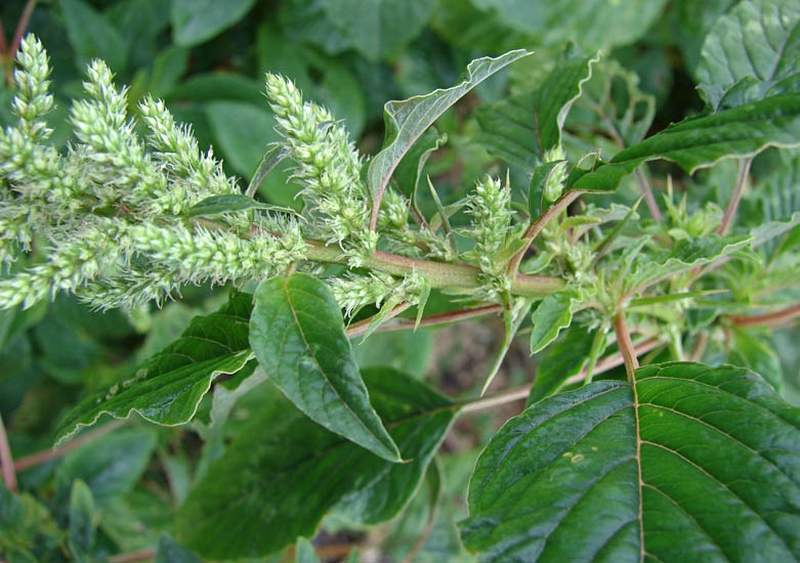
How to Prepare
- Bring the water to a gentle boil.
- Add the amaranth leaves.
- Simmer for 8–10 minutes until the water turns greenish.
- Strain the liquid.
- Drink warm, once or twice a day.
You can also eat the cooked leaves — they’re highly nutritious and taste similar to spinach.
When to Drink or Use This Remedy
For the best results, use the herb during moments of imbalance:
Morning
Helps support thyroid and metabolism.
After Physical Activity
Reduces heat in joints or mild inflammation.
Late Afternoon
Supports kidney comfort and calms internal tension.
Most people begin to notice gentle improvements in 3–7 days, especially for digestion, inflammation, and hydration.
Why It Works (Traditional Wisdom + Modern Science)
Traditional View (Asian & Indigenous Medicine)
Amaranth is considered:
- Cooling → reduces internal heat, joint swelling, kidney discomfort
- Blood-nourishing → supports circulation
- Grounding → stabilizes energy and hormone balance
Modern Science
Several nutrients found in the plant help explain its effects:
- Magnesium reduces muscle tension and joint soreness.
- Potassium supports kidney function and reduces bloating.
- Iodine + selenium support thyroid hormone production.
- Antioxidants help reduce inflammation throughout the body.
The combination of minerals + anti-inflammatory compounds makes amaranth more powerful than it looks.
Safety Notes & Who Should Avoid It
Amaranth is generally gentle, but keep these guidelines in mind:
- Wash thoroughly to remove soil or dust.
- Avoid if you have kidney stones, as the plant contains oxalates.
- Pregnant or breastfeeding individuals should check with a healthcare provider first.
- Start with half a cup if you’re new to herbal teas.
Final Takeaway
This humble roadside weed hides a long history of healing — from soothing joints to supporting the thyroid and keeping the kidneys balanced.
If you ever spot it growing near your home, you’ll know exactly why so many traditional remedies start with this plant.
Save this guide if you want to try it later, and share it with someone who loves natural remedies.