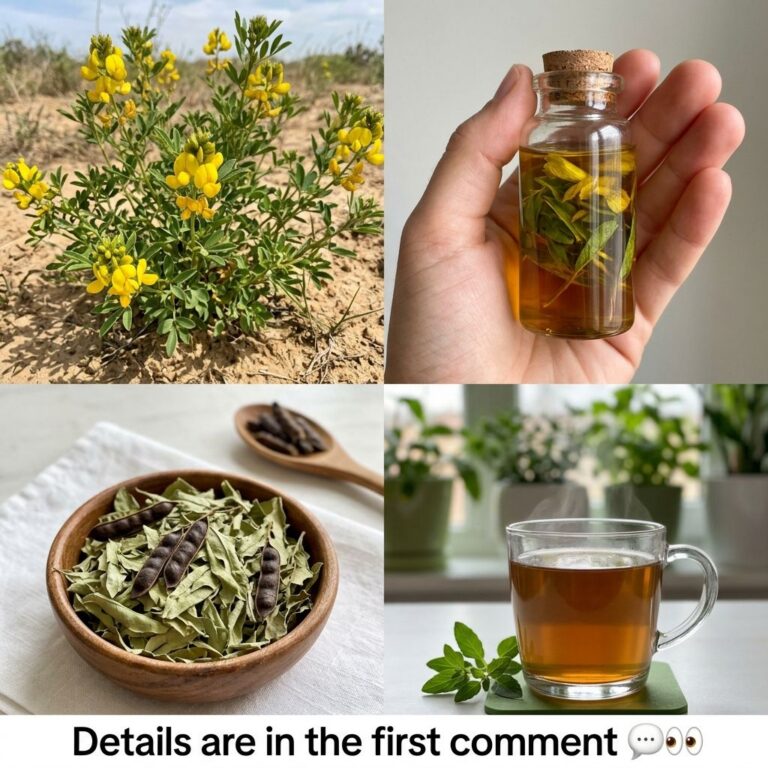
Most people ignore it. Some even spend hours trying to eradicate it from their lawns. But the humble plant with the bright yellow flower and fluffy seed head that springs up in nearly every climate is, in fact, a powerful, versatile treasure. We’re talking about Dandelion (Taraxacum officinale) – a plant so common, its true potential often goes completely unnoticed.
While often dismissed as a pesky weed, dandelion has a rich history as both a food and a traditional remedy. Its leaves, flowers, and especially its roots, are packed with compounds that can support everything from digestion to skin health. Forget buying expensive supplements; some of nature’s best helpers are literally growing right outside your door.
What It Is: The Dandelion Unveiled
The dandelion is a perennial herb recognizable by its bright yellow composite flowers, deeply lobed leaves arranged in a basal rosette, and a milky sap that exudes when stems or leaves are broken. Its deep taproot allows it to thrive in various soil conditions, making it incredibly resilient and widespread. Every part of the dandelion – from its bitter leaves to its robust root – can be harvested and used.
For centuries, different cultures have valued dandelion. Its name, derived from the French dent de lion, means “lion’s tooth,” referring to its jagged leaves. This isn’t just a pretty plant; it’s a powerhouse of nutrients and beneficial compounds.
Ingredients for Your Dandelion Remedies
Making your own dandelion remedies is straightforward and only requires a few basic “ingredients” – the plant itself!
- Dandelion Leaves: Best harvested when young and tender in early spring before the plant flowers, for salads or green smoothies. More mature leaves (harvested anytime) are excellent for teas or infusions, though they become more bitter.
- Dandelion Flowers: Pick these vibrant yellow blooms on a sunny day when fully open. Use them fresh for infused oils, vinegars, or even fritters.
- Dandelion Root: The most potent part, especially for its “detox” qualities. Harvest in spring or fall when the plant’s energy is concentrated in the root. Dig deep, wash thoroughly, and dry carefully.
Formula & Approximate Measurements: Dandelion Root Tea & Infused Oil
Here are two foundational recipes to get you started with this amazing plant:
1. Dandelion Root Tea (for Digestion & Liver Support)
- Ingredients: 1-2 teaspoons dried, chopped dandelion root (or 1 tablespoon fresh, chopped root)
- Water: 8-10 ounces (1 cup)
2. Dandelion-Infused Oil (for Skin Soothing)
- Ingredients:
- 1 cup fresh dandelion flowers (loosely packed, wilted overnight)
- 1 cup carrier oil (e.g., extra virgin olive oil, almond oil, jojoba oil)
Step-by-Step Method
Making Dandelion Root Tea
- Prepare the Root: If using fresh root, wash thoroughly and chop into small pieces. For dried root, ensure it’s clean and ready to use.
- Simmer: Place the dandelion root and water in a small saucepan. Bring to a gentle boil, then reduce heat and simmer for 10-15 minutes. This decoction method helps extract the beneficial compounds from the tough root.
- Strain: Remove from heat and strain the liquid into a mug, discarding the root pieces.
- Serve: Enjoy plain, or add a squeeze of lemon or a touch of honey if desired.
Making Dandelion-Infused Oil
- Harvest & Wilt Flowers: Gather fresh dandelion flowers on a dry, sunny day. Lay them out on a clean cloth or paper towel overnight to allow some moisture to evaporate. This prevents mold in your oil.
- Pack Jar: Loosely pack the wilted flowers into a clean, dry glass jar.
- Add Oil: Pour your chosen carrier oil over the flowers, ensuring they are completely submerged. Leave about an inch of headspace at the top of the jar.
- Infuse: There are two main methods:
- Solar Infusion (Slow): Cap the jar tightly and place it in a sunny windowsill for 2-4 weeks. Shake gently every day or two.
- Warm Infusion (Faster): Place the open jar in a saucepan with a few inches of water, creating a double boiler. Heat on low for 2-4 hours, ensuring the water never boils and the oil doesn’t get too hot.
- Strain: After the infusion period, strain the oil through a fine-mesh sieve or cheesecloth, pressing out all the oil from the flowers.
- Store: Transfer the infused oil to a clean, dark glass bottle.

How to Use & How Often to Use
- Dandelion Root Tea: Drink 1-2 cups per day, ideally before meals, for digestive support, particularly after rich foods or as part of a gentle detox routine. Consistent use for 2-4 weeks is often recommended for noticeable effects.
- Dandelion-Infused Oil: Apply topically to soothe dry, irritated skin, massage into sore muscles or joints, or use as a gentle massage oil. Apply as needed, 1-3 times daily, focusing on affected areas.
Quick Tip: Harvest Season Matters!
Dandelion leaves are less bitter in early spring. Roots are best harvested in spring or fall when the plant’s energy is stored for growth or dormancy. Flowers are best in full bloom on a dry, sunny day.
How to Buy / How to Choose Ingredients
The best way to get dandelion is to forage it yourself! However, if you don’t have access to a clean, pesticide-free area, you can easily buy dried dandelion root or leaves from reputable herbal suppliers or health food stores. When buying, look for organic certification and a vibrant color, indicating freshness.
If foraging, ensure the area has not been sprayed with herbicides or pesticides and is away from roadsides (due to exhaust fumes). Always identify your plants correctly!

Storage
- Fresh Dandelion Parts: Use leaves and flowers within 24-48 hours. Roots can be scrubbed, chopped, and used immediately or dried.
- Dried Dandelion: Store dried leaves and roots in airtight containers (glass jars are ideal) in a cool, dark place. They can last for up to 1 year.
- Dandelion Root Tea: Best consumed fresh. Leftovers can be refrigerated for up to 24 hours but may lose some potency.
- Dandelion-Infused Oil: Store in a cool, dark place. It should last for 6 months to 1 year, or as long as the shelf life of your carrier oil, whichever is shorter. Adding a few drops of Vitamin E oil can extend its shelf life.
Practical Tips for Best Results
- Cleanliness is Key: Thoroughly wash all parts of the dandelion before use, especially if foraging.
- Dry Properly: If drying roots or leaves, spread them in a single layer in a well-ventilated area away from direct sunlight until completely brittle. Improper drying leads to mold.
- Label Everything: Clearly label your dried herbs and infused oils with the date of preparation and ingredients.
Common Mistakes to Avoid
One small preparation mistake can ruin the whole batch or even make your remedy ineffective. Here’s what to watch out for:
- Misidentification: Ensure you are actually harvesting dandelion, not a look-alike like cat’s ear or hawkbit, which have different properties.
- Using Sprayed Plants: Never harvest dandelion from areas treated with pesticides, herbicides, or chemical fertilizers.
- Insufficient Drying: If making dried herbs or infused oils, any residual moisture can lead to mold and spoilage. Wilt flowers properly for oil infusions.
- Boiling Dandelion Leaves: For tea, a simple infusion (pouring hot water over) is usually enough for leaves, while roots benefit from simmering. Boiling leaves too vigorously can destroy delicate compounds.
Cautions / Who Should Avoid It
While dandelion is generally safe for most people, there are exceptions:
- Allergies: Individuals allergic to ragweed, chrysanthemums, marigolds, or other related plants in the daisy family may experience an allergic reaction to dandelion.
- Gallbladder Issues: Dandelion can stimulate bile production, which might be problematic for individuals with gallstones or bile duct obstruction. Consult a doctor.
- Medication Interactions: Dandelion has diuretic properties and may interact with diuretic medications, increasing their effect. It might also interact with blood thinners or certain medications for diabetes. Always consult your healthcare provider if you are on medication or have underlying health conditions.
- Pregnancy/Breastfeeding: Limited research exists; consult a healthcare professional before use.
Did You Know? The milky sap from dandelion stems, while sometimes mistaken for poison ivy, is generally harmless. It’s even been traditionally used for minor skin irritations by some herbalists!
Quick Summary
This “weed” is a versatile powerhouse! Dandelion roots make a beneficial tea for digestion and liver support, while its flowers can be infused into an oil to soothe skin. Always ensure clean, properly identified plants. Forage from unsprayed areas or buy organic. Store dried parts in airtight jars for up to a year, and infused oils for 6-12 months in a cool, dark place.

FAQ
- Can I use fresh or dried dandelion for tea?
Yes, both are effective. Fresh roots require simmering longer, while dried roots are concentrated. Fresh leaves can be steeped, dried leaves are also good. - How long does dandelion-infused oil last?
Typically 6 months to 1 year, depending on the carrier oil’s shelf life and storage conditions. Keep it in a cool, dark place. - Can I refrigerate dandelion tea?
Yes, you can refrigerate it for up to 24 hours, but it’s best consumed fresh for maximum potency. - How often should I drink dandelion root tea?
1-2 cups daily for digestive and liver support, usually for periods of 2-4 weeks. Always listen to your body. - What part of the dandelion is best for liver support?
The root is traditionally considered the most potent part for liver and digestive support. - Can I eat dandelion leaves raw?
Yes, young dandelion leaves are excellent in salads, offering a slightly bitter, peppery flavor. They become more bitter as they mature. - What’s the difference between dandelion coffee and tea?
Dandelion coffee is made from roasted dandelion roots, giving it a rich, coffee-like flavor. Dandelion tea typically uses unroasted dried roots or leaves.
You may also like: How to Make Your Own Herbal Salves
Conclusion
Next time you see a bright yellow dandelion pushing through the cracks of the pavement or gracing your garden, remember it’s more than just a “weed.” It’s a versatile, nutrient-rich plant with a wealth of practical uses for your health and home. By understanding how to properly harvest, prepare, and use this everyday treasure, you unlock a world of natural remedies that are both accessible and effective. Embrace the dandelion – your body (and your wallet) might thank you!
Continue with: The Benefits of Foraging Wild Edibles Safely