Most people walk right past this garden treasure, focusing on familiar flowers or neglecting what might seem like just another leafy green. But what if we told you that a plant you might consider common, or even a nuisance, holds a secret many herbalists value like gold? We’re talking about the often-overlooked leaves of the castor plant – a powerful, yet practical, remedy when used correctly.
While the famous castor oil comes from its seeds, the broad, vibrant leaves of the Ricinus communis plant have been used for centuries in traditional practices for external applications. Today, we’re diving into how these readily available leaves can become a staple in your home remedy kit, specifically as a soothing compress.
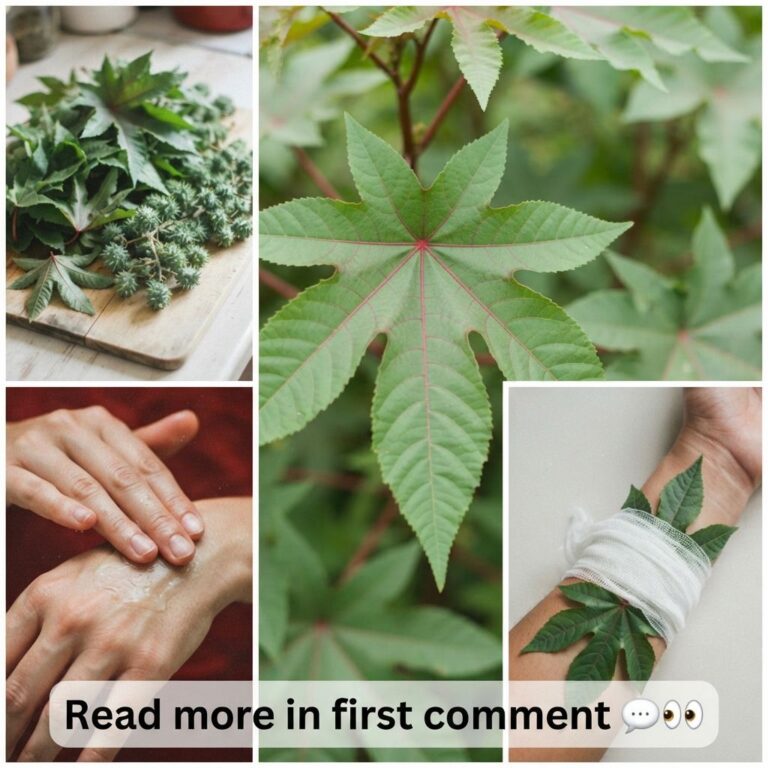
What It Is: The Power of Castor Leaves
The castor plant (Ricinus communis) is a striking, fast-growing shrub known for its large, palmate leaves that often feature dramatic red veins. While the plant’s seeds are highly toxic if ingested and are processed to create castor oil, the leaves themselves have a long history of external use as a poultice or compress in various folk traditions. They are primarily valued for their soothing and comforting properties when applied to the skin.
Ingredients You’ll Need
Creating your own castor leaf compress is incredibly simple, requiring minimal ingredients:
- 3-5 large, fresh castor leaves (ensure they are healthy and free from pests or damage)
- Clean water (for washing and warming)
- A clean cloth or bandage (for securing the compress)
- Optional: A light, natural oil (like olive or coconut oil) for post-application skin care
Approximate Measurements
The quantity of leaves can vary depending on the size of the area you wish to cover. For a localized compress on a joint or a small area of skin, 3-5 large leaves are usually sufficient. Adjust as needed for larger applications.
Formula / Recipe: The Warming Castor Leaf Compress
This method focuses on warming the leaves to enhance their natural properties before application.
Step-by-Step Method
- Harvest and Clean: Carefully select 3-5 healthy, mature castor leaves from your plant. Avoid any that are yellowing, damaged, or show signs of disease. Gently wash the leaves under cool running water to remove any dirt, dust, or small insects. Pat them dry with a clean cloth.
- Prepare for Warming: You have a few options for warming the leaves:
- Steam Method: Place the leaves in a steamer basket over simmering water for 1-2 minutes until they are pliable and warm, but not cooked.
- Warm Water Method: Dip the leaves into a bowl of warm (not boiling) water for a few moments until they become soft and warm to the touch.
- Warm Iron Method: Place a clean cloth over the leaves and gently press with a warm iron (low to medium heat) for a few seconds.
- Crush (Optional): For an enhanced effect, you can gently bruise or lightly crush the warmed leaves to help release their natural compounds. You can do this with a rolling pin or by gently tearing them.
- Apply the Compress: While the leaves are still warm (but not hot enough to burn your skin), place them directly onto the desired area of the skin.
- Secure in Place: Cover the leaves with a clean cloth, bandage, or even plastic wrap (to retain moisture and warmth). Secure it gently but firmly, ensuring the leaves stay in contact with the skin.
How to Use Your Castor Leaf Compress
A castor leaf compress is traditionally used for soothing various minor external discomforts. Apply it to areas needing comfort or to soothe skin. Remember, this is for external, intact skin only. The warmth combined with the natural properties of the leaves provides a comforting sensation.
How Often to Use
You can apply a castor leaf compress 1-2 times a day, or as needed, for short periods. Each application can last anywhere from 30 minutes to a few hours. Listen to your body and discontinue use if any irritation occurs.
How to Buy / How to Choose Ingredients
The best way to ensure fresh, organic castor leaves is to grow your own plant. Castor plants are easy to grow in warm climates and can be identified by their distinctive star-shaped leaves and sometimes reddish stems. If harvesting from the wild, be absolutely certain of your identification and ensure the plant has not been sprayed with pesticides or grown near polluted areas. Always opt for healthy, undamaged leaves.
You may also like: DIY Herbal Salve for Dry Skin: A Step-by-Step Guide
Storage
Fresh castor leaves are best used immediately after harvesting. If you need to store them briefly, wrap them loosely in a damp paper towel and place them in a plastic bag in the refrigerator’s crisper drawer for up to 2-3 days. They lose their potency quickly, so fresh is always preferred.
Quick Tip: Fresh vs. Dried Leaves
| Feature | Fresh Castor Leaves | Dried Castor Leaves |
|---|---|---|
| Potency | Highest, compounds are active | Reduced, some compounds lost |
| Texture | Pliable, conforms to skin | Brittle, may crumble |
| Preparation | Easy to warm and apply | May need rehydration; less effective for compress |
| Recommendation | Highly Recommended for compresses | Not ideal for topical compresses |
Practical Tips
- Patch Test: Always apply a small piece of warmed leaf to a discreet area of your skin first to check for any sensitivity or allergic reaction.
- Maintain Warmth: Keeping the compress warm can enhance its comforting effect. You can re-warm the leaves gently or use a warm towel over the secured compress.
- Clean Skin: Ensure the skin area where you apply the compress is clean and dry for best results.
Common Mistakes
- Using the Seeds: This is the most crucial mistake to avoid. Castor seeds are highly toxic. Only use the leaves for external applications.
- Applying to Broken Skin: Never use a castor leaf compress on open wounds, cuts, or severely irritated skin.
- Using Cold Leaves: The warming step is important; cold leaves will be less effective and less comforting.
- Misidentification: Ensure you have correctly identified the castor plant. There are many plants with similar-looking leaves.
- Leaving it on Too Long: While generally safe for external use, prolonged contact without breaks can sometimes lead to skin sensitivity in some individuals.
Cautions / Who Should Avoid It
While castor leaves are traditionally used externally, it’s vital to exercise caution:
- EXTERNAL USE ONLY: Castor plant parts, especially the seeds, are highly toxic if ingested. Keep leaves and plants away from children and pets. Do not ever consume castor leaves or any part of the raw plant.
- Pregnant or Nursing: If you are pregnant or nursing, consult with a healthcare professional before using any herbal remedies, including castor leaf compresses.
- Allergies: If you have known allergies to plants in the Euphorbiaceae family, or generally sensitive skin, perform a patch test first. Discontinue use if irritation, redness, or itching occurs.
- Broken Skin: Do not apply to open wounds, cuts, or broken skin.
Read more: Your Essential Guide to Safe Herbal Harvesting
Quick Summary
The castor leaf compress is a simple, external remedy for soothing minor skin discomforts. Harvest fresh, clean leaves, warm them gently, and apply to intact skin for 30 minutes to a few hours. Always patch test and avoid ingestion of any part of the castor plant due to toxicity, especially the seeds. This garden ‘gold’ is for external, comforting use only.
FAQ
- Can I use dried castor leaves for a compress?
While technically possible, fresh leaves are significantly more effective due to their moisture content and active compounds. Dried leaves may not provide the same pliability or benefit. - How long should I leave the castor leaf compress on?
You can leave it on for 30 minutes to a few hours. Some people even leave it overnight, but always check for skin sensitivity if you do. - Is castor oil interchangeable with castor leaves for compresses?
No, they are different. Castor oil, extracted from the seeds, has its own set of uses. Castor leaves are used directly for their topical soothing properties, offering a different profile than the oil. - Can I apply a castor leaf compress to children?
Due to the toxicity of the castor plant and potential skin sensitivities, it’s best to consult a pediatrician before using on children. - What part of the castor plant should I absolutely avoid?
The seeds are highly toxic due to the presence of ricin. Never ingest the seeds or use them for any remedy. - How do I know I have a true castor plant?
Look for large, palmate (hand-shaped) leaves, often with distinctive reddish stems and veins. The seed pods are spiky. If uncertain, consult a local plant expert or avoid use. - Can I use it if I have sensitive skin?
Always perform a small patch test on an inconspicuous area of skin (like the inner forearm) and wait 24 hours to check for any adverse reactions before applying more broadly.
Conclusion
The castor plant truly is a hidden gem in the garden, particularly its leaves, which offer a simple, natural way to create a comforting compress. By understanding its correct application and, more importantly, its safety precautions, you can harness this plant’s gentle power for external soothing. Don’t let this botanical gold go to waste – learn to use it wisely, and it might just become your next go-to remedy from nature.