Is Your Garden Struggling? Uncover Common Watering Mistakes Sabotaging Plant Health!
Every gardener, from beginner to seasoned expert, dreams of lush, vibrant plants. But sometimes, despite our best efforts, our green friends just don’t seem to thrive. Often, the culprit isn’t a mysterious disease or a lack of sunlight, but something far more fundamental: incorrect watering. It’s easy to assume watering is simple, but subtle mistakes can secretly sabotage your plants’ health and leave your garden looking less than its best.
Don’t worry, you’re not alone! Many gardeners face challenges with plant health, and improper watering is one of the most common reasons plants struggle or even die. But the good news is, once you understand these mistakes, you can easily correct them and watch your garden transform into a thriving oasis.
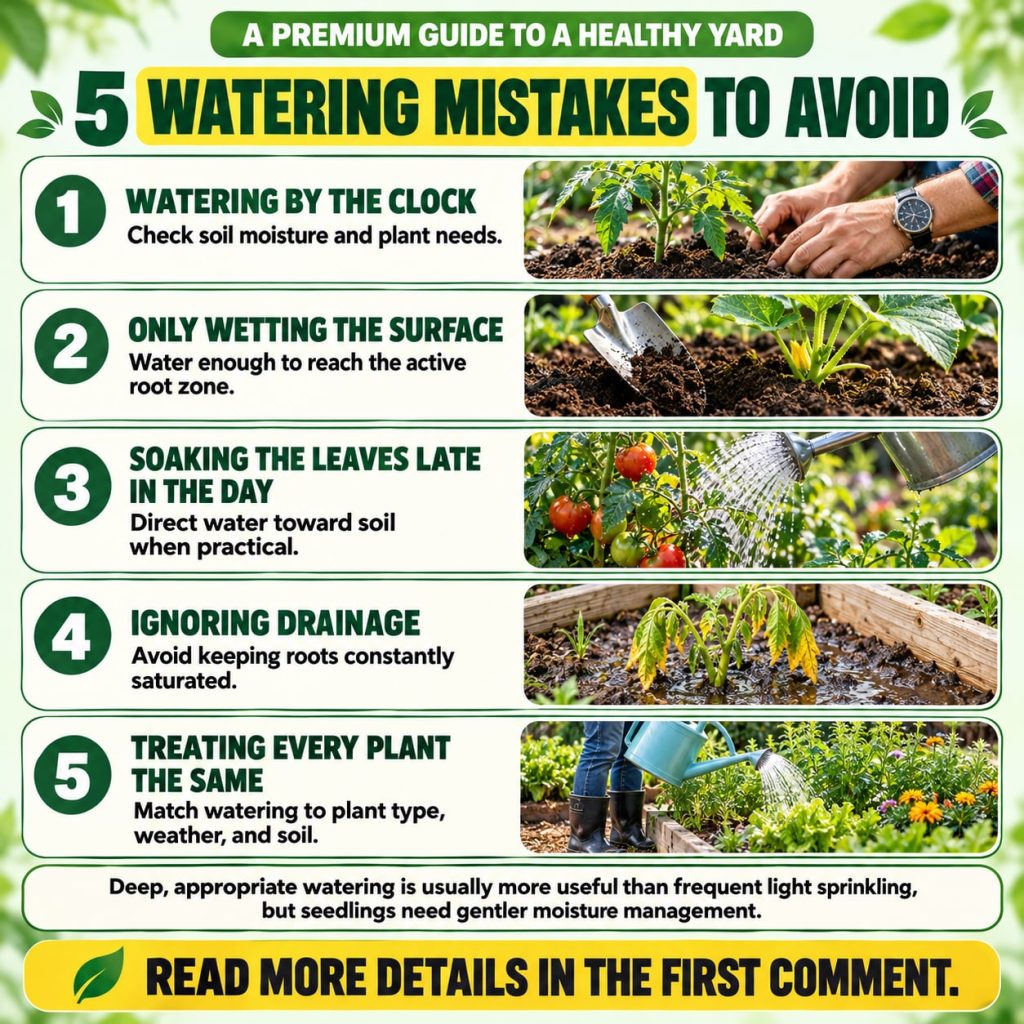
The Silent Saboteurs: Common Watering Mistakes
Let’s dive into the most frequent watering errors that might be holding your plants back and how to fix them.
1. Overwatering: The Root of All Evil
It sounds counterintuitive, but too much love can kill your plants faster than too little. Overwatering suffocates roots by displacing air in the soil, leading to root rot. Signs include yellowing leaves (especially lower ones), soft mushy stems, stunted growth, and a foul smell from the soil.
- Solution: Always check the soil moisture before watering. Stick your finger about an inch or two into the soil. If it feels damp, wait. If it’s dry, it’s time to water. Ensure your pots have drainage holes, and empty saucers after watering.
2. Underwatering: Thirsty and Stressed
While less common than overwatering for beginners, underwatering can also lead to stressed-out plants. Leaves will wilt, turn crispy and brown (often starting at the edges), and may even drop off. The soil will be noticeably dry and possibly cracked.
- Solution: When the soil is dry to the touch, water thoroughly until water drains from the bottom of the pot. For plants in the ground, ensure the water penetrates deep into the root zone, not just the surface.
3. Inconsistent Watering: A Rollercoaster for Roots
Some gardeners alternate between periods of extreme dryness and sudden drenching. This erratic watering schedule stresses plants, making them more susceptible to pests and diseases, and can lead to issues like blossom end rot in tomatoes or fruit splitting.
- Solution: Aim for a consistent watering schedule tailored to your plant’s needs, factoring in weather and season. Regular checking of soil moisture is key to achieving this consistency.
4. Watering at the Wrong Time of Day
Watering in the middle of a hot, sunny day leads to rapid evaporation before the water can reach the roots. Watering in the late evening can leave foliage wet overnight, creating an ideal environment for fungal diseases.
- Solution: The best time to water is in the early morning. This allows the water to soak in before the sun gets too strong and gives foliage time to dry during the day, reducing disease risk.
5. Not Checking Soil Moisture
Relying solely on a schedule or guessing can be detrimental. What works one week might not work the next due to changes in weather, plant growth, or pot size.
- Solution: Get hands-on! Use your finger, a moisture meter, or even the weight of a potted plant to determine if it’s truly thirsty. Different plants and soil types have different drying rates.
6. Ignoring Plant-Specific Needs
Not all plants are created equal when it comes to water. A cactus has vastly different needs than a fern, for instance. Treating all plants the same is a recipe for disappointment.
- Solution: Research the specific watering requirements for each plant in your garden. Some prefer consistently moist soil, others like to dry out completely between waterings. Group plants with similar needs together.
7. Using the Wrong Water Type or Temperature
While tap water is generally fine, some plants are sensitive to chlorine or other chemicals. Extremely cold water can also shock warm-weather plants.
- Solution: If you suspect chlorine sensitivity, let tap water sit out for 24 hours to allow the chlorine to dissipate. For indoor plants, use room-temperature water. Collecting rainwater is also an excellent option.
Transform Your Garden: Water Wisely!
Mastering the art of watering is one of the most impactful things you can do for your garden’s health and beauty. By avoiding these common mistakes and paying closer attention to your plants’ individual needs and soil conditions, you’ll be well on your way to a thriving, vibrant garden you can be proud of.
Remember, gardening is a journey of learning and observation. Take the time to understand your plants, and they will reward you with abundant growth and beauty. What watering tips have transformed your garden? Share your wisdom in the comments below!