Unearthing Culinary Treasures: Discover the ‘Wild Edibles’ Your Grandparents Knew!
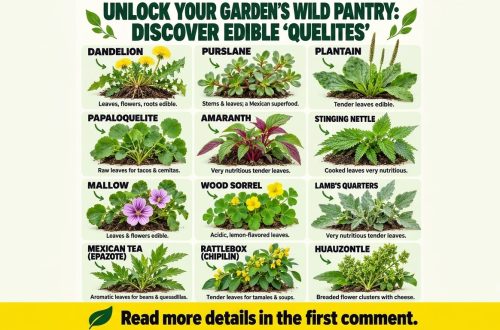
Imagine your garden not just as a place for cultivated plants, but as a secret pantry, brimming with nutritious and delicious greens that your ancestors knew and cherished. These overlooked culinary treasures, often called ‘quelites’ in many traditions, are edible wild plants that can add unique flavors and powerful nutrients to your meals. If you’ve ever walked past a dandelion or a patch of purslane and wondered if it was more than just a weed, you’re on the right track! Let’s explore how to identify these incredible wild edibles and bring a taste of tradition back to your table.

What Exactly Are ‘Wild Edibles’ (Quelites)?
Wild edibles are plants that grow naturally without cultivation and possess parts that are safe and tasty for human consumption. ‘Quelites’ is a term primarily used in Mexico and Central America, referring to various edible herbs and leafy greens that grow wild and have been a staple in diets for centuries. These aren’t just survival foods; they are flavorful additions that offer a spectrum of vitamins, minerals, and antioxidants often surpassing their cultivated counterparts.
Why Forage for Wild Greens in Your Own Garden?
- Nutritional Powerhouses: Many wild greens are packed with more vitamins (like A and C), minerals (iron, calcium), and beneficial compounds than store-bought vegetables.
- Free and Sustainable: They grow without effort, requiring no planting or tending from you, making them the ultimate sustainable food source.
- Unique Flavors: Wild edibles introduce new, exciting flavors and textures to your cooking that you won’t find at the grocery store.
- Connect with Nature: Foraging encourages a deeper connection to your local environment and the cycles of nature, much like our grandparents experienced.
Crucial Safety Rules for Foraging
Before you start gathering, remember this golden rule: When in doubt, throw it out!
- Positive Identification is Key: Never consume a plant unless you are 100% certain of its identity. Use multiple reliable field guides, cross-reference, and if possible, learn from an experienced forager.
- Know Your History: Be aware of the history of your foraging area. Avoid areas that may have been sprayed with pesticides, herbicides, or are near busy roads with heavy pollution.
- Harvest Responsibly: Only take what you need and leave plenty for the plant to recover and for wildlife. Never harvest all of a single plant in one spot.
- Allergy Awareness: Even common edible plants can cause allergic reactions in some individuals. Start with small amounts.
Common Wild Edibles You Might Find in Your Garden
Here are a few widespread wild edibles to start your foraging journey:
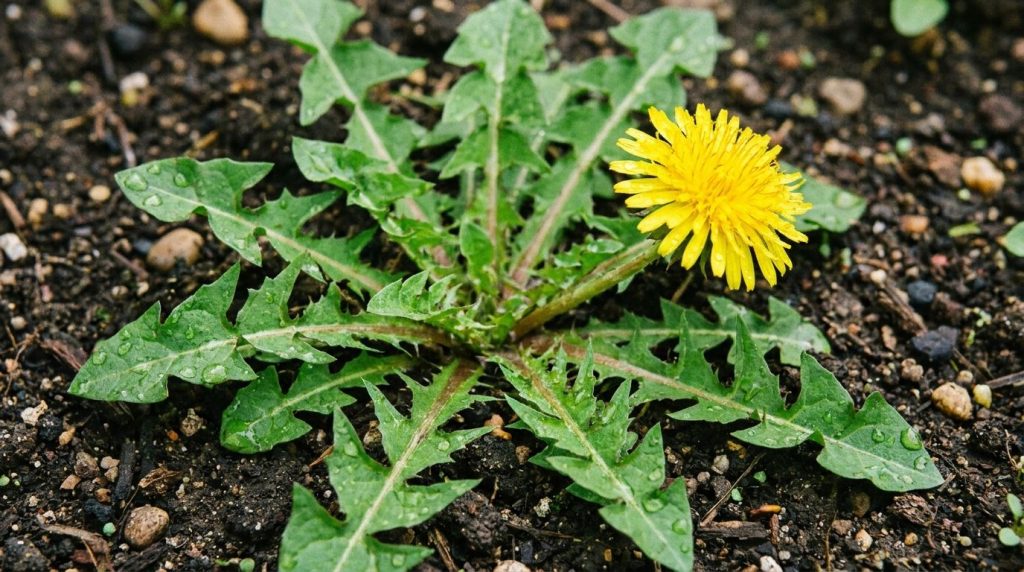
- Dandelion (Taraxacum officinale): The young leaves are excellent in salads, flowers can be used for wine or jelly, and the roasted roots make a coffee substitute.
- Purslane (Portulaca oleracea): This succulent has fleshy leaves and stems, rich in Omega-3 fatty acids. It’s delicious raw in salads or lightly steamed.
- Lamb’s Quarters (Chenopodium album): Often called wild spinach, its tender leaves taste similar to spinach and can be used in almost any recipe calling for greens.
- Chickweed (Stellaria media): With its delicate, bright green leaves and small white flowers, chickweed is lovely in salads, sandwiches, or as a garnish.
- Nettle (Urtica dioica): Handle with gloves! Once blanched or cooked, the stinging hairs are neutralized, and the leaves are incredibly nutritious, perfect for soups, teas, or sautéed like spinach.
How to Confidently Identify Wild Edibles
Precise identification is paramount. Here’s a basic approach:
- Use a Trustworthy Field Guide: Invest in a local foraging guide specific to your region.
- Examine All Parts: Look at the leaves (shape, margins, veins), stems, flowers, and even the roots if necessary.
- Smell Test: Some plants have distinct aromas that can help with identification.
- Growth Habit: Observe how the plant grows – sprawling, upright, clustered, etc.
- Avoid Look-alikes: Be aware of poisonous plants that resemble edible ones. For example, poisonous hemlock can be mistaken for wild carrot or parsley.
Harvesting and Preparation Tips
When you’ve positively identified your wild greens:
- Harvest Young: Younger leaves are typically more tender and less bitter.
- Clean Thoroughly: Wash your harvest in cold water, especially if it came from the ground.
- Taste Test: Try a small piece raw (if safe to do so) to understand its flavor profile.
- Cooking Versatility: Most wild greens can be used interchangeably with spinach, kale, or other leafy greens in your favorite recipes – from stir-fries and omelets to pestos and green smoothies.
Embracing wild edibles from your garden is a wonderful way to connect with the past, enrich your diet, and enjoy the bounty of nature right outside your door. It’s an adventure that promises delicious discoveries and a healthier, more sustainable lifestyle.
Have you found any wild edibles in your garden? Share your discoveries and favorite ways to prepare them in the comments below!